History worth keeping. Today’s questions. Tomorrow’s possibilities. Explore all 1477 source-linked stories: 1384 current reads and 93 clearly labeled archive or correction records.
A death register, later recollections and a documented excavation preserve different kinds of evidence. Reading their limits keeps an enslaved woman’s life from becoming an invented battlefield scene.
A complaint can request a safety review; it is not itself an inspection finding. Workers and employers need different official routes and must preserve the actual worksite facts.
Prescribed fire is a planned land-management tool, not permission to burn on any day. Weather, smoke, personnel, equipment and local restrictions remain separate checks.
A crib, portable play yard and caregiver handoff are only useful when the same current guidance follows the baby. Families should keep health and eligibility details private while using official support.
A score, replay or player's appearance cannot clear an athlete. Teams need a documented removal and qualified return process while keeping medical information private.
A coverage map, provider advertisement, serviceability check and completed installation answer different questions. Keeping them separate makes a useful public record without publishing a household's account.
Permits, construction records, inspections and water tests answer different questions. This guide organizes the evidence without replacing a health department, licensed professional or laboratory.
Construction records, aquifer context, sample collection and laboratory reports answer different questions. One result cannot describe every well or diagnose a household.
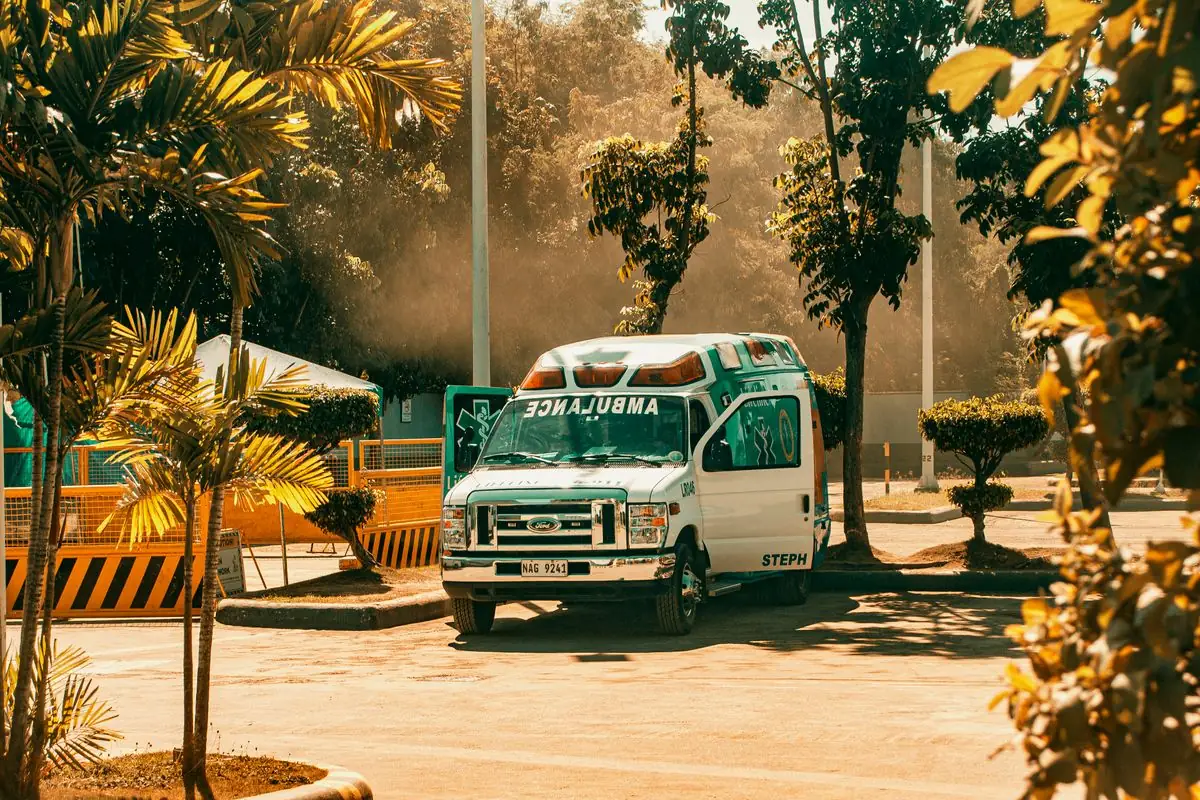
Road naming, site location, dispatch validation and public posting belong to different authorities. A safe correction keeps the private response record out of public view.
The proposed budget, hearing notice, appropriation, meeting minutes and later audit answer different questions. Reading them in sequence keeps plans separate from actual results.
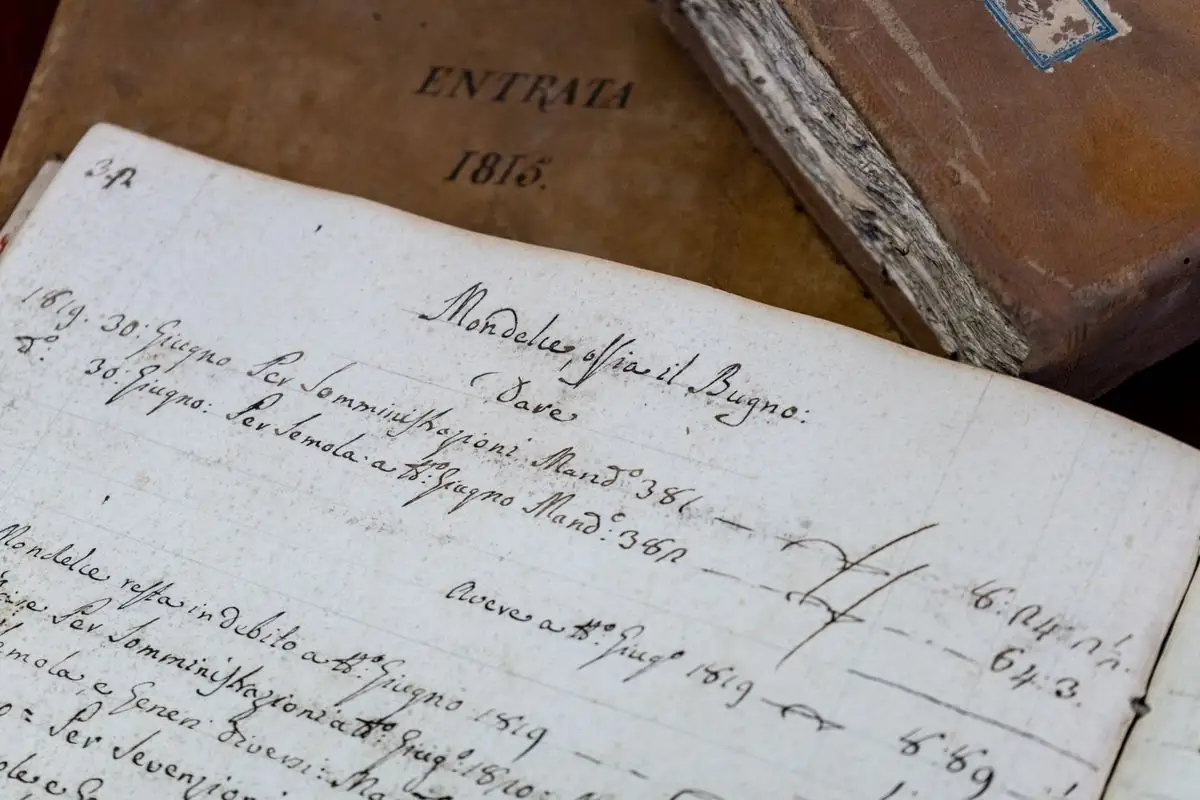
National Register forms, state survey files, maps and local records answer different questions. This guide shows how to build a place history without turning one designation into a complete story.