
Service guide Food · Nation
Give that winter squash a place on the supper plan
A hard rind buys time, but a cooking plan turns a squash on the counter into food on the table.
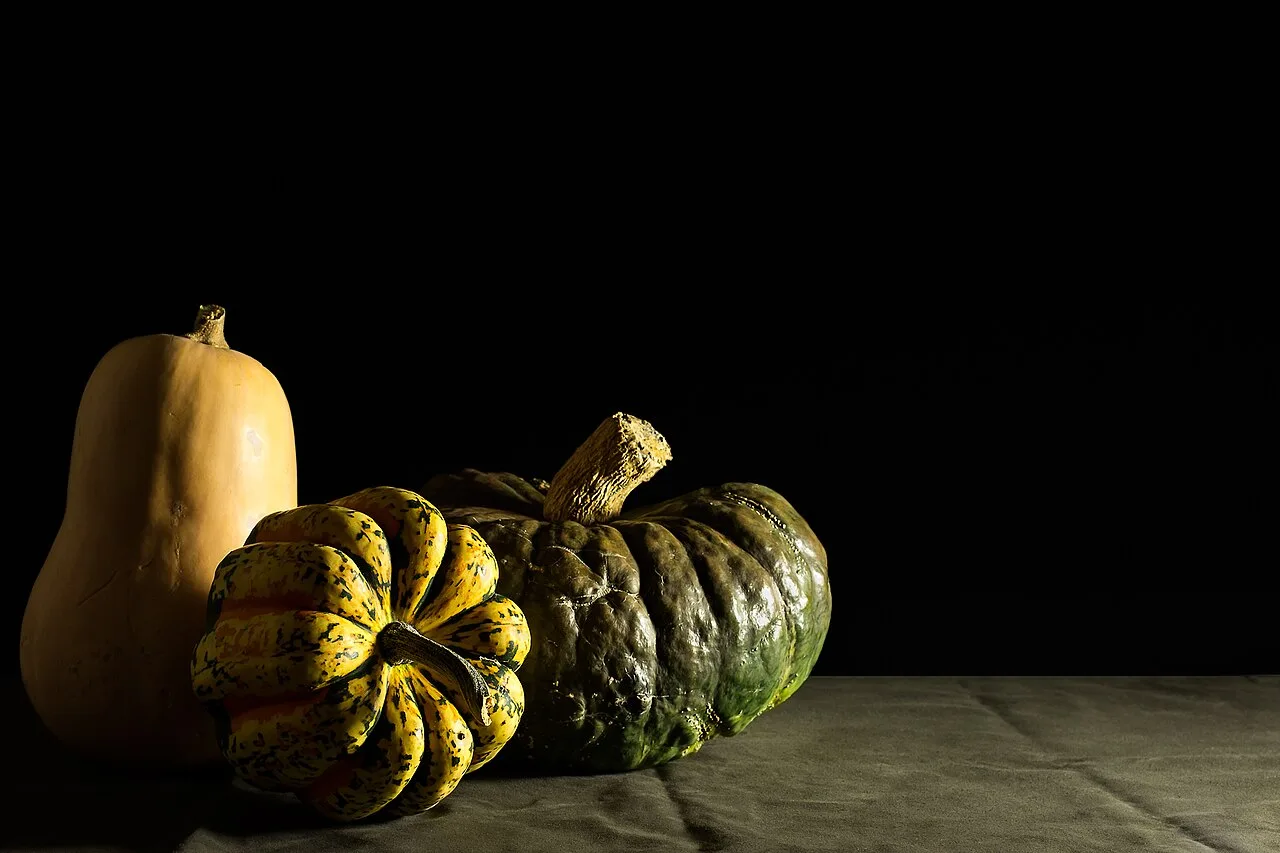
Image provenance · CIE 100/100
Assessment applies to the credited image record and its editorial context. Image delivery and the pictured event’s current status are not certified by a score. Receipt: 3f461cfa-3b36-4939-a777-dd1806aee0df
Image & publication standards →At a glance
- Handle whole squash gently and check it during storage.
- Roast manageable pieces until fork-tender.
- Freeze cooked portions you will not use promptly.
In this story
Decide when you will cook it
A winter squash can sit in the kitchen long enough to become part of the scenery. Give it a job before that happens.
Choose a meal, find a recipe suited to the variety and decide whether you need the whole squash at once.
Storage life differs among types and depends on conditions. Oregon State University Extension describes acorn squash as a shorter keeper than several larger winter types.
Its storage guidance calls for good air circulation and roughly 50–55°F for cured squash and pumpkins.
A kitchen counter or garage may not hold that temperature. Treat published storage ranges as conditional guidance, and inspect stored squash regularly.
Handle it gently: bruising and other damage can shorten the time you have to use it.
Let the oven do some of the work
Wash the squash under cool running water before cutting, as Purdue Extension recommends. Use a stable cutting surface and a method you can handle comfortably.
Remove seeds and stringy material from cut pieces.
University of Illinois Extension describes baking unpeeled pieces, cut side down, in a shallow dish at 350°F for at least 30 minutes, continuing until the flesh is tender when pierced. Size and variety affect the time.
Once the squash is manageable, scoop the cooked flesh from the rind.
That approach lets you use cooked flesh in a recipe without peeling the whole raw squash first. Keep the preparation plain if you want to divide it between different dishes.
Choose a second use before serving the first
Try a portion beside supper and reserve another for a recipe that calls for mashed squash. Purdue's FoodLink offers ideas including squash with black beans and an autumn squash bisque.
Open the full recipe for quantities and instructions instead of treating a dish name as a recipe.
Illinois Extension notes that cooked squash freezes well. Use freezer containers or bags, leave the recommended half-inch headspace and label portions with the date and contents.
Cool and refrigerate leftovers promptly under USDA's standard guidance; do not leave a tray out for an afternoon.
For home canning, mashed squash has a separate problem: its density prevents dependable heat penetration. Illinois advises against canning mashed squash and points to tested directions for eligible cubed squash.
Freezing is the practical route for a homemade puree.
Write the intended next dish on the container. A portion marked “squash for soup” is more likely to return to the table than an anonymous orange block at the back of the freezer.
Cultural & community review
Assessment passed This recorded version passed its cultural and community assessment.
- Reviews the cultural and community context of this editorial item.
- Source, rights and publisher checks remain separate.
- It does not score people or certify every fact.
Read the assessment record & limits
- This record applies to the identified content revision. Later changes require another assessment.
- Asset
- gj:article:winter-squash-cook-store-plan
- Engine
- ct.algorithm.cie.v1 · 1.0.1
- Receipt
- 517c39c3-c621-46bb-9cd9-31c7a60e54c4
- Assessed
- Revision
- sha256-d7abd82051d42db1513ed2e37a9b749f8d61031793b9ecddfa0c1f4ed016f5d0
- Record state
- eligible · PASS
- Binding
- BOUND
Sources & verification
Published August 2023; reviewed 2025. Checked September 7, 2026. Kym Pokorny’s guidance on careful handling, storage conditions and differing keeping times.
Read the sourceUndated guidance. Checked September 7, 2026. Baking pieces, freezing cooked squash and limitations on home canning puree.
Read the sourceUndated guidance. Checked September 7, 2026. Washing before preparation and links to complete squash recipes; no local availability claim.
Read the sourceUndated guidance. Checked September 7, 2026. Prompt refrigeration of perishable cooked food in shallow containers; official indexed guidance checked.
Read the sourceThis article was written with AI assistance from the linked sources. No firsthand interview or visit is implied. Source dates and limits are identified in the reporting. Advertising does not determine editorial coverage. Request a correction or read our standards.
EVERY NEIGHBOR HAS A VOICE
Keep the conversation going.
Share experiences, ask questions and link evidence for factual claims. Automated checks assess each version; posts that pass publish immediately with their CIE score and reasons. Comments are independent community discussion, not submissions to a government body.
Sign in to join · freeCommunity standards