
News brief World · World
Malaria prevention is saving lives while global cases remain high
WHO’s 2025 report documents both the value of prevention tools and the pressure from drug resistance.
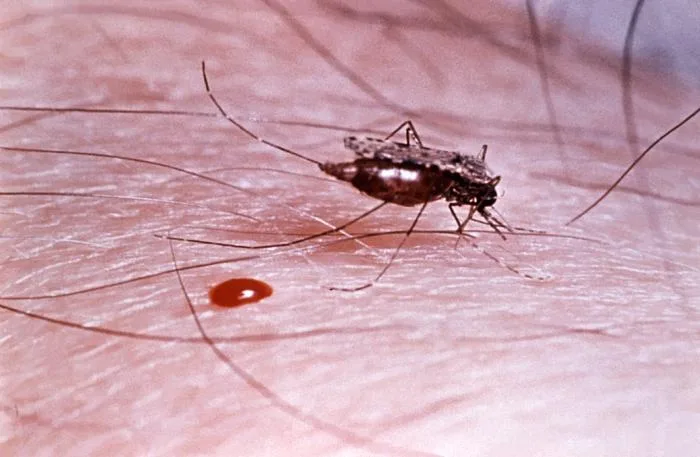
Image provenance · CIE 100/100
Assessment applies to the credited image record and its editorial context. Image delivery and the pictured event’s current status are not certified by a score. Receipt: 1762a083-3f39-4d21-9033-5166035b55e4
Image & publication standards →At a glance
- WHO estimated 282 million cases worldwide in 2024.
- Its report also estimated that interventions prevented a million deaths that year.
- Global totals describe a different question from a traveler’s destination-specific risk.
In this story
Two findings belong together
The World Health Organization estimated 282 million malaria cases and 610,000 deaths worldwide in 2024 in its report released December 4, 2025. Cases were roughly nine million higher than in the preceding year.
The same assessment estimated that malaria interventions prevented 170 million cases and one million deaths in 2024. Those findings can coexist: prevention can avert a substantial burden while transmission and other pressures still produce a large number of infections.
WHO highlighted growing resistance to antimalarial medicines. Its release said resistance was confirmed or suspected in at least eight African countries, while improved mosquito nets, vaccination and preventive treatment were expanding the available defenses.
What the figures mean for readers
Malaria is caused by parasites and spreads mainly through bites from infected female Anopheles mosquitoes, according to WHO’s fact sheet. Prevention and treatment choices depend on the setting, including the parasites and mosquitoes present.
For Gretna readers following overseas aid, mission work or travel, the report supplies global context. Its 2024 totals should not be described as a count of infections occurring in September 2026, and they do not measure the risk in a particular Virginia neighborhood.
Anyone planning travel to a malaria-affected destination should discuss the itinerary with a qualified health professional before departure. The useful questions concern the actual destination, travel dates and suitable prevention, rather than whether the worldwide total rose or fell.
Cultural & community review
Assessment passed This recorded version passed its cultural and community assessment.
- Reviews the cultural and community context of this editorial item.
- Source, rights and publisher checks remain separate.
- It does not score people or certify every fact.
Read the assessment record & limits
- This record applies to the identified content revision. Later changes require another assessment.
- Asset
- gj:article:who-malaria-report-prevention-resistance
- Engine
- ct.algorithm.cie.v1 · 1.0.1
- Receipt
- 78e17d8b-159f-4bc5-b0ad-04e79ca64a8f
- Assessed
- Revision
- sha256-4789e9139fd8e4fd86f5a8e8eaddf641180775b9cd3e8a77b9cd1bced3b7acdf
- Record state
- eligible · PASS
- Binding
- BOUND
Sources & verification
December 4, 2025; checked September 7, 2026. Report findings refer to 2024; not a 2026 case tally.
Read the sourceDecember 4, 2025; checked September 7, 2026. Transmission, prevention and treatment background.
Read the sourceThis article was written with AI assistance from the linked sources. No firsthand interview or visit is implied. Source dates and limits are identified in the reporting. Advertising does not determine editorial coverage. Request a correction or read our standards.
EVERY NEIGHBOR HAS A VOICE
Keep the conversation going.
Share experiences, ask questions and link evidence for factual claims. Automated checks assess each version; posts that pass publish immediately with their CIE score and reasons. Comments are independent community discussion, not submissions to a government body.
Sign in to join · freeCommunity standards