Feature Food · Nation
A pot of soup can do more than feed tonight
Plan the portions, cooling and freezer space before cooking, and a September supper can help with a busier evening later.
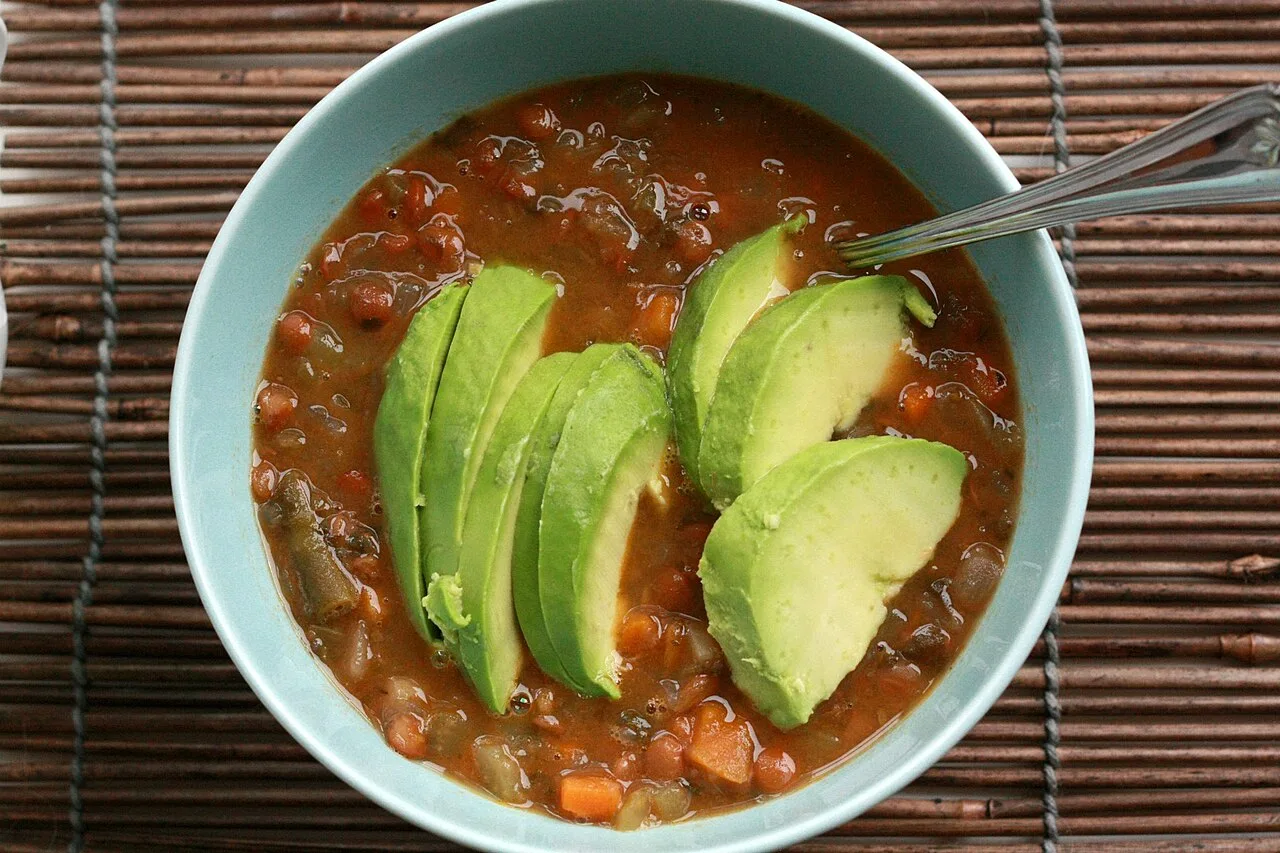
Image provenance · CIE 100/100
Assessment applies to the credited image record and its editorial context. Image delivery and the pictured event’s current status are not certified by a score. Receipt: 9d1c9d9d-5b16-4e3f-83b1-1dc48c4c1fcd
Image & publication standards →At a glance
- Choose a familiar soup and decide how many meals it should cover.
- Cool leftovers promptly in shallow containers and label portions.
- Reheat safely; a freezer recipe is not automatically a canning recipe.
In this story
Start with the evening you want to make easier
The most useful pot of soup begins with a future evening in mind. Perhaps it is the night everyone arrives home at different times, or the day a long appointment leaves little time to cook.
Decide which meal you want to help before doubling the ingredients.
For a Gretna household moving from summer's loose schedule into September routines, that is a manageable project: one familiar recipe, a few portions and a clear place to put them. There is no need to turn the weekend into a production line.
University of Illinois Extension's Eat.Move.Save. program identifies soups, stews and casseroles as useful freezer meals and suggests making extra portions while you are already cooking. The idea works best when the extra food has an intended use.
Four servings for one supper and two individual lunches require different containers.
Write down that division before you begin. Check that the containers and lids match, that a shelf is available and that the recipe makes the amount you expect.
A full pot is much easier to manage when the next steps are ready.
Keep the first batch familiar
Use a recipe your household already likes, with ingredients and preparation you understand. If you want a new soup, make an ordinary batch first.
You can decide whether it deserves freezer space after you know how it fits the way you eat.
Read the complete instructions before shopping. A recipe may call for beans already cooked, stock already prepared or meat cooked separately.
Those starting conditions affect the work you need to do. Write the missing preparation onto your plan instead of discovering it with a pot on the stove.
Keep the serving plan equally simple. Bread, a sandwich or another usual accompaniment can complete the meal without requiring a second cooking project.
If different people will finish their bowls differently, keep their preferred toppings separate.
Set aside a preparation day that fits your week. Include the clearing-up and cooling period in that time.
Cooking is only one part of making a meal that will be useful later.
Make cooling part of the recipe
USDA advises refrigerating perishable leftovers within two hours, or one hour when the surrounding temperature is above 90°F. Divide a large quantity into shallow containers so it cools quickly.
Hot food can go directly into the refrigerator; do not leave a stockpot on the counter waiting for room temperature.
A large pot holds heat differently from several small portions. Set out suitable containers before serving so you can put the extra food away promptly.
Keep the refrigerator at 40°F or below and avoid a plan that depends on finding space after supper.
Label the food when you package it. Include the soup's name, the cooking date and the portion size.
If a container still needs a final ingredient at serving, put that instruction on the label too. The person reheating it may not be the person who cooked.
University of Minnesota Extension lists three to four days of refrigerator storage for vegetable or meat soups and stews. Decide which portions fit that window and freeze the rest while they are still within safe storage time.
The freezer should be part of the plan, not a rescue for food whose history is uncertain.
Choose containers that fit the meal
University of Minnesota Extension recommends packaging designed for freezing, tight seals and space for liquids to expand. Suitable choices include freezer bags and rigid containers intended for that use.
Follow the container's guidance, especially with glass; an ordinary jar is not automatically a freezer container.
Portion the soup for the way you will serve it. A single lunch should be easy to take out without thawing a family-size block.
Keep the label where it will remain visible once the container is stacked.
Maintain the freezer at 0°F or below. Minnesota's storage chart gives soups and stews a two- to three-month freezer window for quality.
Put a reminder on your meal plan and use older portions first.
A short freezer list can be as simple as the soup name and a row of boxes to cross off. Keep it where you decide what to eat.
The list has done its job when you choose a prepared meal before making an unnecessary shopping trip.
Finish safely, and keep canning separate
Thaw soup in the refrigerator or reheat it from frozen using an appropriate stovetop or microwave method. USDA says leftovers should reach 165°F; soups, sauces and gravies should be brought to a rolling boil.
Stir for even heating and check with a food thermometer, especially when ingredients heat unevenly.
Freezer preparation does not establish that the same recipe can be put in jars for shelf storage. The National Center for Home Food Preservation's soup directions require pressure canning and exclude pasta, rice, flour, cream, milk and other thickeners.
They also limit ingredients to foods with established canning recommendations.
If you want canned soup, start with those complete tested directions. For the familiar soup you are making for supper, a labeled freezer portion is the straightforward way to save a meal for later.
After using the first container, note whether its portion size worked. Adjust the next batch accordingly.
The routine becomes valuable through those small decisions: enough food, a clear label and an evening with one less job waiting.
Cultural & community review
Assessment passed This recorded version passed its cultural and community assessment.
- Reviews the cultural and community context of this editorial item.
- Source, rights and publisher checks remain separate.
- It does not score people or certify every fact.
Read the assessment record & limits
- This record applies to the identified content revision. Later changes require another assessment.
- Asset
- gj:article:september-soup-freezer-workflow
- Engine
- ct.algorithm.cie.v1 · 1.0.1
- Receipt
- c8c08380-8822-4e44-99c0-9d9604d533b6
- Assessed
- Revision
- sha256-0911afafe0313057944684d7aea94be498b56b6497257ace4ed4f80a62065d9d
- Record state
- eligible · PASS
- Binding
- BOUND
Sources & verification
Undated guidance. Checked September 7, 2026. Planning and extra portions of freezer-suitable meals.
Read the sourceJuly 31, 2020. Checked September 7, 2026. Two-hour cooling rule, shallow containers, direct refrigeration of hot food, thawing and reheating. Official indexed guidance checked; direct retrieval restricted.
Read the sourceReviewed 2021. Checked September 7, 2026. Soups and stews: three to four refrigerated days and two to three frozen months; freezer periods are quality guidance.
Read the sourceUndated current guidance. Checked September 7, 2026. Freezer packaging, expansion space, temperature and portioning principles.
Read the sourceAdapted from USDA Complete Guide to Home Canning, revised 2009. Checked September 7, 2026. Pressure-canning recipe restrictions; included to distinguish tested canning from ordinary cooking and freezing.
Read the sourceUndated current guidance. Checked September 7, 2026. Readable corroboration of USDA cooling, frozen-soup reheating and 165°F/rolling-boil advice.
Read the sourceThis article was written with AI assistance from the linked sources. No firsthand interview or visit is implied. Source dates and limits are identified in the reporting. Advertising does not determine editorial coverage. Request a correction or read our standards.
EVERY NEIGHBOR HAS A VOICE
Keep the conversation going.
Share experiences, ask questions and link evidence for factual claims. Automated checks assess each version; posts that pass publish immediately with their CIE score and reasons. Comments are independent community discussion, not submissions to a government body.
Sign in to join · freeCommunity standards