History Life · Virginia
Read Roanoke through its rail museum and Gainsboro’s Henry Street
Locomotives and a historic Black commercial district reveal different parts of the city’s working and cultural life.
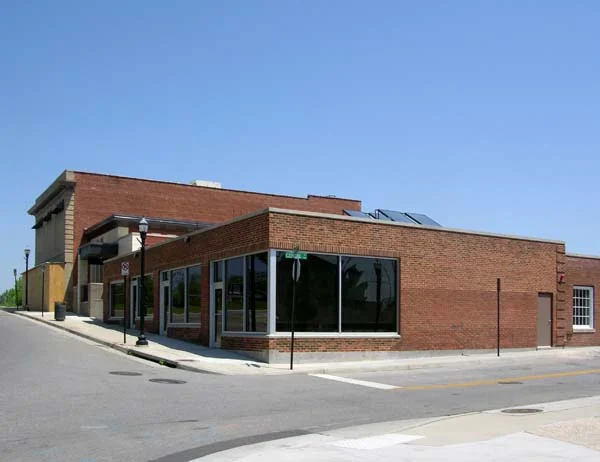
Image provenance · CIE 100/100
Assessment applies to the credited image record and its editorial context. Image delivery and the pictured event’s current status are not certified by a score. Receipt: 09e2df0f-aa24-48e7-87b4-407bd5eab4e8
Image & publication standards →In this story
A city shaped by rail
Roanoke’s transportation history is easy to recognize in a locomotive, but a fuller visit also makes room for the neighborhoods where residents built businesses and cultural institutions. Two useful starting points are the Virginia Museum of Transportation and the surviving Henry Street Historic District in Gainsboro.
Each preserves a different kind of evidence about the city.
The transportation museum occupies a former downtown freight station and has collected the Commonwealth’s transportation history since 1963. Its collection includes steam, diesel, and electric locomotives.
Norfolk and Western Class J No. 611 is particularly connected to place: the railway built it at Roanoke’s East End Shops in 1950. The museum explains its streamlined form as part of the effort to demonstrate steam power’s capabilities while diesel locomotives were becoming more prominent.
Henry Street and Gainsboro
No. 611 is also a traveling exhibit. The museum specifically asks visitors to inquire about its location before arriving, so a trip should not depend on assuming that the locomotive will be in the railyard on a particular day.
The broader collection offers a way to examine how transportation technology and railway work changed across time.
Henry Street, also known as First Street, was the commercial and entertainment center of Gainsboro’s African American community during the first half of the twentieth century. Virginia DHR identifies surviving buildings including the 1917 Hotel Dumas, the 1923 Strand Theatre, and the office of Dr. Lylburn Downing, dating to about 1945.
These buildings help make Black business, professional life, and entertainment visible within the city’s architectural history.
Treat the two stops as complementary reading. At the museum, ask what a machine reveals about the people and infrastructure needed to operate it.
Along Henry Street, ask what surviving buildings show about the community that used them. The combination gives a regional day trip a stronger sense of Roanoke as a place where industrial and cultural histories developed together.
Cultural & community review
Assessment passed This recorded version passed its cultural and community assessment.
- Reviews the cultural and community context of this editorial item.
- Source, rights and publisher checks remain separate.
- It does not score people or certify every fact.
Read the assessment record & limits
- This record applies to the identified content revision. Later changes require another assessment.
- Asset
- gj:article:roanoke-railroad-gainsboro-history
- Engine
- ct.algorithm.cie.v1 · 1.0.1
- Receipt
- b6fb68d9-1856-4bb1-9076-5226b9587c86
- Assessed
- Revision
- sha256-7b759ed5725b3ce6bef7c2435817885daf6d9edd703dba7691f24a5e0f3badff
- Record state
- eligible · PASS
- Binding
- BOUND
Sources & verification
Museum setting, collecting since 1963, collection categories
Read the sourceBuilt in Roanoke 1950, streamlined design
Read the sourceLocomotive travels; inquire before visiting
Read the sourceBlack commercial and entertainment history, buildings and dates
Read the sourceThis article was written with AI assistance from the linked sources. No firsthand interview or visit is implied. Source dates and limits are identified in the reporting. Advertising does not determine editorial coverage. Request a correction or read our standards.
EVERY NEIGHBOR HAS A VOICE
Keep the conversation going.
Share experiences, ask questions and link evidence for factual claims. Automated checks assess each version; posts that pass publish immediately with their CIE score and reasons. Comments are independent community discussion, not submissions to a government body.
Sign in to join · freeCommunity standards