
Feature People · Virginia
At Red Hill, Quarter Place brings more of the people into the story
A trail, cemetery and archaeological research help visitors understand the enslaved and free Black community at Patrick Henry’s last home.
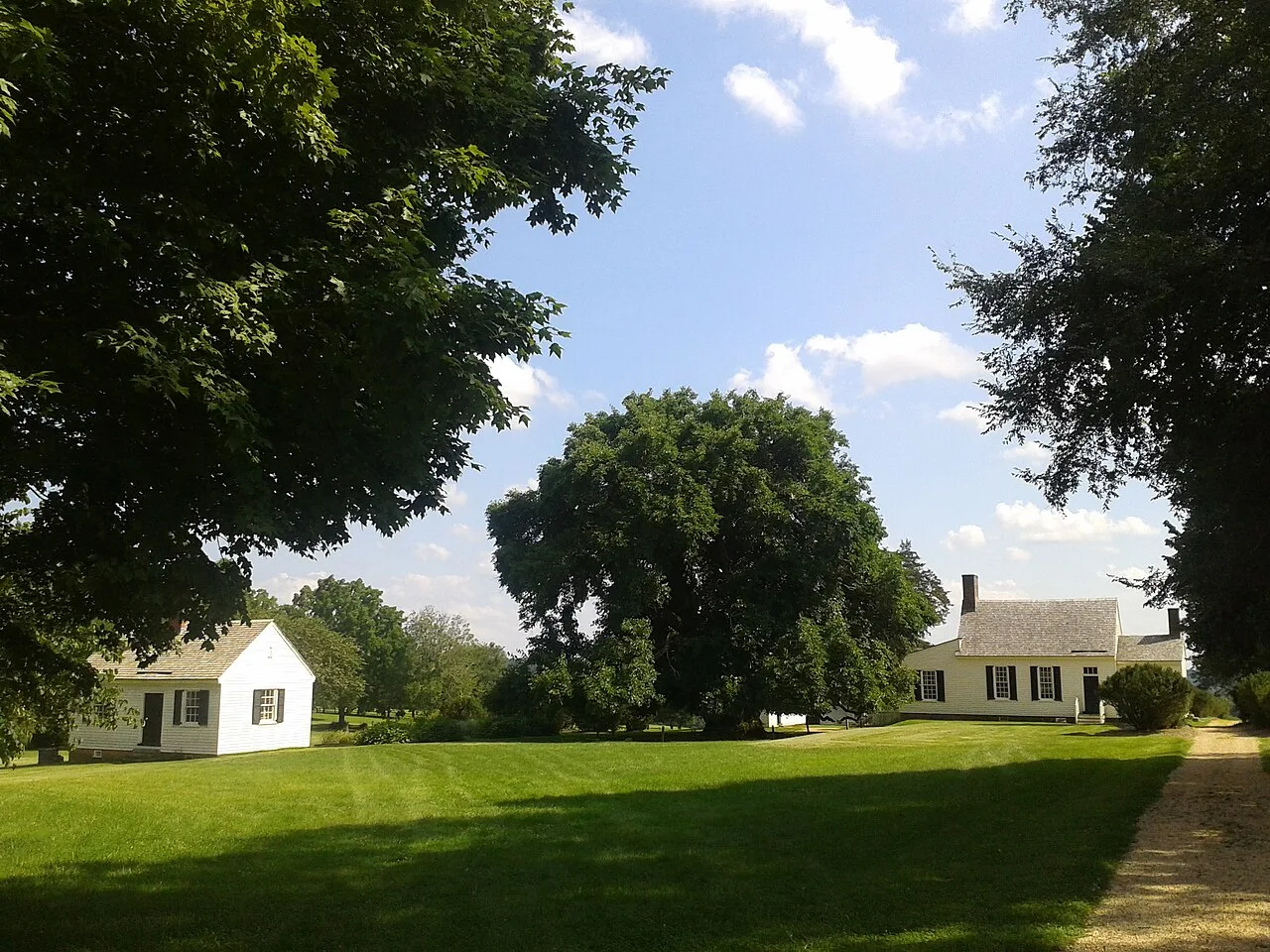
Image provenance · CIE 100/100
Assessment applies to the credited image record and its editorial context. Image delivery and the pictured event’s current status are not certified by a score. Receipt: 7387a7c6-bba0-455b-a298-fd1ec349f0fd
Image & publication standards →At a glance
- Quarter Place includes an exhibition, building remains and a cemetery.
- Red Hill describes a one-mile round trip to the cemetery, with moderate difficulty.
- Archaeological work uses objects and records to investigate everyday lives.
In this story
Follow a broader history
Patrick Henry’s Red Hill near Brookneal interprets the last home and burial place of a famous Virginia statesman. Its Quarter Place brings the enslaved and later free Black community into that account.
For Gretna-area readers, the regional visit connects farming, family and community memory.
The site describes a one-mile round trip to Quarter Place Cemetery, rated moderately difficult because of changes in slope. An exhibition near the trail’s beginning examines slavery, Jim Crow and Black life at Red Hill.
The cemetery account identifies Matilda Pannell’s grave as the only one with an inscribed name. Research into the other burials continues.
Identifying a place is only part of recovering the people associated with it.
Ordinary objects can change the account
Red Hill’s archaeology page describes a program that began in summer 2023 with investigation of a former house used by sharecroppers. Maps, aerial photographs, excavation and archived letters helped researchers interpret what remained after the building’s removal.
The account shows why a hole in the ground needs documentary context.
The museum also describes 2025 work at two cabin foundations on Quarter Place. Finds included glass, nails and ceramics, alongside personal objects such as jewelry fragments, shoe soles and children’s toys.
Staff took the material to the laboratory for cleaning, cataloging and continued analysis.
Those objects offer questions about daily life without supplying an invented answer to every question. A visitor can ask how researchers connect an item to a household, how confidently a feature is dated, and what information is still missing.
The strongest story may include a clearly stated uncertainty.
Leave room for the whole visit
Red Hill’s visitor FAQ says general admission includes the historic grounds, outbuildings, Henry family cemetery, Quarter Place and museum. It also notes outdoor walking and uneven surfaces, so confirm the route with staff if the group needs a particular level of access.
Private and group tours require advance arrangements; the FAQ asks for at least two weeks. For an individual visit, check current admission and operating information, allow time for both the main historic area and Quarter Place, and approach the cemetery as a place of remembrance.
Readers with relevant family history can contact the site about sharing information with its researchers.
Cultural & community review
Assessment passed This recorded version passed its cultural and community assessment.
- Reviews the cultural and community context of this editorial item.
- Source, rights and publisher checks remain separate.
- It does not score people or certify every fact.
Read the assessment record & limits
- This record applies to the identified content revision. Later changes require another assessment.
- Asset
- gj:article:red-hill-quarter-place-research-walk-2026
- Engine
- ct.algorithm.cie.v1 · 1.0.1
- Receipt
- fa9dad6e-428a-4454-a81f-a9a06598daf8
- Assessed
- Revision
- sha256-851a4cbb6a997fc798f76410638197339d00cdfd897cecf0ff715be5dfb1542f
- Record state
- eligible · PASS
- Binding
- BOUND
Sources & verification
Undated; checked September 7, 2026. Trail, exhibition and cemetery account; ongoing grave-identification work is not described as complete.
Read the sourceUndated page with 2023–2026 project accounts; checked September 7, 2026. Uses completed 2023 and 2025 work, not a claim that the 2026 excavation is complete.
Read the sourceUndated; checked September 7, 2026. Admission scope, walking considerations and advance group arrangements.
Read the sourceThis article was written with AI assistance from the linked sources. No firsthand interview or visit is implied. Source dates and limits are identified in the reporting. Advertising does not determine editorial coverage. Request a correction or read our standards.
EVERY NEIGHBOR HAS A VOICE
Keep the conversation going.
Share experiences, ask questions and link evidence for factual claims. Automated checks assess each version; posts that pass publish immediately with their CIE score and reasons. Comments are independent community discussion, not submissions to a government body.
Sign in to join · freeCommunity standards