
Service guide Public services · Virginia
A rural library system is more than a building and more than a broadband claim
Altavista’s branch illustrates a wider access system: cards, collections, staff, equipment and regional connections turn a public address into a usable service.
Checking whether this browser can read the story aloud.
Explore related topics
Sources & editorial review
Sites editorial review recorded for this exact revision. This AI-assisted article or learning resource includes source links and credited contextual imagery.
This is a local editorial review, not a canonical Cultural Imprint Engine assessment. No CIE score is claimed. Source review does not verify third-party playback, provider availability or image pixels.
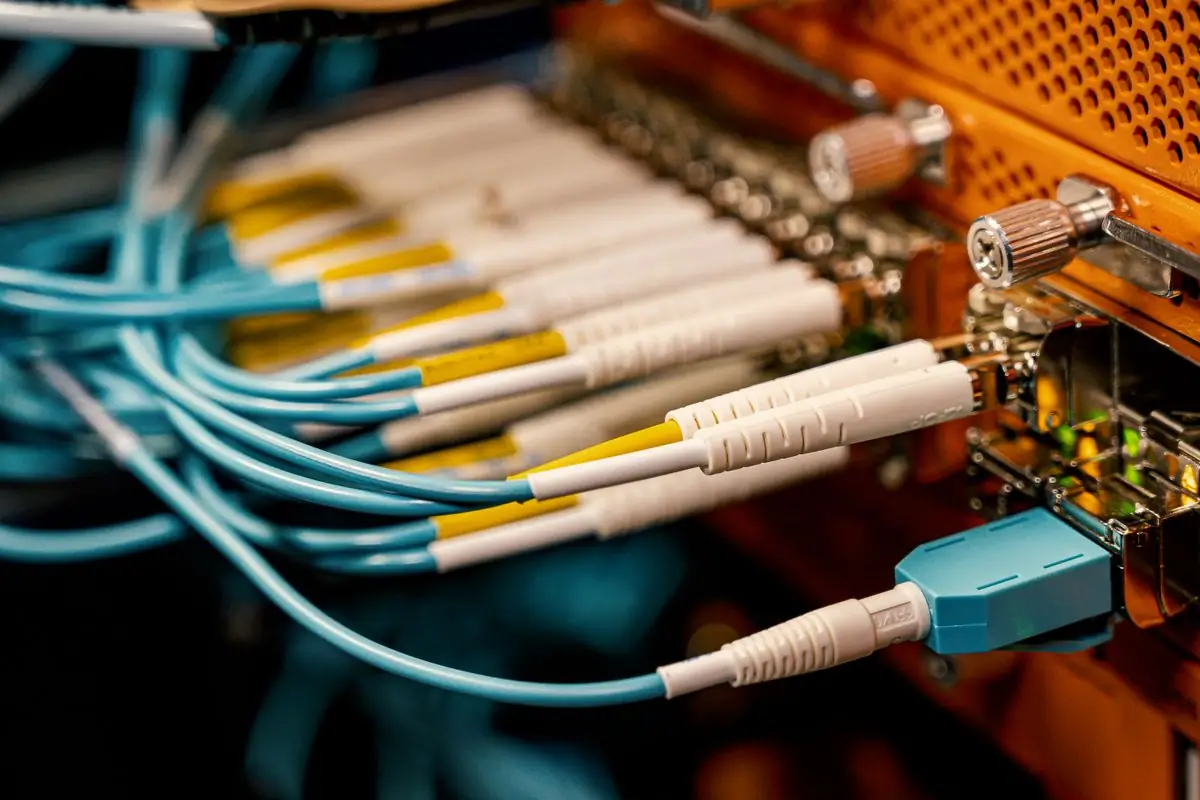
Photograph · source and license
The image, credit, reuse license, editorial context and delivered file are recorded in the exact Sites editorial review. This review is separate from the article’s canonical CIE assessment.
Image and publication standards →In this story
A branch is an entrance to a larger system
A rural library can be the place where a student finds a source, a job seeker finishes an application or a family begins exploring local history. Yet an address alone does not describe that service.
A useful account follows the whole route: which system operates the branch, how a reader gets a card, what can be borrowed or used there, and what happens when the needed resource is elsewhere. That route is especially important when a visit requires arranging a ride or fitting an errand around work.
For Altavista, the relevant institution is the Campbell County Public Library System and its Staunton River Memorial Library. Official county material also names the main branch in Rustburg, Patrick Henry Memorial Library in Brookneal and Timbrook Library.
Those locations form one system; they should not be counted as four unrelated organizations or mistaken for libraries in similarly named counties in other states. Start from the Virginia system’s own website and county directory before accepting a search result for a Campbell County library.
This article uses Altavista as a concrete example, with principles useful to readers in Halifax, Brunswick and Lunenburg. It does not claim that those counties share Campbell’s policies.
The next step for a household is identifying its actual local system, then asking about the particular service needed.
A card and a device solve different problems
The Library of Virginia’s current public-library services page identifies Find It Virginia as a route to digital information through local public libraries. Its May 2025 explanation of library funding describes resources for schoolwork, career searching, languages and lifelong learning.
The practical implication is that a local library card can connect a reader to resources beyond the shelves. It is still necessary to use the local login path and confirm which services that card supports; the state program does not make every commercial platform universally available.
Access at home and access inside a branch are different questions. A reader may have a valid account but lack a suitable device or connection.
Another may have a phone and connection but need a larger screen to complete a form. When planning a visit, ask whether the task requires a public computer, a scanner, printing or simply a quiet place to work.
Describe the task rather than requesting generic internet access. That helps staff explain the relevant equipment and any time limits.
For children, start with a caregiver’s plan for the activity and the library’s registration rules. A useful resource is not a reason to publish a child’s identity or share account credentials in a community forum.
Save private applications and school records to a location you control, and sign out of accounts before leaving a shared machine.
The small equipment details can decide the trip
Campbell’s official services page, available in indexed form during this check, describes public computers, printers, copiers, fax machines, scanners and lamination equipment at its locations. That is a service description, not a live reservation system.
The branch pages timed out during direct retrieval, so we are not publishing equipment availability, today’s hours or a quoted price as confirmed. A resident who needs a particular machine should contact the branch before traveling.
Make the inquiry specific. For scanning, know the document size and whether the receiving organization accepts a PDF.
For printing, know the required color, page size and number of copies. For a fax, have the recipient’s number and ask how completion is confirmed.
If a deadline is close, distinguish starting the task from successfully submitting it: printing an application is not filing it, and uploading a file is not proof that the recipient accepted it.
A little preparation protects the visit from avoidable friction. Bring the reference number or instructions needed for the task without carrying unnecessary private material.
Ask how staff handle files left on a shared workstation. For an accessibility need, describe the accommodation you require, such as an accessible entrance or assistance using a device, rather than assume that a general equipment listing establishes the arrangement.
A missing book may be a routing problem
The book visible on one shelf is not the entire possible collection. A catalog search, a hold and an interlibrary-loan request are different stages of finding material.
Bedford Public Library System’s official interlibrary-loan page provides a useful regional example: it asks its cardholders whether an item is absent from Bedford, Campbell and Lynchburg holdings before directing them toward an outside request. The page also states that its interlibrary-loan service requires one-way postage costs.
That is Bedford’s stated rule, not a fee we are attributing to Campbell or another locality.
Before requesting a specialized item, collect enough identifying information to distinguish it from another edition: author, full title, publication year and, when available, an ISBN. Tell the librarian whether a different edition would meet your purpose.
A genealogy question may need a particular volume or local-history file, while recreational reading may allow more flexibility. Ask about the expected process and pickup location instead of treating a request as a promise that the item will arrive by a specific date.
This matters for a rural household because each unnecessary trip has a cost in time. A message that an item has been requested differs from a notice that it is ready.
Confirm the next action in the process before arranging travel.
Statistics can reveal a system, but cannot describe today’s desk
The Institute of Museum and Library Services’ Public Libraries Survey collects information on visits, circulation, service hours, staffing, collections, electronic resources, revenues, expenditures and outlets. The Census Bureau’s explanation of the survey likewise describes a broad institutional dataset.
Such records can support questions about how library services change over time. They cannot tell a reader whether the printer is working this afternoon or whether a seat is available when a family arrives.
When comparing localities, first identify the reporting unit and fiscal year. A system total cannot fairly be compared with one branch’s figure as though both describe the same operation.
A large collection count also does not establish that the material matches local needs. The Library of Virginia’s data guidance explicitly treats collection size as one measure rather than a verdict about usefulness.
Good reporting combines the figures with the actual question: hours for workers, materials for students, accessible equipment or preservation of local records.
A budget proposal raises another distinction. Announced funding, adopted funding, an equipment purchase and a usable public service are successive states.
A responsible update can identify which state is documented and return later for the next milestone. Residents should not have to discover the difference only after making the trip.
Local history deserves both curiosity and care
A library can be a starting point for family or town research, but donating an original photograph is different from asking staff to help identify a source. Before offering material, discuss who will own it, how it may be described, whether it can be digitized and which uses require permission.
For a research visit, bring a defined question: an approximate date, a place name, a publication title or a family connection. That gives staff something narrower to work with than a request for everything about a town.
For readers planning their next library visit, the useful sequence is short. Identify the Virginia system and branch.
Confirm the card or login requirement. Ask about the resource or equipment needed.
Establish the pickup, appointment or submission step before traveling. If the task involves a deadline, prepare a backup route while keeping the original request reference.
These are planning steps, not claims that a particular branch currently offers an appointment or service.
The wider public value is substantial. Libraries connect residents to information, but that connection depends on people, policies and operational details as well as buildings.
Describing those details honestly makes the institution more usable and gives a locality better questions to ask about its investment. A rural library story should help someone complete a real next step, then show how that local step fits the larger system.
Sources & verification
Current state library-development, Find It Virginia and public-library-data context; no current branch inventory is inferred.
Read the sourceMay 12, 2025 state explanation of supported digital-resource purposes; historical funding explanation, not a new grant award.
Read the sourceOfficial page’s indexed equipment descriptions were retrieved; direct branch-page retrieval timed out. Current equipment, terms and hours require confirmation.
Read the sourceOfficial contact-routing evidence for the Virginia system.
Read the sourceDated official record identifies branch names and localities; June events are not recommended as current.
Read the sourceRegional service example with a stated one-way-postage condition; its terms are not applied to other systems.
Read the sourceCurrent federal survey description supports the stated data fields; no local totals or present operational claims are supplied.
Read the sourceFederal explanation of survey coverage, distinct from live service status.
Read the sourceThis article was written with AI assistance from the linked sources. No firsthand interview or visit is implied. Source dates and limits are identified in the reporting. Advertising does not determine editorial coverage. Request a correction or read our standards.
EVERY NEIGHBOR HAS A VOICE
Keep the conversation going.
Share experiences, ask questions and link evidence for factual claims. Automated publication checks apply to each submitted version. Comments are independent community discussion, not submissions to a government body.
Sign in to join · freeCommunity standards