
Service guide Practical living · Virginia
Build the storm record before memory blurs: a household documentation guide
Warnings, photographs, receipts, outage times and repair notes serve different purposes. A calm, privacy-aware file can support safety, insurance, aid and later public reporting without inventing a loss.
Checking whether this browser can read the story aloud.
Explore related topics
Sources & editorial review
Sites editorial review recorded for this exact revision. This AI-assisted article or learning resource includes source links and credited contextual imagery.
This is a local editorial review, not a canonical Cultural Imprint Engine assessment. No CIE score is claimed. Source review does not verify third-party playback, provider availability or image pixels.
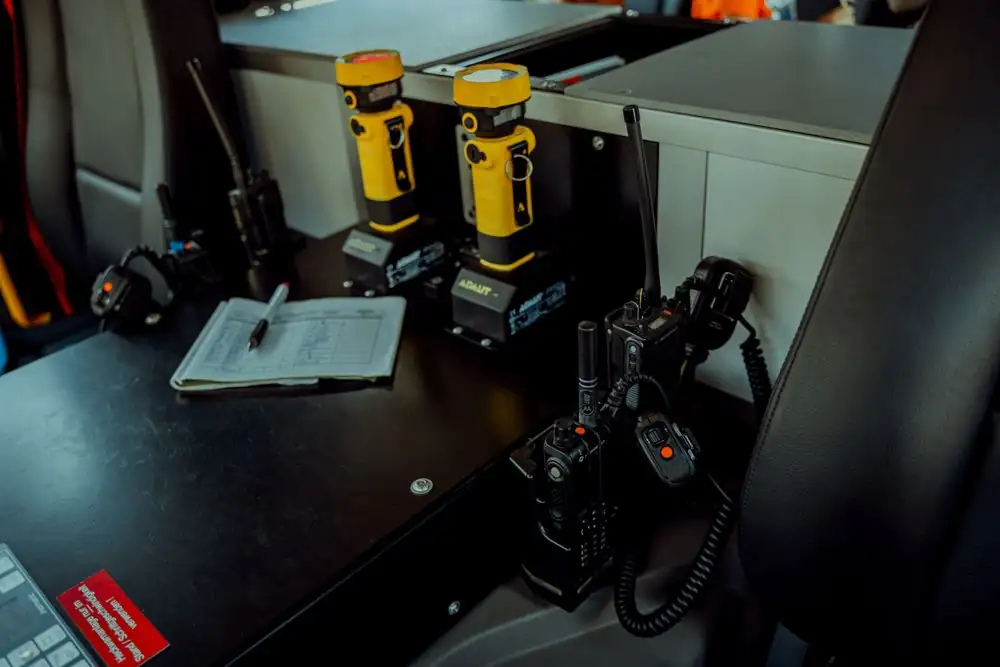
Photograph · source and license
The image, credit, reuse license, editorial context and delivered file are recorded in the exact Sites editorial review. This review is separate from the article’s canonical CIE assessment.
Image and publication standards →In this story
Safety owns the first hour
During severe weather, follow official warnings and emergency instructions. Do not enter floodwater, approach a downed line, climb onto a damaged roof or delay evacuation to take photographs.
Documentation begins only when the scene is safe. No image is worth creating a second emergency.
This guide addresses the record that can follow: what happened, when it was observed, what officials said, what the household spent and which questions remain. It does not interpret an insurance policy, certify damage or promise aid.
Those decisions belong to authorized providers and programs using the actual file.
Create a simple event identity
Name the folder with the address or household identifier, event and date. Record when the household first observed conditions, not when a later post described them.
Save official warnings with issuance and expiration times. A warning, watch and observed condition are different facts and should not be blended.
Use local time consistently and note the time zone when sharing records outside the area. Keep original files unchanged and work from copies.
Phone metadata can help, but a screenshot of metadata is not a substitute for the original file when timing becomes important.
Photograph context before detail
From a safe position, take a wide view that establishes the room, yard or structure, then closer images of damage. Include an ordinary reference for scale without moving hazardous material.
Do not stage water lines or debris. If conditions change, repeat the same viewpoint and label the later time.
Avoid photographing identity documents, medicine labels, account statements or children when they are not relevant. Before sending images, review the background for keys, license plates and private correspondence.
Keep an unredacted original securely and share a redacted copy when the recipient does not need personal data.
An observation is not a cause finding
Write what you can see, hear or measure: water entered near a door, a branch rests on a line, an appliance stopped after an outage. Do not declare structural failure, mold source or utility fault without qualified assessment.
A household note can identify the time sequence without assigning legal or technical cause.
Weather data can provide regional context but may not reproduce conditions at the property. Use the named station or gauge, measurement period and retrieval date.
A social-media total without station information should remain an unverified lead, not the event’s official rainfall.
Keep mitigation and permanent repair separate
Emergency drying, tarping, pumping or tree removal may prevent further harm. Record who authorized the work, provider identity, start time, scope and cost.
A temporary measure is not proof that the underlying condition was permanently repaired. Save the later inspection and final invoice as separate stages.
Do not sign or pay through a link that arrived unexpectedly. Verify providers using independently obtained contact information and follow the insurer or public agency’s current process.
Gretna Junction does not endorse a contractor merely because a receipt appears in a submitted story.
Receipts need provenance
Save the complete receipt with date, seller, items and payment status, but redact account and card numbers from copies. A written estimate is not a paid invoice.
A deposit is not the final cost. Mark reimbursements separately so the same expense is not counted twice in an aid or public-loss total.
For cash purchases, ask for a receipt and write a contemporaneous note. Do not fabricate one later.
If a provider outcome is unclear, use the original transaction identity to reconcile before retrying payment. Unknown status should remain unknown until the provider or account record resolves it.
Outage records need start and restoration definitions
The household may notice loss after the provider’s system start time and may regain service before an area-wide notice closes. Record personal observation and provider notice separately.
Brief restoration followed by another outage should be a new interval, not silently included in one continuous claim.
Do not infer the cause from weather alone. Utilities may publish a cause later, or may use a broad category.
Quote that category and date. Public outage maps change rapidly and should not be used as a permanent count without a captured time and provider disclaimer.
Aid and insurance are separate lanes
Insurance coverage depends on the actual policy, deductible, peril and claim decision. Public assistance has eligibility, declaration and documentation rules.
An application is not an approval, and a provider estimate is not a benefit amount. Keep claim numbers private and track submission, request, decision and appeal as distinct events.
Beware of unofficial forms that ask for sensitive information. Start from the insurer, locality, Commonwealth or federal agency’s confirmed channel.
If an event has not received a disaster declaration, do not advertise federal assistance as open. A newsroom should link the current official source and preserve the date checked.
A shared neighborhood log needs consent
Neighbors can document road blockage, outage and visible public damage without publishing household losses. Ask before naming a resident, photographing private property closely or sharing a medical or displacement detail.
A map should aggregate where possible and remove held or unverified submissions from public shelves.
Source-qualified reporting can compare official notices with attributed resident accounts. It should offer agencies and materially named parties a fair chance to respond.
Social allegations remain leads. A dramatic image does not establish that maintenance, policy or a person caused the damage.
Close the file with a durable summary
After immediate work ends, create a one-page chronology listing warnings, observations, outages, inspections, temporary work, final repairs, claims and unresolved items. Link each entry to its source file.
Store a secure backup and set a retention date appropriate to warranties, policies and official guidance.
That summary can help the next storm plan, but it should not preserve sensitive data forever without purpose. Remove duplicated identity documents and access codes.
The most useful household record is accurate, bounded and findable: enough to support a claim or public question without becoming a new privacy hazard.
Sources & verification
Official Virginia preparedness guidance; active emergencies require current alerts.
Read the sourceFederal safety guidance supporting the safety-first boundary.
Read the sourceFederal preparedness source for records and financial readiness; no aid or insurance outcome is promised.
Read the sourceOfficial regulator contact and consumer context; coverage depends on the actual policy.
Read the sourceThis article was written with AI assistance from the linked sources. No firsthand interview or visit is implied. Source dates and limits are identified in the reporting. Advertising does not determine editorial coverage. Request a correction or read our standards.
EVERY NEIGHBOR HAS A VOICE
Keep the conversation going.
Share experiences, ask questions and link evidence for factual claims. Automated publication checks apply to each submitted version. Comments are independent community discussion, not submissions to a government body.
Sign in to join · freeCommunity standards