
Explainer Science · Nation
A G3 solar-storm headline is only part of the space-weather picture
NOAA uses separate scales for geomagnetic storms, radiation storms and radio blackouts.
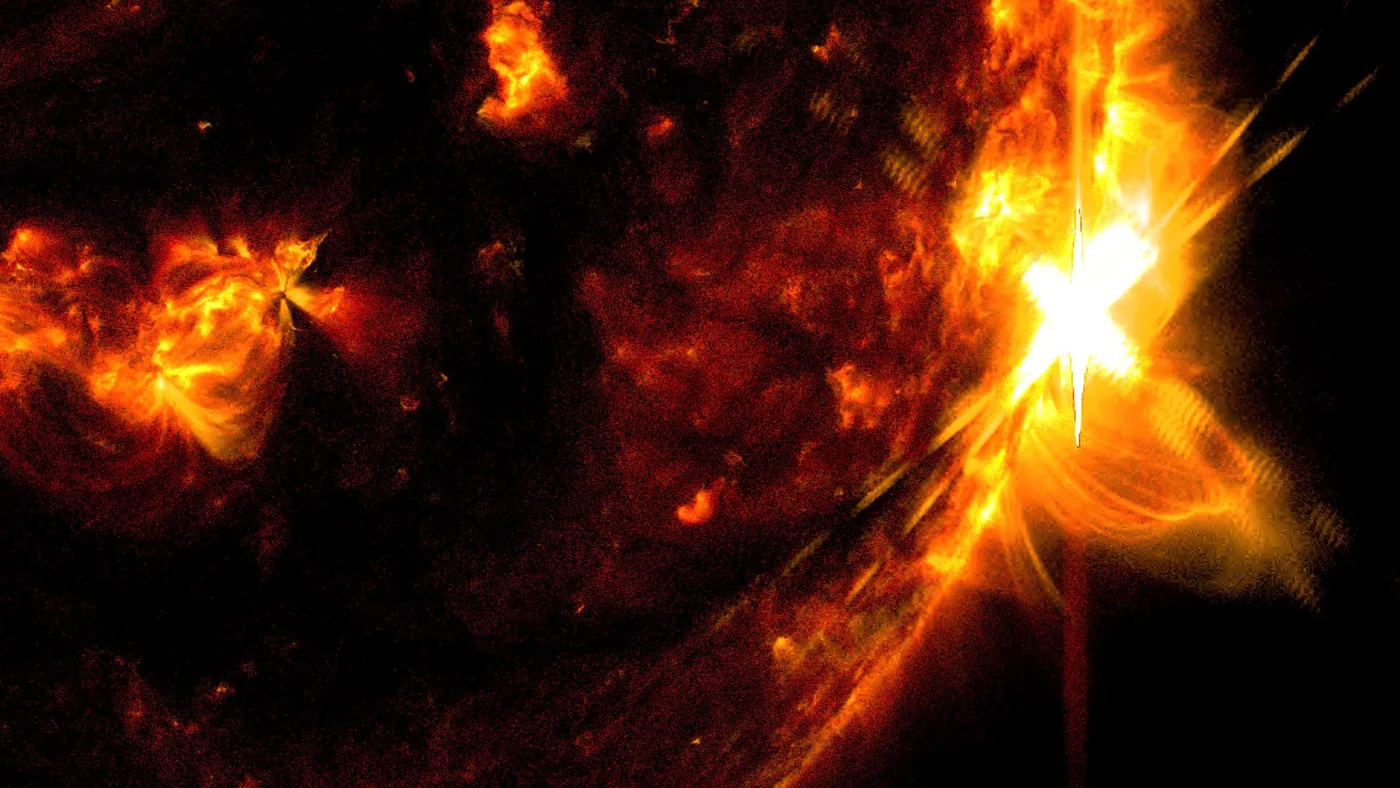
Image provenance · CIE 100/100
Assessment applies to the credited image record and its editorial context. Image delivery and the pictured event’s current status are not certified by a score. Receipt: 5305b151-849e-40d6-b22f-ea7564b0e817
Image & publication standards →At a glance
- G, S and R describe different kinds of space weather.
- Each scale runs from level 1 to level 5.
- A severity category describes possible effects, not a guaranteed local outage or aurora.
In this story
Three letters for three disturbances
Space-weather headlines can sound as though every disturbance from the Sun is the same event. NOAA’s Space Weather Prediction Center separates the effects into three scales: G for geomagnetic storms, S for solar radiation storms and R for radio blackouts.
Each scale runs from 1, described as minor, to 5, described as extreme. The letter identifies the type of disturbance; the number indicates severity within that type.
A G3 designation is a strong geomagnetic storm, not a universal rating for every solar effect.
Possible effects need context
NOAA’s geomagnetic scale lists potential effects on electrical systems, satellites, radio communication and satellite navigation. It also gives examples of how far south auroras have been seen at different levels.
These are descriptions of possible effects, not a promise that a particular community will lose electricity or see northern lights.
For someone in Gretna considering a night outside, a storm rating is therefore only a starting point. It does not establish viewing conditions at a particular address or time.
The center publishes alerts, watches and warnings separately from the explanatory scales. Check the bulletin’s event type, issue time and applicable period before sharing it.
A screenshot of an old warning can look urgent long after its time window has passed.
This is a guide to the terminology, not a report that a particular solar storm is affecting Virginia today.
Cultural & community review
Assessment passed This recorded version passed its cultural and community assessment.
- Reviews the cultural and community context of this editorial item.
- Source, rights and publisher checks remain separate.
- It does not score people or certify every fact.
Read the assessment record & limits
- This record applies to the identified content revision. Later changes require another assessment.
- Asset
- gj:article:noaa-space-weather-scales-reader
- Engine
- ct.algorithm.cie.v1 · 1.0.1
- Receipt
- 8dc95e5a-8702-4d2b-8a94-8da86c1d8034
- Assessed
- Revision
- sha256-647f452e171f543fafc6e65ae44e565d742333cf6eadd523c1f1bbc1add87b52
- Record state
- eligible · PASS
- Binding
- BOUND
Sources & verification
Undated; checked September 7, 2026. Standing scale definitions only; live dashboard values are not used.
Read the sourceUndated; checked September 7, 2026. Official bulletin service and explanation, not evidence of a current local event.
Read the sourceThis article was written with AI assistance from the linked sources. No firsthand interview or visit is implied. Source dates and limits are identified in the reporting. Advertising does not determine editorial coverage. Request a correction or read our standards.
EVERY NEIGHBOR HAS A VOICE
Keep the conversation going.
Share experiences, ask questions and link evidence for factual claims. Automated checks assess each version; posts that pass publish immediately with their CIE score and reasons. Comments are independent community discussion, not submissions to a government body.
Sign in to join · freeCommunity standards