Feature People · Virginia
Moton Museum follows the students who changed a national education debate
Dated action archive: this meeting, deadline, closure, event or offer window has passed. This page remains available as historical context; use its primary sources to confirm current information.
The Farmville school’s story runs from a 1951 strike through years of closed classrooms. A September 13 lecture offers a timely reason to revisit it.
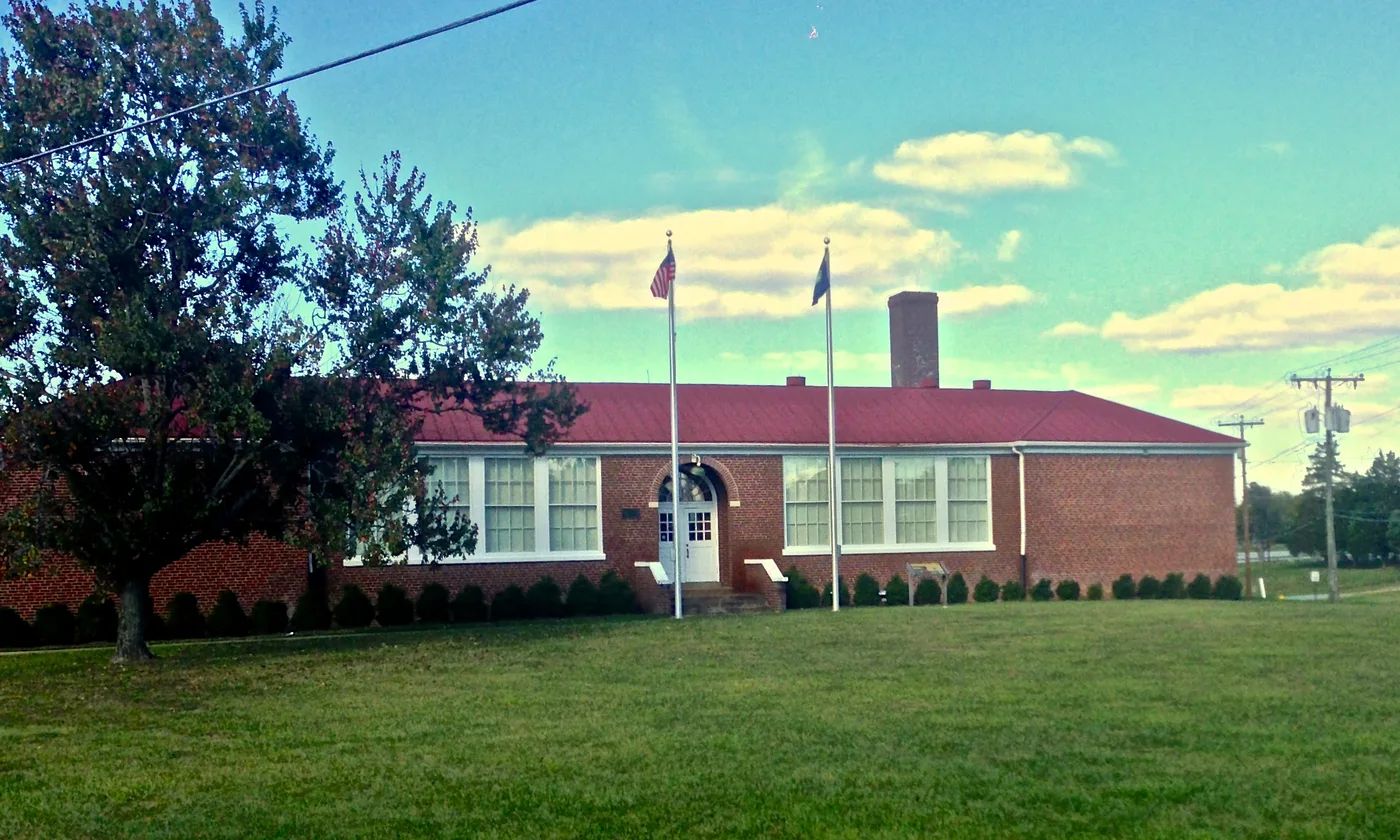
Image provenance · CIE 100/100
Assessment applies to the credited image record and its editorial context. Image delivery and the pictured event’s current status are not certified by a score. Receipt: 58a5e1a0-6d16-4741-809f-f8b4e499151f
Image & publication standards →At a glance
- Barbara Johns led the 1951 student strike at Moton High School.
- The ensuing case became part of Brown v. Board of Education.
- The museum lists a free September 13 lecture at 3 p.m.
In this story
A school building holds a larger story
A visit to Farmville’s Moton Museum begins with a place that was once meant for ordinary school days. The former Robert Russa Moton High School now tells a history in which students challenged the conditions of their education and helped change a national constitutional debate.
For Gretna-area readers considering a regional museum trip, the subject has an immediate point of connection: what a school makes possible for children, and what happens when access to it is denied. The museum’s permanent exhibition, The Moton School Story: Children of Courage, follows the Prince Edward County students whose actions and experiences give that question its force.
The museum also offers a digital companion and other learning resources. A household can begin with those materials, arrive with a particular question, and return to the story after the drive home.
The student who made a plan
The museum’s biography of Barbara Rose Johns Powell describes a young person whose frustration developed into organized action. Johns spent much of her childhood on family farms in Prince Edward County.
At school, she encountered inadequate facilities and equipment, including the absence of a science laboratory and separate gymnasium.
After considering how to respond, she worked toward a student strike. On April 23, 1951, the 16-year-old led classmates out of Moton to protest the conditions.
The biography emphasizes planning and persistence, qualities that can disappear when an event is remembered only as a single dramatic day.
Johns’s life continued beyond that moment. The museum recounts her later education, marriage, five children and work as a public-school librarian in Philadelphia.
Including that later life allows her to remain a whole person in the account, rather than only a symbol of the strike.
A local complaint reached the courts
The National Park Service’s Farmville history describes the use of tar-paper-covered classroom buildings and the students’ initial demand for better facilities. NAACP involvement took the challenge into federal court.
The case was named for Dorothy Davis, connecting another student’s name with the legal record.
The museum’s timeline follows the Davis case into the Supreme Court’s 1954 Brown v. Board of Education ruling, which declared segregated public education unconstitutional.
Placing the school and the court decision together helps explain how local action becomes part of national history.
It also suggests a useful way to read the exhibition: follow the people and the institutions separately. Students, families, lawyers and courts had different roles.
Seeing those roles clearly gives the story more depth than assuming a famous ruling appeared without the work that preceded it.
The ruling did not reopen every door
Prince Edward County’s public schools closed in 1959 as local officials resisted court-ordered desegregation. The museum’s account describes the unequal educational options that followed, including private schooling for white children and severe disruption for Black families.
The public-school closure continued until 1964.
Churches and other supporters helped provide alternatives, and the Prince Edward Free Schools opened for the 1963–1964 school year. Those efforts matter alongside the court battles because children still needed somewhere to learn while adults argued over compliance.
The years between a ruling and its implementation are central to the museum’s story. For a family discussion, ask what losing several school years would mean for a child at a particular age: interrupted friendships, missed lessons and decisions about where to live.
Those are questions prompted by the history, not a substitute for the individual accounts preserved by the museum.
The galleries invite a careful visit
The museum’s visitor guide describes six galleries moving from the student call to action through segregation, the courts, Virginia’s response, the county’s refusal and the return of educational opportunity. Its auditorium places visitors within the setting associated with the strike, while the classroom interpretation includes a tar-paper-shack display.
Give the later galleries the same attention as the beginning. A story about children gaining recognition can be difficult to absorb when it also describes years of deliberate exclusion.
Let each person identify something they learned from a document, object or recorded account, and distinguish that evidence from a conclusion they brought with them.
Admission is free for the general public. The published regular visitor hours are noon to 4 p.m., Monday through Saturday, with visits also available by appointment.
Guided groups should contact the museum in advance; the visit page asks for at least ten business days.
A date to put on the September calendar
Moton has announced its 2026 Rev. L. Francis Griffin Lecture for Sunday, September 13, at 3 p.m., at 900 Griffin Boulevard in Farmville.
The speaker is Dr. Michael L. Blakey, whose topic draws from his work on race, racism and the history of Western science and society.
The museum says a discussion and book signing will follow and lists the event as free and open to the public. The lecture honors Griffin, a minister and advocate who supported the Moton students and continued the struggle during the school closures.
This is a specific Sunday event, separate from the regular Monday-through-Saturday museum schedule. Check the event page for changes and ask the museum about gallery access that day if you want to combine the lecture with an exhibition visit.
Cultural & community review
Assessment passed This recorded version passed its cultural and community assessment.
- Reviews the cultural and community context of this editorial item.
- Source, rights and publisher checks remain separate.
- It does not score people or certify every fact.
Read the assessment record & limits
- This record applies to the identified content revision. Later changes require another assessment.
- Asset
- gj:article:moton-museum-students-schools-and-memory-2026
- Engine
- ct.algorithm.cie.v1 · 1.0.1
- Receipt
- 624d13dc-34c7-4ebb-a42d-663cc6471ead
- Assessed
- Revision
- sha256-82ff0d8b996c617b2ca3d48a50004e5c65dd7f60adefd61d0d758d1ffe747805
- Record state
- eligible · PASS
- Binding
- BOUND
Sources & verification
Undated; checked September 7, 2026. Exhibition title, digital companion and learning resources.
Read the sourceUndated; checked September 7, 2026. Family background, strike, later life and work.
Read the sourceMarch 5, 2026; checked September 7, 2026. School conditions, initial demands and case name. School construction year is not used.
Read the sourceUndated; checked September 7, 2026. Davis case, Brown ruling and school-history sequence.
Read the sourceUndated; checked September 7, 2026. Closures, unequal educational alternatives and Free Schools.
Read the sourceUndated; checked September 7, 2026. Six-gallery visitor route, admission, regular hours and group lead time.
Read the source2026 event listing; checked September 7, 2026. Confirms Sunday, September 13, 3 p.m., venue, speaker, discussion, book signing and free admission; no end time supplied.
Read the sourceThis article was written with AI assistance from the linked sources. No firsthand interview or visit is implied. Source dates and limits are identified in the reporting. Advertising does not determine editorial coverage. Request a correction or read our standards.
EVERY NEIGHBOR HAS A VOICE
Keep the conversation going.
Share experiences, ask questions and link evidence for factual claims. Automated checks assess each version; posts that pass publish immediately with their CIE score and reasons. Comments are independent community discussion, not submissions to a government body.
Sign in to join · freeCommunity standards