
Feature History · Virginia
Victoria was planned around a railroad yard—and had to become more than one
The 1906 Tidewater Railway origin explains the town’s form and rapid growth, while the surviving park and county record show how communities reinterpret industrial land after operations change.
Checking whether this browser can read the story aloud.
Explore related topics
Sources & editorial review
Sites editorial review recorded for this exact revision. This AI-assisted article or learning resource includes source links and credited contextual imagery.
This is a local editorial review, not a canonical Cultural Imprint Engine assessment. No CIE score is claimed. Source review does not verify third-party playback, provider availability or image pixels.
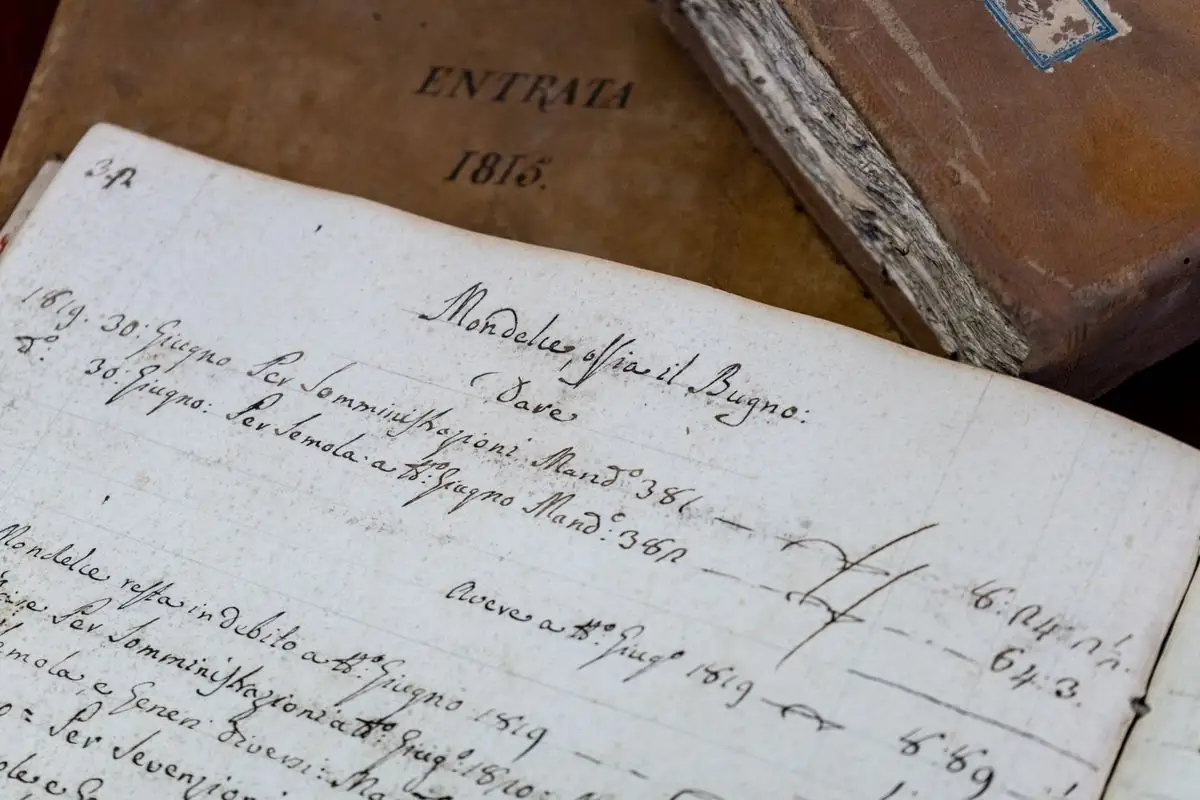
Photograph · source and license
The image, credit, reuse license, editorial context and delivered file are recorded in the exact Sites editorial review. This review is separate from the article’s canonical CIE assessment.
Image and publication standards →In this story
A town created with a transportation system
Lunenburg County’s architectural survey states that Victoria began in 1906 when the Tidewater Railroad was built. The line soon became part of the Virginian Railway, created to move coal from the mountains toward Hampton Roads.
Victoria’s location between major endpoints and the need for operating facilities shaped the town’s purpose. A yard was not merely track: it required maintenance, crews, offices, water, fuel, storage and housing.
Streets, lots and businesses developed around a work schedule tied to trains. The origin helps explain why railroad identity remains prominent even after the operating system changed.
Rail employment organized daily life
A railroad town lived by shifts, arrivals, departures and the specialized knowledge needed to keep heavy equipment moving. Direct railroad jobs supported stores, services and property development.
Families adapted meals, sleep and caregiving to irregular work. Workers faced hazards and hierarchical labor rules, while access to jobs and advancement could reflect race and gender discrimination.
The surviving official overview cannot represent every employee, so a fuller history requires payrolls, timetables, company records, newspapers and oral histories gathered with permission. Those sources can show how national transportation decisions became household routines in Victoria.
Growth made the town a regional center
The county survey says Victoria became a thriving town and by the 1940s was one of Southside Virginia’s chief trading centers. Railroad connectivity helped goods, mail and people circulate, while local merchants and institutions served a wider rural area.
That regional role complicates the idea that Victoria existed only for railroad employees. Transportation generated a market, but residents built churches, schools, civic groups and enterprises that gave the town its own social life.
Economic history should keep both layers visible: the railway supplied powerful structure, and community institutions transformed that structure into a town.
Industrial change left a large civic question
When railroad operations consolidate or move, a yard can leave underused land, environmental questions and a gap in local identity. Victoria’s Railroad Park now occupies the grounds of the former Virginian Railway yard, according to the town.
Reuse as a public park retains the scale and memory of the site while opening space for recreation and interpretation. It does not reproduce the former economy, and it should not be judged as if it could.
Adaptive reuse answers a different question: how can land built for one industrial system safely serve a community after that system recedes? The answer requires maintenance, accurate interpretation and respect for any active rail boundaries.
Visit history without treating tracks as exhibits
Use the town’s official park information for current access, events and rules. Remain in public areas and treat any operating railroad property as restricted and dangerous; a historic association does not make tracks safe for photography or walking.
Pair the park with the county survey to understand how the yard related to the town plan. When collecting family railroad stories, preserve names, dates, crafts and consent rather than turning memory into unsupported fact.
Victoria’s history is useful because it connects infrastructure, work and community adaptation. The town was planned around a railroad, but its residents continually decided what life around that inheritance would become.
Company planning did not eliminate local agency
Railroad investment determined much of Victoria’s initial layout and employment, but residents were not passive occupants of a corporate plan. They opened businesses, organized congregations, educated children, governed the municipality and responded to fires, downturns and changing transport.
Company-town language can be useful when ownership and infrastructure truly concentrated power, yet it should not erase civic institutions that developed their own authority. Municipal records, school history and community organizations reveal decisions outside the railroad office.
A balanced account treats corporate structure as powerful and local action as consequential, then documents where the two cooperated or conflicted.
Rail heritage must distinguish active and former systems
Museums and parks encourage close looking at equipment and alignments, but contemporary rail safety depends on strict boundaries. Active tracks, bridges, yards and rights-of-way are not public trails unless the responsible owner has expressly converted and opened them.
Trains can approach quickly and extend beyond the visible locomotive. Historic timetables cannot establish present operations.
Photographers should use authorized public locations and obey signs. This distinction also improves interpretation: a former yard can be explored as preserved civic land, while an active line remains transportation infrastructure.
Victoria can celebrate railroad identity without turning operational risk into heritage tourism.
The next layer of research should identify specific crafts and people through verified records. Yard maps can show facilities; employee timetables can explain operations; census and city-directory entries can connect households to occupations.
Newspapers may document accidents or celebrations but need comparison with official and family sources. Oral history can explain sound, routine and workplace culture when narrators set consent and access terms.
Combining these sources turns a generic railroad past into a local labor history without inventing scenes that the record cannot support.
What the record still asks
Railroad interpretation should also connect Victoria to other Southside towns without flattening their differences. Crewe, Burkeville and communities along other lines developed under distinct companies, dates and operating roles.
A regional route can compare depots, yards and town plans only after verifying each place independently. Shared railroad heritage is a useful discovery theme, not evidence that every community had the same workforce or decline.
Victoria’s strongest contribution is its own documented relationship between a planned yard, a trading center and later public reuse. Municipal records can then show how public services and local priorities changed after the yard’s peak, while current planning documents reveal which inherited spaces still shape daily routes today.
Sources & verification
Official DHR-hosted county survey documenting Victoria’s 1906 railroad origin and growth.
Read the sourceOfficial town description of Railroad Park on the former railyard.
Read the sourceOfficial current municipal charter and governance record.
Read the sourceThis article was written with AI assistance from the linked sources. No firsthand interview or visit is implied. Source dates and limits are identified in the reporting. Advertising does not determine editorial coverage. Request a correction or read our standards.
EVERY NEIGHBOR HAS A VOICE
Keep the conversation going.
Share experiences, ask questions and link evidence for factual claims. Automated publication checks apply to each submitted version. Comments are independent community discussion, not submissions to a government body.
Sign in to join · freeCommunity standards