
Feature History · Virginia
The Moton students changed the constitutional record from Farmville
A student-led protest over unequal schooling became part of Brown v. Board, while Prince Edward County’s later school closure shows why a court victory was not self-executing.
Checking whether this browser can read the story aloud.
Explore related topics
Sources & editorial review
Sites editorial review recorded for this exact revision. This AI-assisted article or learning resource includes source links and credited contextual imagery.
This is a local editorial review, not a canonical Cultural Imprint Engine assessment. No CIE score is claimed. Source review does not verify third-party playback, provider availability or image pixels.
Photograph · source and license
The image, credit, reuse license, editorial context and delivered file are recorded in the exact Sites editorial review. This review is separate from the article’s canonical CIE assessment.
Image and publication standards →In this story
Students began with the school they knew
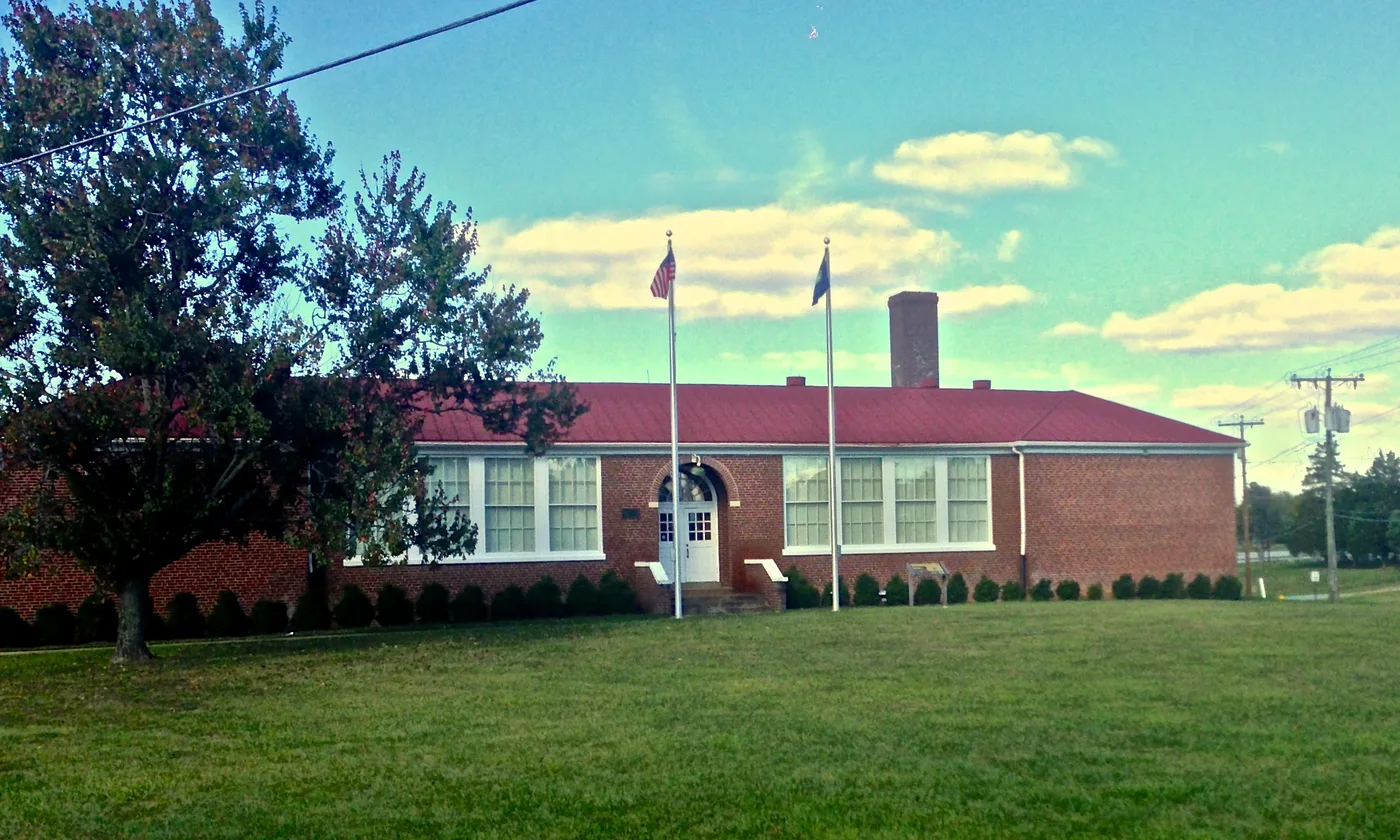
Robert Russa Moton High School opened in 1939 for Black students in Prince Edward County. By the early 1950s, the National Park Service records overcrowding and inferior facilities that reflected Virginia’s segregated school system.
On April 23, 1951, sixteen-year-old Barbara Johns led fellow students in a strike. Their demand was not abstract: they wanted a school equal to the one provided to white students.
The action grew from conditions young people experienced every day, and it required planning, collective trust and a willingness to face adult authority. The students sought help from civil-rights lawyers, who pushed the legal claim beyond equal facilities toward an attack on segregation itself.
That move joined local evidence to a constitutional argument and made Prince Edward County central to a national case.
Davis became part of Brown
The lawsuit Davis v. County School Board of Prince Edward County challenged the county’s segregated schools.
It was one of the cases consolidated under Brown v. Board of Education, decided by the Supreme Court in 1954.
The familiar name Brown can obscure the separate communities and plaintiffs whose records formed the combined case. Farmville’s contribution began with Black students and families, not with a directive from Washington.
Remembering the local case restores agency to people who documented conditions, signed onto litigation and endured scrutiny. It also shows how constitutional change is built: a national ruling rests on particular facts, named plaintiffs, organizing networks and institutions capable of carrying a claim through years of litigation.
The Moton story is therefore both youth history and legal history.
The ruling met organized resistance
Brown declared school segregation unconstitutional, but implementation encountered resistance. Prince Edward County closed its public schools from 1959 to 1964 rather than operate an integrated system.
White students could attend private schools supported through arrangements that became part of further legal conflict, while many Black children lost years of formal education or had to leave the county to study. The closure demonstrates the difference between a judicial holding and lived access.
Rights require institutions, budgets, public officials, enforcement and communities willing to defend them. A celebratory version that ends in 1954 would omit the severe local cost imposed after the victory.
The later case Griffin v. County School Board helped force the public schools to reopen, but the educational losses did not disappear when doors opened.
A school building became an evidence site
The former Moton High School now operates as the Robert Russa Moton Museum and is affiliated with Brown v. Board of Education National Historical Park.
That status links the building to other places in the national story while keeping the Farmville record rooted in its own community. A museum cannot reproduce every student’s experience, but it can preserve the setting, documents and names that broad summaries flatten.
The National Park Service’s inclusion of multiple communities is especially important because Brown was not one event in one place. Comparing sites helps readers see shared legal structures and different local responses.
It also underscores why the original building matters: architecture, classroom space and improvised facilities can make unequal policy visible in ways a case citation cannot.
How to carry the history responsibly
Use the National Park Service pages and the museum’s collections as starting points, then follow named plaintiffs, student organizers, teachers and families rather than reducing the story to a single heroic figure. Distinguish the 1951 strike, the 1954 decision, the 1959 closure and the 1964 reopening.
Each date marks a different kind of action. Do not turn youth leadership into a sentimental lesson that ignores the risks students faced or the adult networks that supported them.
For current visiting details, programs and accessibility, check the museum directly; this article does not guarantee hours. The enduring lesson is concrete: young people identified a public failure, made evidence visible and changed the legal record, while the backlash showed how far public systems could go to resist equal access.
The strike was organized, not spontaneous theater
Retellings sometimes focus on the dramatic moment when students left class, but organizing required preparation. Students had to communicate a plan, hold attention and decide what to demand.
Adults did not simply hand them a national strategy. The later legal campaign depended on lawyers, parents and institutions, yet the initial action established the factual and moral urgency.
That sequence matters for understanding youth civic power: students were experts in their own school conditions, while legal partners brought tools for a constitutional challenge. Neither contribution replaces the other.
A serious account also avoids inviting current students to imitate tactics without considering context, safety and support. History explains choices; it does not issue a universal protest instruction.
Educational loss continued after reopening
When a school system closes for years, the harm cannot be measured only by the first day it reopens. Students lose instruction, credentials, friendships, extracurricular opportunities and access to adults who may connect them with further education or work.
Families spend money, relocate children or improvise lessons. Some young people never return to the educational path that had been interrupted.
Prince Edward County’s closure therefore belongs in discussions of cumulative public harm. It also cautions against declaring equity achieved when a formal barrier is removed.
Current comparisons should use reliable data and listen to affected families, not borrow the history as a rhetorical label for every school dispute. Precision honors the people whose education was actually denied.
The museum record can help descendants and former students place individual experiences inside that chronology. It should never pressure them to disclose painful memories.
Consent, accurate names and control over reuse matter when institutions collect testimony.
Sources & verification
Official history of Moton High School and its place in Brown v. Board.
Read the sourceOfficial account of the Prince Edward County case and organizing.
Read the sourceOfficial statement of the park’s sites and significance.
Read the sourceThis article was written with AI assistance from the linked sources. No firsthand interview or visit is implied. Source dates and limits are identified in the reporting. Advertising does not determine editorial coverage. Request a correction or read our standards.
EVERY NEIGHBOR HAS A VOICE
Keep the conversation going.
Share experiences, ask questions and link evidence for factual claims. Automated publication checks apply to each submitted version. Comments are independent community discussion, not submissions to a government body.
Sign in to join · freeCommunity standards