
History History · Virginia
Reading a cemetery as a record: names, maps, custody and respectful correction
Markers, death certificates, deeds, church registers and family memory can disagree. A careful cemetery history preserves the evidence and the dignity of the people represented.
Checking whether this browser can read the story aloud.
Explore related topics
Sources & editorial review
Sites editorial review recorded for this exact revision. This AI-assisted article or learning resource includes source links and credited contextual imagery.
This is a local editorial review, not a canonical Cultural Imprint Engine assessment. No CIE score is claimed. Source review does not verify third-party playback, provider availability or image pixels.
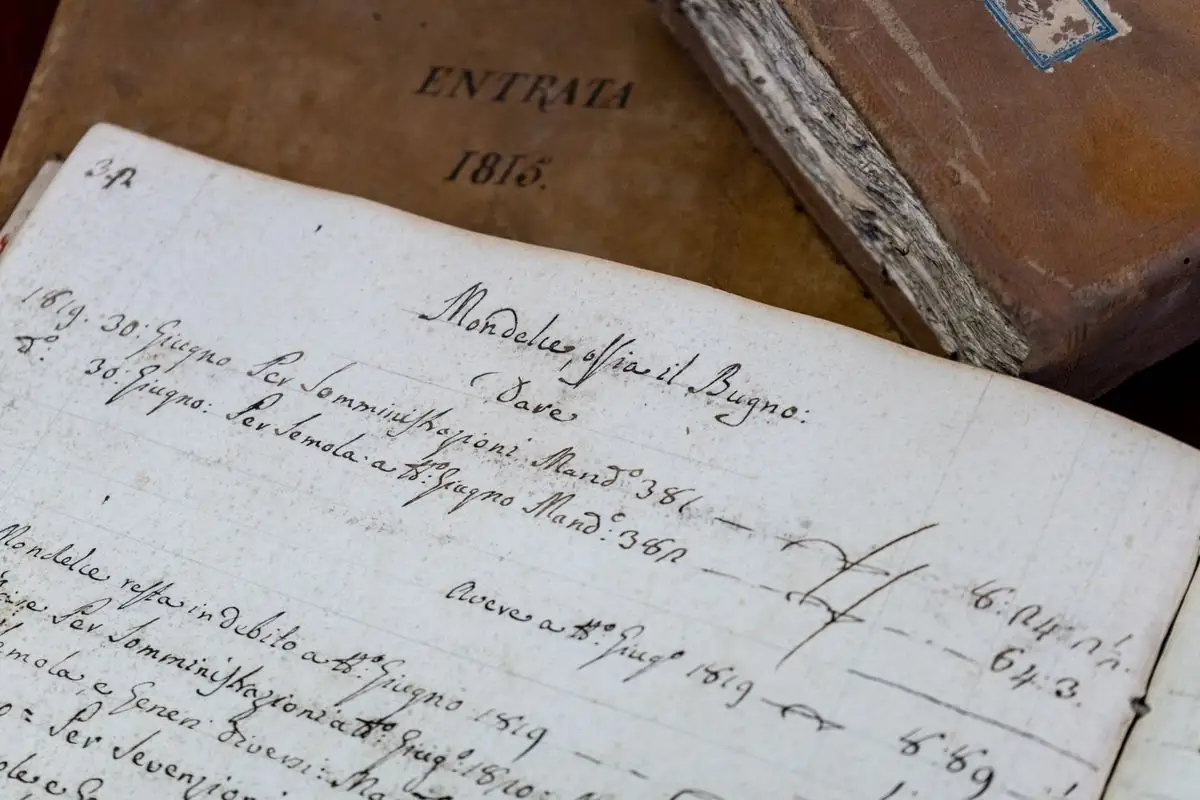
Photograph · source and license
The image, credit, reuse license, editorial context and delivered file are recorded in the exact Sites editorial review. This review is separate from the article’s canonical CIE assessment.
Image and publication standards →In this story
Establish the site before naming the burials
Record the cemetery’s known names, locality, parcel context, managing organization and lawful access point. Family, church, municipal and abandoned cemeteries can have different custodians and records.
A map pin copied from a genealogy page may be approximate or placed on private land. Confirm the location through deeds, plats, public maps or the responsible organization before visiting.
Do not publish a route across private property or enter after a posted restriction. Sensitive burial locations can face vandalism and disturbance.
Share coordinates only at the precision needed for legitimate access and preservation. If ownership or access is unclear, work through the locality, landowner or established cemetery group rather than treating historical interest as permission.
Treat the marker as one dated source
Transcribe the marker exactly, including spelling, punctuation, dates, organizations and relationships. Photograph it in lawful light without chalk, shaving cream or other substances that can damage stone.
Record the image date and marker condition. A modern replacement stone may reproduce family information but does not necessarily document what the original marker said.
Markers can contain errors, nicknames, approximate dates or later memorial additions. An unreadable digit should remain uncertain.
Compare the inscription with death, burial, church, military and newspaper records. Do not change a public transcription merely to match an online family tree without a cited source.
Build the documentary chain
Virginia death certificates, where public under applicable access rules, can provide dates, residence, relatives and burial place. Church minutes, funeral-home records, obituaries, wills and family Bibles can add context.
Each record reflects its informant and purpose. Spellings and ages can vary without proving that the record belongs to another person.
Use identity anchors such as spouse, parent, occupation, address and burial location, but preserve conflicts. A same-name record from the right county is not automatically the same individual.
Write why the match is likely and what remains unresolved. Do not publish restricted vital records or living relatives’ private contact information.
Map graves without creating false precision
A row-and-plot survey can make the cemetery easier to navigate and reveal unmarked spaces, but a surface gap is not proof of an empty grave. Number visible markers under a documented scheme and keep the original field notes.
GPS accuracy under trees or beside slopes can vary; store the device accuracy and avoid presenting a phone point as a professional boundary survey.
Ground-penetrating radar, probing and excavation require expertise, permission and legal review. Volunteers should not disturb soil, move stones or expose remains.
A possible anomaly is not a named burial. Coordinate preservation work with the owner, descendant community and appropriate authorities.
Recognize segregated and underdocumented histories
African American, Indigenous, institutional, pauper and labor-community cemeteries are often poorly marked or absent from familiar inventories. That absence reflects record custody and power, not absence of history.
Search deeds, Freedmen’s Bureau materials, church records, insurance maps, oral histories and local government files while acknowledging gaps.
Oral history can preserve names and boundaries not found elsewhere. Record the narrator, interview date, consent and relationship to the site.
Do not force recollection into certainty or publish sacred and family-specific information beyond the agreed scope. Community knowledge should be credited as evidence with its own context, not mined as anonymous color.
Handle military and organizational claims carefully
Military markers and pension files can support service history, but names, units and wars still need the correct individual. The National Archives and Department of Veterans Affairs explain record and marker programs.
A symbol or uniformed photograph may show affiliation without proving rank, combat experience or every later honor.
Fraternal, religious and occupational symbols also require careful interpretation. Use organization archives or reliable reference works and label uncertainty.
Do not assign beliefs or membership to living relatives because of an ancestor’s marker. The record belongs to a historical person, not an inherited stereotype.
Publish corrections without erasing memory
A cemetery index should show the transcription, photograph date, documentary sources, confidence note and correction contact. If a family provides stronger evidence, preserve the prior entry and add the correction date.
Separate a clerical update from physical marker work, which requires owner and preservation authority.
The most responsible history may leave some names uncertain and some locations private. Explain those limits.
Credit volunteers, archives and families under their permissions, and verify image rights before publication. A respectful record does not promise completeness; it creates a durable path for future residents to protect, question and improve the evidence.
A correction packet can be modest and still rigorous. Include the existing transcription, a dated marker photograph, the proposed corrected reading, two supporting records and a note explaining any conflict.
Send it to the index custodian or managing organization rather than editing shared files anonymously. If physical work is proposed, document the owner, method and preservation review before touching the stone.
Families may disagree about a name or date; publish the evidence and attributed positions without forcing a consensus that the record does not support. That process protects both memory and accountability, especially in cemeteries where earlier surveys omitted people or where later markers condensed a more complicated family history.
The public index should also state its cutoff date. A cemetery is a living record, and new burials, marker repairs or archival discoveries can occur after publication.
A dated snapshot prevents readers from interpreting absence as proof that no burial exists. It also gives custodians a clear point for the next survey and protects volunteers from being blamed for changes they could not yet observe.
Preserve withdrawn family material privately rather than reposting it through an archive copy.
Sources & verification
Official research guidance for Virginia vital records and access.
Read the sourceOfficial guide to deeds, wills, court and locality records.
Read the sourceOfficial federal research paths for African American history and records.
Read the sourceOfficial federal veteran burial, marker and cemetery information.
Read the sourceThis article was written with AI assistance from the linked sources. No firsthand interview or visit is implied. Source dates and limits are identified in the reporting. Advertising does not determine editorial coverage. Request a correction or read our standards.
EVERY NEIGHBOR HAS A VOICE
Keep the conversation going.
Share experiences, ask questions and link evidence for factual claims. Automated publication checks apply to each submitted version. Comments are independent community discussion, not submissions to a government body.
Sign in to join · freeCommunity standards