
Explainer World · World
The high seas treaty is in force. Ocean protection still requires decisions.
The agreement creates a framework for biodiversity beyond national jurisdiction; it does not instantly turn the open ocean into a reserve.
Checking whether this browser can read the story aloud.
Explore related topics
Cultural & community review
Assessment passed This recorded version passed its cultural and community assessment.
Read the assessment record & limits
- This record applies to the identified content revision. Later changes require another assessment.
- CIE reviews cultural and community context. It does not score people or certify every fact.
- Source, rights and publisher review remain separate.
- Asset
- gj:article:high-seas-treaty-2026-framework
- Engine
- ct.algorithm.cie.v1 · 1.0.1
- Receipt
- b77c82ef-dbda-477c-8cbc-69b56e399722
- Assessed
- Revision
- sha256-9dca7155fef8251ba1874eeeb4079a563fbfa785cc4105eb631ca0244875e9a6
- Record state
- eligible · PASS
- Binding
- BOUND
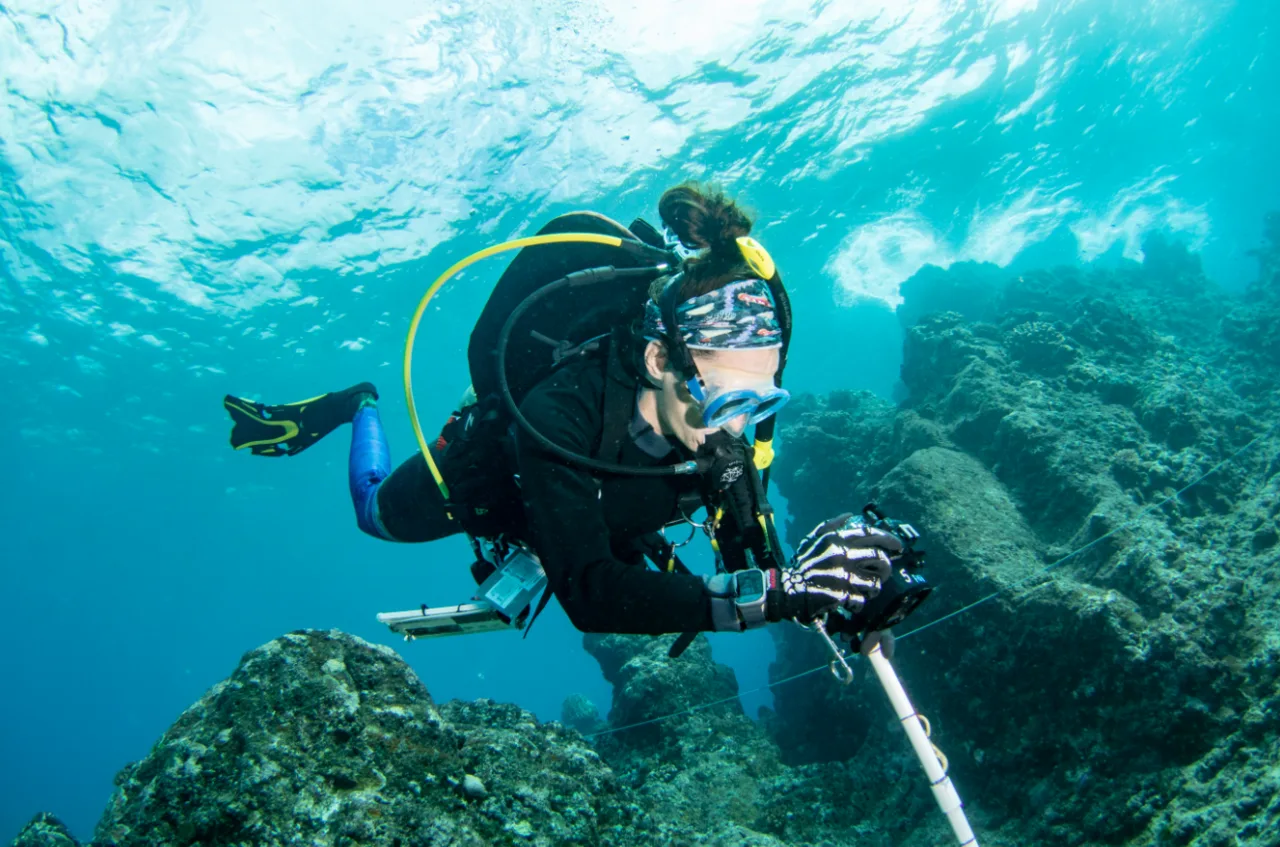
Image provenance · CIE 100/100
Assessment applies to the credited image record and its editorial context. Image delivery, pixels and the pictured event’s current status require separate verification. Receipt: 46c62f06-206e-4fd3-af64-b200701495b0
Image & publication standards →At a glance
- The agreement entered into force January 17, 2026.
- It covers marine biodiversity beyond national jurisdiction.
- Protected areas and environmental assessments are central tools.
In this story
A legal milestone, followed by implementation
The high seas biodiversity treaty entered into force January 17, 2026, according to the United Nations treaty register. Formally called the BBNJ Agreement, it concerns marine biological diversity in areas beyond national jurisdiction.
The agreement was adopted June 19, 2023. Its entry into force followed the rule requiring 120 days after the sixtieth instrument of ratification, acceptance, approval or accession was deposited.
Signing an agreement and completing the steps to become a party are therefore different milestones.
What the framework can do
United Nations University describes four main components: sharing benefits from marine genetic resources; establishing area-based protections, including marine protected areas; assessing environmental impacts; and building scientific capacity and transferring marine technology.
These tools matter because marine ecosystems extend across boundaries. Research and conservation in international waters require cooperation among countries with very different scientific resources and ocean interests.
The practical distinction is between having an agreement and carrying out its decisions. Entry into force establishes the framework.
It does not, by itself, demonstrate that a particular ocean area has received protection or that every proposed activity has been assessed.
When following the next ocean-policy headline, look for the specific action: a protected-area proposal, an adopted measure, an assessment requirement or financing for implementation. That detail says more about what changes in the water than a broad claim that the oceans have been saved.
Sources & verification
Live register checked September 7, 2026; checked September 7, 2026. Confirms adoption and entry-into-force dates; no party count reproduced.
Read the sourceJanuary 16, 2026; checked September 7, 2026. Framework explanation; subsequent meeting outcomes are not inferred.
Read the sourceThis article was written with AI assistance from the linked sources. No firsthand interview or visit is implied. Source dates and limits are identified in the reporting. Advertising does not determine editorial coverage. Request a correction or read our standards.
EVERY NEIGHBOR HAS A VOICE
Keep the conversation going.
Share experiences, ask questions and link evidence for factual claims. Automated publication checks apply to each submitted version. Comments are independent community discussion, not submissions to a government body.
Sign in to join · freeCommunity standards