
Explainer Health · Virginia
The appointment before the appointment: navigating Southside health transportation
Virginia's October 1 transportation-broker change, conflicting official pages and the practical work of getting to care explain why a ride needs its own plan.
Checking whether this browser can read the story aloud.
Explore related topics
Sources & editorial review
Sites editorial review recorded for this exact revision. This AI-assisted article or learning resource includes source links and credited contextual imagery.
This is a local editorial review, not a canonical Cultural Imprint Engine assessment. No CIE score is claimed. Source review does not verify third-party playback, provider availability or image pixels.
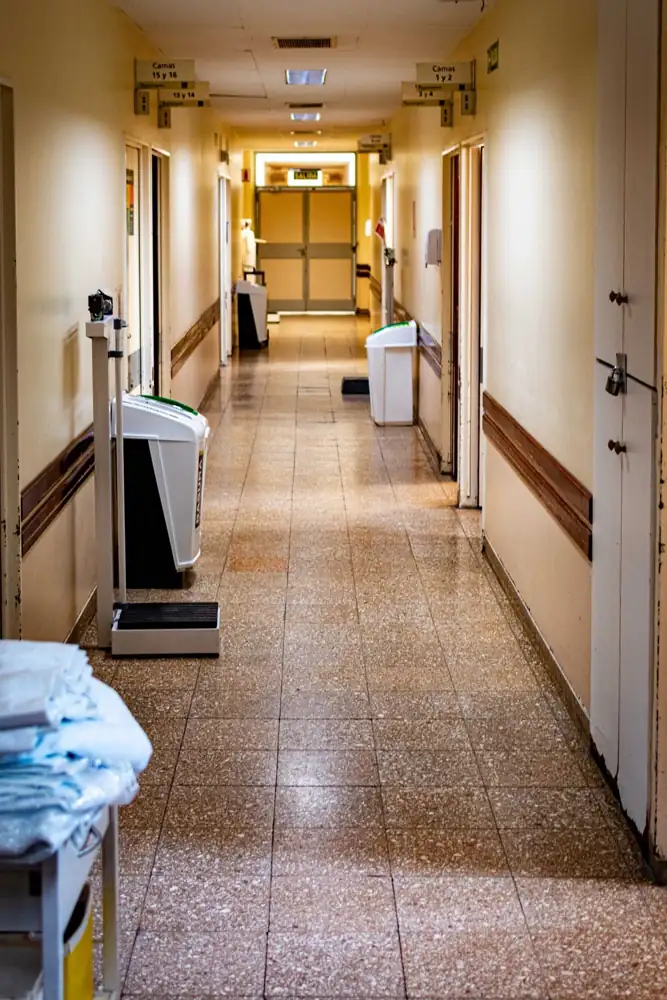
Photograph · source and license
The image, credit, reuse license, editorial context and delivered file are recorded in the exact Sites editorial review. This review is separate from the article’s canonical CIE assessment.
Image and publication standards →In this story
The care journey has more than one starting line
An appointment can appear settled while the trip remains unsettled. A person has a time on the clinic calendar, a destination and a reason to go.
The household still has to connect its front door to the correct entrance, arrive early enough for registration, arrange help if needed and return home. In rural Southside, that chain deserves attention equal to the appointment itself.
A route on a map describes distance; it does not describe who can drive, whether a vehicle can accommodate a wheelchair, who can wait through a delayed visit or how a working caregiver will recover the hours.
This guide follows the administrative journey rather than making a clinical recommendation. It uses Virginia's Medicaid transportation records and local health-department contact information, then develops clearly identified hypothetical examples to show where coordination can fail.
It does not determine anyone's eligibility, promise a vehicle or establish that a specific local provider can take a new patient. The practical aim is narrower: help a resident ask the right office a complete question and recognize which parts of the journey are still unconfirmed.
An October change meets an older official page
The official Virginia fee-for-service transportation site now states that MTM Health took over program operations on October 1, 2026. It says the telephone numbers, policies, assigned standing-order trips and reservation processes did not change.
Yet the DMAS member-benefits overview retrieved for this article still names ModivCare as the fee-for-service operator. The June 2026 member handbook also carries the earlier name.
These are different dated layers of official information, not proof that a particular rider lost coverage or that an existing reservation disappeared.
For the reader, the discrepancy creates a sensible verification question: which organization currently owns this specific reservation? The dated transition notice is useful for understanding the operator change; the member's current plan and the responsible reservations office still control an individual trip.
An older bookmark or app instruction may lead to an unnecessary detour. Keep the original trip reference and ask how it is handled under the current arrangement before making a second booking.
A second request can create confusion when the first one remains active. The transition should be described precisely, without suggesting that an updated website by itself proves service delivery.
Fee-for-service and managed care are different doors
DMAS describes transportation benefits for members in both managed-care plans and fee-for-service Medicaid. Its overview points members to the number on their identification card and to the agency's transportation contact sheet.
The fee-for-service site explicitly warns that its information and numbers do not apply to managed-care transportation. That boundary matters more than the town a rider lives in.
Two neighbors can have different booking routes even when they are traveling to the same medical building.
Begin by identifying the plan actually responsible for the proposed service. Avoid using a relative's old telephone number simply because the relative successfully traveled last year.
If a member does not know the coverage arrangement, ask the plan or DMAS to clarify before sharing detailed appointment information with another organization. The contact sheet also distinguishes some waiver-service transportation from medical appointments; readers with those arrangements should ask which route applies to the trip at hand.
This is an administrative classification, not a diagnosis. A clean first question can save several transferred calls and prevent the household from treating an unanswered request as a denial.
Build a trip description that a dispatcher can use
The June 2026 handbook lists the information needed for a reservation, including member identification, pickup and destination addresses, appointment date and time, return arrangements and assistance needs. It also warns that a trip reference does not mean a transportation company has been assigned.
Those two facts explain why writing down an address and receiving a number are necessary steps but not the end of preparation. Coverage, reservation entry, provider assignment and completed transport are separate states.
A household can prepare a private trip sheet with the clinic's complete physical address, department, building entrance and appointment contact. If the clinic has multiple campuses, verify the site shown on the actual appointment notice.
State a practical landmark only when it helps a driver find the legal pickup point; a business name without a street address can be ambiguous. Record the pickup time and the time the clinic expects arrival, because they serve different purposes.
Ask the reservations office to repeat back the destination and assistance arrangement. Keep sensitive identifiers on the private sheet rather than posting a photograph of the booking screen in a community group.
Calendar notice is a resource, not a minor detail
The current fee-for-service site asks for at least five business days' notice for a routine ride, with a different route for urgent trips. Its facility page likewise distinguishes routine booking from urgent requests.
Residents should have the current office calculate a deadline where holidays or a late appointment change could affect it. A short-notice visit does not become a routine trip simply because a person wants to keep the original calendar slot; urgency and the appropriate transportation process belong with the treating facility and responsible program.
Hypothetical example: a clinic offers a Tuesday appointment after a cancellation, but the household receives that offer on Friday. The resident can ask the clinic whether the timing is clinically important, tell the transportation office the actual situation and ask which supported arrangement applies.
The resident should not invent a medical reason to obtain priority. If the two offices cannot coordinate, the unresolved issue is the trip, not an assumed failure by the patient to care about the appointment.
Recording who was contacted, when and what remained unanswered makes a later rescheduling conversation more useful.
The return leg is part of the appointment
A return journey needs its own operational answer. The household may know when a visit begins without knowing when paperwork, a procedure, a pharmacy discussion or a delayed clinician will release the patient.
Ask whether the return is set for a specific time or arranged after the visit and who should receive that request. Do not assume the outbound driver will remain nearby or accept a personal call for the return.
Confirm the method with the responsible transportation office.
Hypothetical example: a rider goes to an appointment expected to end at noon, but the clinic's work finishes later. A fixed return time and a completion-based return each create different questions.
Can the reservation be changed? Where can the person safely wait?
Who can communicate with the transport office if the rider cannot make the call? An adult accompanying the patient can discuss these logistics without becoming the person who determines medical readiness.
Before leaving home, identify a place to keep the phone charged and the clinic contact accessible. Practical preparation reduces uncertainty; it cannot guarantee that a vehicle will arrive at a particular minute.
If a caregiver must leave before the return, agree on who holds the trip reference and who can receive updates. A paper copy can help when a phone battery fails, but it should contain only information needed for the journey.
The patient should know where that copy is kept.
Vehicle access and entrance access are not identical
A vehicle can be appropriate while a building entrance is wrong. A destination may have a public front door, a separate accessible entrance, a specialty department or a loading area that is not meant for patient drop-off.
The reservations office and the clinic need compatible instructions. Explain an actual mobility need to the professionals responsible for the trip rather than requesting a vehicle type based on a guess.
The transportation arrangement must match the level of assistance that is authorized and can be delivered.
A useful hypothetical is a rider who can sit safely in a vehicle but cannot navigate the distance from the curb to registration alone. Saying only that the rider does not use a wheelchair leaves the entrance problem unresolved.
Ask how the authorized assistance is described, who can receive the patient and whether the building staff must be notified. Another rider may use a wheelchair and need a specific loading arrangement.
These are different cases. The article cannot assess the person, select a clinical level of transport or establish that a particular vehicle has the required equipment; that work belongs to the responsible service and care team.
One trip may contain several destinations
Care can involve an examination in one building, a laboratory in another and a prescription discussion elsewhere. A household should ask the clinic which stops are part of the actual plan, then ask the transportation program whether and how those stops can be included.
An appointment notice for one destination is not automatic authorization for an extra journey. Clarifying the itinerary before departure is more reliable than asking a driver to improvise a new stop after the appointment.
Hypothetical example: a resident schedules a specialist visit and later learns that a separate test is required beforehand. The resident can ask whether the test must happen on the same day, at the same site or before the visit.
Those answers affect timing and booking, but the clinical office controls them. If the household chooses to combine unrelated errands, it should not assume Medicaid transportation will cover the added distance or waiting.
A realistic trip plan marks each destination as confirmed, requested or outside the authorized itinerary. That small distinction helps the family see what can be coordinated and what still needs a separate solution.
Public transportation and family help need their own checks
DMAS's contact sheet tells members to ask about public transit or gas reimbursement. That invitation is a route for inquiry, not a published promise that a bus serves every Southside address or that any family driver will be reimbursed.
Before choosing an alternative, ask the responsible program about the specific conditions, authorization and records required. If a public route is proposed, confirm the actual operator, stop, direction, service day and connection.
A statewide directory cannot certify a usable journey from one front door to one clinic entrance.
Hypothetical example: a relative is willing to drive, but needs help with fuel costs. The useful conversation happens before the trip: what must be approved, what documentation does the program require and who receives any payment?
The family should not spend based on an assumed reimbursement amount. Another household may find a route to the clinic but no workable return connection after the appointment.
That is a whole-journey problem, not evidence that public transportation is universally inadequate. Local reporting should document the exact failed connection if it occurs, rather than treating an incomplete map search as an established service gap.
A local health office is not the whole health system
The Pittsylvania/Danville Health District contact page, updated October 9, 2026, identifies offices in Danville and Chatham. Its district site describes public-health work involving prevention and environmental protection and links several program areas.
Those pages can help residents identify the responsible local public-health office. They do not establish a walk-in appointment, a specialist opening, a transportation entitlement or emergency treatment at either address.
Before traveling to an office, name the task. Is the resident seeking a public-health program, a vital-records question, an environmental-health contact or care from a separate clinician?
Ask the named office whether it handles that task, which location is appropriate and what appointment or document preparation is required. A trip to the wrong counter can consume the same scarce time and transport capacity as a medical visit.
This is particularly important when a family is trying to combine several administrative needs in one day. A referral to another institution may be helpful, but it remains a referral until that institution confirms the next step.
When the ride is late, preserve an actionable account
The fee-for-service site publishes a separate ride-assistance route for delays and return-trip problems. Managed-care riders should use their own plan's current assistance instructions.
When calling, have the original reservation reference and the actual pickup situation ready. State what has happened in sequence: the scheduled time, where the rider is waiting, the most recent contact and whether the clinic knows about the delay.
Do not open a second routine reservation merely to escape an unanswered first attempt.
For a complaint, a precise private log is more useful than a broad accusation. Record the dates, offices contacted, promised follow-up and actual outcome.
Keep screenshots or messages that belong to the account, but do not publish another passenger's details or a driver's private identifiers. If the transport failure affects care, contact the clinic as well; the transport office cannot decide the medical consequences of delay.
For an emergency or a condition threatening life or limb, the handbook directs people to call 911. A late-ride process and an emergency response are different systems, and this guide cannot triage symptoms.
What communities can measure without exposing patients
A community can investigate transportation barriers without assembling a public list of diagnoses and appointment addresses. Useful questions concern the process: which booking routes exist, how written policies describe assistance, whether information is current and how complaints move between organizations.
An evidence request can seek aggregate definitions and reporting periods. It should distinguish a scheduled trip, an assigned vehicle, a completed ride and a cancelled appointment.
Those are different outcomes, so a single number cannot explain all of them.
If a future investigation collects resident accounts, consent should specify how the experience will be used and which details remain private. A family's difficult trip can reveal a real barrier without representing every rider or every provider.
Compare the account with the policy that applied on that date and offer the responsible institution a focused chance to respond. The central question is whether the coordination worked and what record demonstrates it.
That approach can support accountability while preserving the person's dignity. For today's reader, the immediate next step is simpler: identify the right plan, describe the complete journey and confirm what remains unresolved before relying on the ride.
Sources & verification
Retrieved October 9 Eastern / October 10 UTC. Supports Medicaid plan distinction and member-card routing. Overview still names ModivCare; this dated discrepancy is preserved alongside the October 1 successor notice.
Read the sourceRetrieved October 9 Eastern / October 10 UTC. Announces MTM Health operations effective October 1, 2026; states unchanged numbers and processes, five-business-day routine notice and separate managed-care routing. No individual reservation or availability was tested.
Read the sourceRetrieved October 9 Eastern / October 10 UTC. Dated June 2026, earlier broker name retained. Supports reservation-information and emergency distinctions and warning that a trip reference is not vehicle assignment. Current program must resolve operational specifics.
Read the sourceRetrieved October 9 Eastern / October 10 UTC; sheet labeled updated October 17, 2025. Supports plan-specific reservation versus assistance routes and inquiry about transit or gas reimbursement; numbers not called or delivery verified.
Read the sourceOfficial search retrieval October 9 Eastern / October 10 UTC supports routine versus urgent requests and facility coordination. Direct page retrieval was unavailable; no unobserved page details used.
Read the sourceRetrieved October 9 Eastern / October 10 UTC; page last updated October 9, 2026. Identifies Danville and Chatham offices, not current appointments or transport eligibility.
Read the sourceRetrieved October 9 Eastern / October 10 UTC; page last updated August 18, 2026. Supports district public-health mission and program routing, not clinic availability or individual treatment.
Read the sourceThis article was written with AI assistance from the linked sources. No firsthand interview or visit is implied. Source dates and limits are identified in the reporting. Advertising does not determine editorial coverage. Request a correction or read our standards.
EVERY NEIGHBOR HAS A VOICE
Keep the conversation going.
Share experiences, ask questions and link evidence for factual claims. Automated publication checks apply to each submitted version. Comments are independent community discussion, not submissions to a government body.
Sign in to join · freeCommunity standards