
Feature Health · Virginia
Southside’s health district is a front door, not a substitute for emergency care
Knowing which public-health office serves a locality helps residents route records, prevention and environmental-health questions without confusing a directory with diagnosis or live availability.
Checking whether this browser can read the story aloud.
Explore related topics
Sources & editorial review
Sites editorial review recorded for this exact revision. This AI-assisted article or learning resource includes source links and credited contextual imagery.
This is a local editorial review, not a canonical Cultural Imprint Engine assessment. No CIE score is claimed. Source review does not verify third-party playback, provider availability or image pixels.
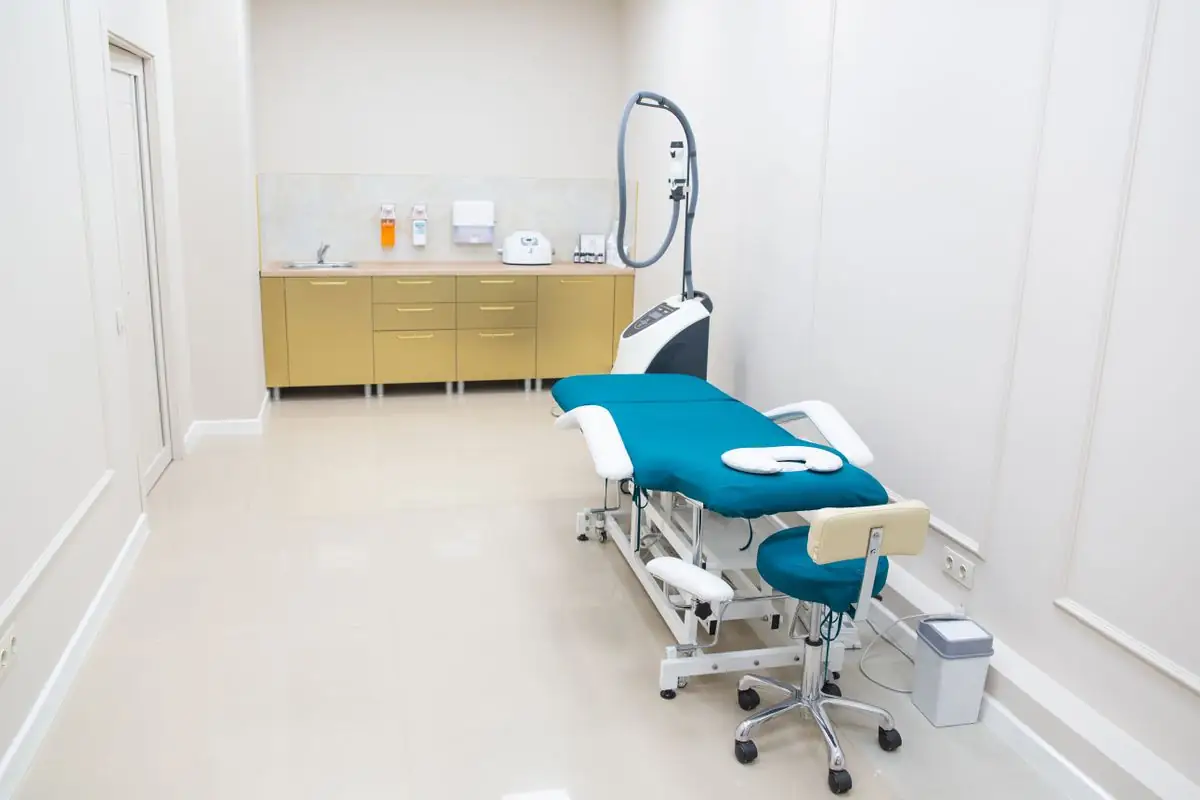
Photograph · source and license
The image, credit, reuse license, editorial context and delivered file are recorded in the exact Sites editorial review. This review is separate from the article’s canonical CIE assessment.
Image and publication standards →In this story
Public health is organized by district
The Virginia Department of Health organizes local services through health districts and provides a directory by locality. Its current materials place Brunswick, Halifax and Mecklenburg counties within the Southside Health District.
That structure matters because a resident’s nearest-looking office or hospital is not automatically the public-health office responsible for a particular record or program. The district page is a routing source: it points to offices, program information and contact paths.
It does not prove that a service is available at a specific hour, that a person qualifies, or that an appointment has been booked. Those facts require confirmation from the responsible program.
Public health and clinical care overlap but are not identical
Local health departments may support immunization, communicable-disease work, maternal and child programs, environmental health, vital-record guidance and community outreach. A clinician or hospital provides diagnosis and treatment in a different relationship.
Residents can lose time when a broad phrase such as “the health department” is treated as if every office performs every service. Start by naming the task: an immunization record, a restaurant complaint, a septic or well question, a clinic service, or information about a public-health alert.
Then use the official directory and call before sharing personal information. A directory link is safer than an unofficial number copied from a social post.
Emergency routing comes first
A public-health webpage is not an emergency response channel. For a life-threatening or rapidly worsening condition, call 911 or use the appropriate emergency service.
Do not wait for a website reply, email or routine office opening. For urgent but non-emergency clinical needs, contact an appropriate healthcare provider or urgent-care service and verify what they can evaluate.
Poisoning, behavioral-health crises and other situations may have specialized official lines; use current government guidance. This article cannot assess symptoms, recommend treatment or determine whether a situation is urgent.
Its role is limited to explaining how the public-health directory is structured.
Privacy should shape the first contact
A resident can ask which office handles a service without publishing a name, birth date, address, medical history, insurance number or account identifier. Use authorized portals, phone numbers or in-person procedures when the agency requests protected information.
Parents and guardians should avoid posting a child’s health or school records in public comments. If someone calls claiming to represent a program, verify the number through the official VDH site before disclosing information or paying a fee.
Gretna Junction does not collect patient records, book appointments or inspect eligibility. Those boundaries protect residents and keep the article from implying a service that was not performed.
A practical verification sequence
First, select the locality in VDH’s official district directory. Second, open the district page and identify the program, not only the office.
Third, confirm location, hours, eligibility, documents, cost and accessibility directly. Fourth, preserve the date and name of the office if a deadline matters.
Fifth, follow emergency instructions ahead of routine navigation. Community outreach and health assessments can help residents understand regional needs, but they do not reveal an individual diagnosis.
Public-health access improves when residents can find the right door quickly and agencies keep information current. Accuracy begins with a modest claim: the district is the official place to verify the next step.
Environmental health follows a different workflow
Questions involving restaurants, wells, septic systems, sewage, lodging or other environmental conditions may enter a public-health office through specialized staff and legal authorities. The correct process varies by issue, property and stage of review.
A complaint should describe observable facts, location and timing without publishing a neighbor’s private information. A permit question should use the official application path and current technical requirements.
Staff may need site access or documents before giving an answer. A general hotline cannot substitute for that review, and an article cannot promise an outcome.
Clear routing prevents an environmental concern from being mistaken for an individual medical consultation.
Community assessment is not individual prediction
Regional health assessments aggregate information to identify patterns and priorities. They can reveal barriers involving transportation, housing, chronic disease, food access or care capacity, but they do not determine what will happen to one person.
Group statistics can also hide differences within counties or among populations. Readers should check the date, methods and geography before using a figure.
Community organizations can use the evidence to ask better policy questions, while individuals still need appropriate professional care for personal decisions. Keeping those levels separate allows public data to inform planning without turning population patterns into labels for residents.
Accessibility includes communication. Residents may need interpretation, a relay service, large print, mobility access or another accommodation.
Ask the responsible office what it can provide and how much notice is needed; do not assume absence from a webpage means absence of a right or service. Transportation can be a separate barrier, so confirm the actual address and visit requirements before traveling.
These practical checks are part of health access even though they are not treatment. They reduce failed trips and make the next professional conversation more productive.
What the record still asks
Because programs and hours can change, every service article needs a visible check date and a path to the controlling agency. Screenshots and cached search results should not outrank the current VDH directory.
If two official pages conflict, call the district and report the discrepancy rather than selecting the more convenient answer. Readers should keep confirmation details for time-sensitive appointments but avoid posting them publicly.
This modest verification practice prevents stale access information from becoming a health barrier and gives the agency a fair opportunity to correct its own materials.
Sources & verification
Official statewide directory and locality routing.
Read the sourceOfficial district homepage and service entry point.
Read the sourceOfficial description of outreach and regional assessment work.
Read the sourceThis article was written with AI assistance from the linked sources. No firsthand interview or visit is implied. Source dates and limits are identified in the reporting. Advertising does not determine editorial coverage. Request a correction or read our standards.
EVERY NEIGHBOR HAS A VOICE
Keep the conversation going.
Share experiences, ask questions and link evidence for factual claims. Automated publication checks apply to each submitted version. Comments are independent community discussion, not submissions to a government body.
Sign in to join · freeCommunity standards