
Explainer Schools · County
Be a photograph detective before you write the caption
One old image can teach observation, evidence and the value of an unanswered question.
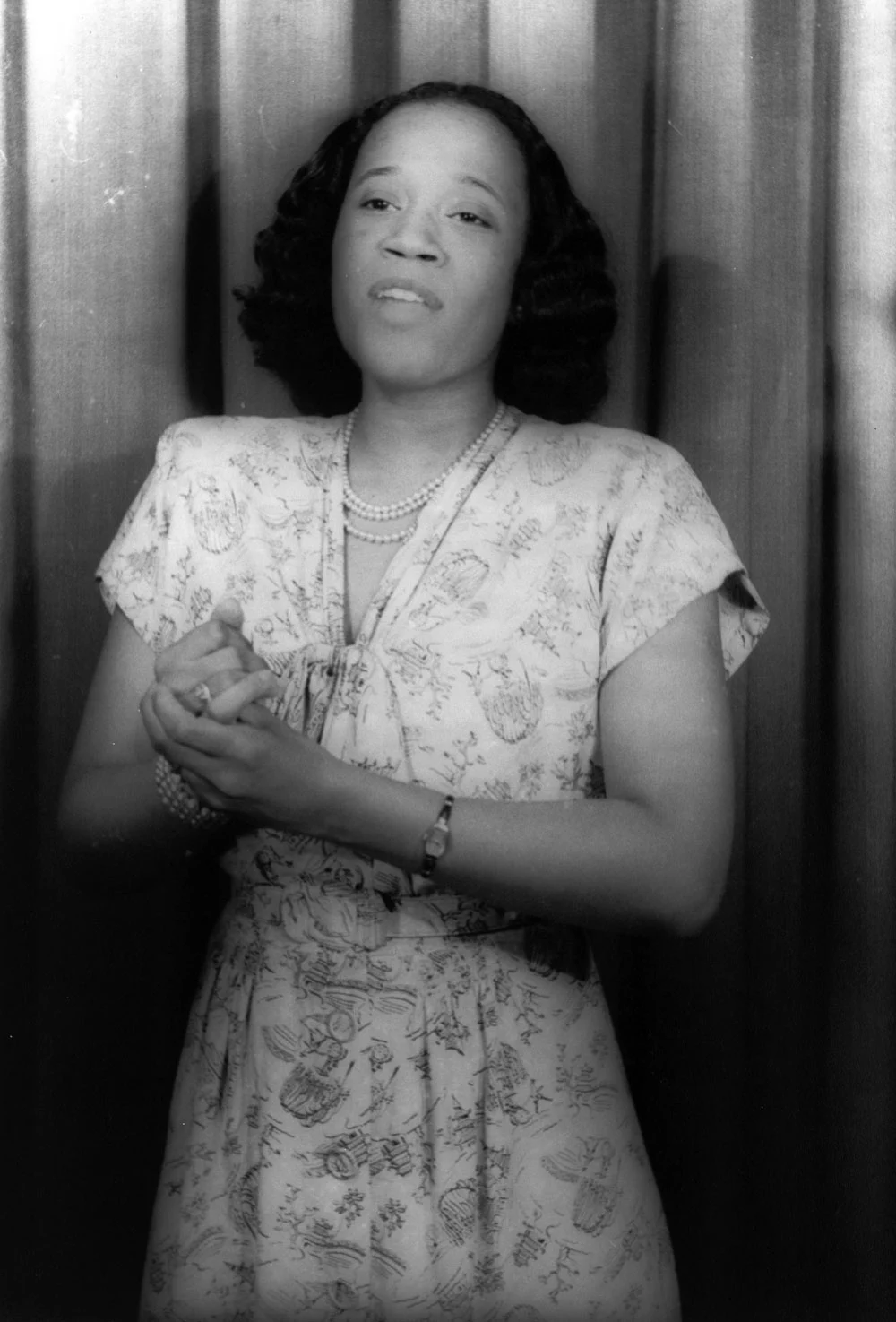
Image provenance · CIE 100/100
Assessment applies to the credited image record and its editorial context. Image delivery and the pictured event’s current status are not certified by a score. Receipt: 38ce45a4-2e41-4ac1-b4e8-a02bc513bd80
Image & publication standards →In this story
Look before reading the caption
Choose a public archive photograph with a clear item record. The Library of Congress offers a primary-source analysis tool built around observing, reflecting and asking questions.
Begin with what is visible: clothing, objects, signs, buildings and the photographer’s viewpoint. Give each person a moment to notice something independently.
Reading the existing caption afterward makes it easier to distinguish your own observation from information supplied by the catalog.
Separate three kinds of statement
Write one sentence beginning with what you can see, one with what you think it might mean and one with what you want to investigate. A crowded room is visible.
The claim that everyone enjoyed the occasion is an interpretation. A sign might identify a location, but a cropped image may conceal the larger setting.
Encourage children to revise an idea when another detail appears. Changing a conclusion in response to evidence is progress, not losing the activity.
Compare without forcing a match
Smithsonian Learning Lab offers collections that can support image-based learning. Find a second image related to the first by subject rather than merely by color or mood.
Compare a classroom with another classroom or a work tool with another example of that tool. Note dates and locations.
If the two pictures came from different communities, say so. A comparison can reveal a question about design or daily life without proving that every place shared the same experience.
Publish a caption someone else can check
A useful caption names the object or scene, links to its archive record and includes the date as precisely as the record allows. Keep uncertainty visible: approximately, unidentified and possibly are meaningful words when they reflect the source.
Add a short image description for readers who cannot see the photograph. Before putting the work online, check the item’s reuse statement.
The family’s original observation can be shared even when the image itself cannot. A strong result is not the longest caption; it is a caption that lets another reader retrace the evidence.
Cultural & community review
Assessment passed This recorded version passed its cultural and community assessment.
- Reviews the cultural and community context of this editorial item.
- Source, rights and publisher checks remain separate.
- It does not score people or certify every fact.
Read the assessment record & limits
- This record applies to the identified content revision. Later changes require another assessment.
- Asset
- gj:article:gj26-photograph-detectives-family-table
- Engine
- ct.algorithm.cie.v1 · 1.0.1
- Receipt
- 5fcce77c-e651-486b-bada-56ea12567a99
- Assessed
- Revision
- sha256-cfc6ecf8d2245225ebcd7bbb3cabf3286fff822c8cf25a9813ff7e1a47c36b99
- Record state
- eligible · PASS
- Binding
- BOUND
Sources & verification
Observation, reflection and questioning framework.
Read the sourceCollection-based learning resources.
Read the sourceThis article was written with AI assistance from the linked sources. No firsthand interview or visit is implied. Source dates and limits are identified in the reporting. Advertising does not determine editorial coverage. Request a correction or read our standards.
EVERY NEIGHBOR HAS A VOICE
Keep the conversation going.
Share experiences, ask questions and link evidence for factual claims. Automated checks assess each version; posts that pass publish immediately with their CIE score and reasons. Comments are independent community discussion, not submissions to a government body.
Sign in to join · freeCommunity standards