History Food · Virginia
A kitchen cabin changes the way we tell Virginia’s food history
At Booker T. Washington’s birthplace, cooking belongs to the history of enslavement and family life.
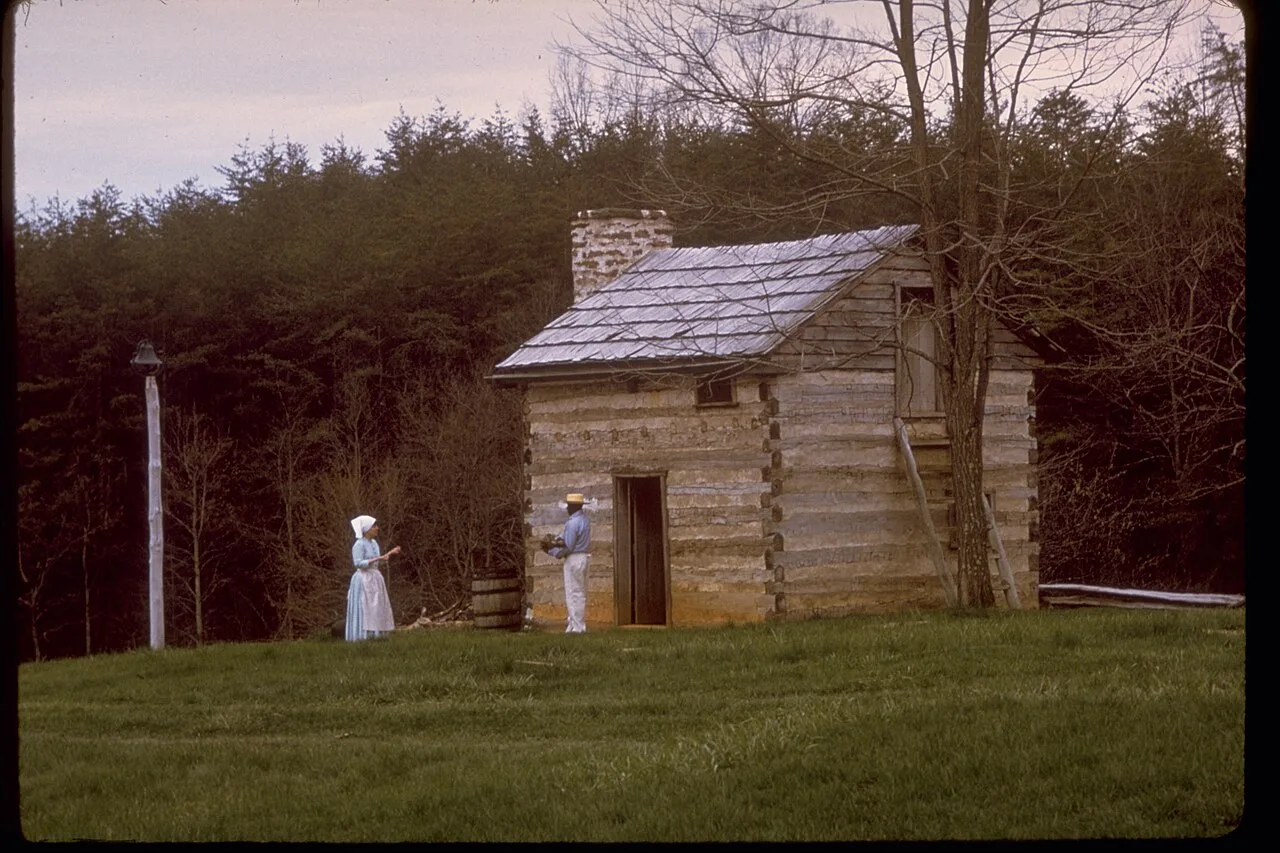
Image provenance · CIE 100/100
Assessment applies to the credited image record and its editorial context. Image delivery and the pictured event’s current status are not certified by a score. Receipt: d9233433-d608-44ff-8958-608572a5b2b1
Image & publication standards →In this story
Begin with the person doing the work
Booker T. Washington was born in 1856 to an enslaved plantation cook on the Burroughs farm in what is now the Hardy area.
The National Park Service explains that the cabin was both a kitchen and the family’s home. That physical arrangement changes a food-history discussion.
A meal in a plantation account is not only a list of dishes. It also represents work performed under enslavement, within a place where cooking for others and maintaining one’s own family life were inseparable.
Do not let a recipe erase conditions
A heritage feature can appreciate skill while clearly naming coercion. The Jamestown-Yorktown Foundation’s interpretation of enslaved foodways considers what families grew and prepared for themselves.
That is a different question from what appeared on an enslaver’s table. When reading an old menu, ask whose labor produced it and whose experience the surviving document records.
Avoid describing plantation life through hospitality alone. A beautiful table setting cannot explain whether the people who cooked the meal had enough food, freedom or control over their own time.
Visit with a focused question
A family can approach the site by asking how one space served different purposes. Observe the interpretation and distinguish reconstructed structures from surviving historic fabric.
For children, a direct explanation is enough: some people were forced to work and were denied freedom, and the site helps us learn about their lives. There is no need to invent a child’s conversation or turn another family’s suffering into a game.
Follow the park’s current visitor guidance and ask staff about the sources behind a particular detail.
Preserve names with the food
In local food writing, credit a known cook or source whenever the record supports it. Explain when a recipe is an adaptation rather than an exact historic reconstruction.
Family contributions should include permission, provenance and any uncertainty about dates or authorship. This approach makes the food story more substantial, not less enjoyable.
Virginia’s culinary history contains knowledge, survival and creativity, and readers deserve an account that recognizes the people who carried those skills while being honest about the conditions in which they worked.
Cultural & community review
Assessment passed This recorded version passed its cultural and community assessment.
- Reviews the cultural and community context of this editorial item.
- Source, rights and publisher checks remain separate.
- It does not score people or certify every fact.
Read the assessment record & limits
- This record applies to the identified content revision. Later changes require another assessment.
- Asset
- gj:article:gj26-kitchen-cabin-food-labor
- Engine
- ct.algorithm.cie.v1 · 1.0.1
- Receipt
- e4f7f45c-a102-4a9f-bde9-ce079ba61732
- Assessed
- Revision
- sha256-16f6ab79d42740dd8b670cbc98d0843fe492cc3ea7a8444d5f764312434203e1
- Record state
- eligible · PASS
- Binding
- BOUND
Sources & verification
Birthplace, enslaved mother’s cooking work and kitchen-cabin setting.
Read the sourceOfficial interpretation of food grown and prepared by enslaved families.
Read the sourceThis article was written with AI assistance from the linked sources. No firsthand interview or visit is implied. Source dates and limits are identified in the reporting. Advertising does not determine editorial coverage. Request a correction or read our standards.
EVERY NEIGHBOR HAS A VOICE
Keep the conversation going.
Share experiences, ask questions and link evidence for factual claims. Automated checks assess each version; posts that pass publish immediately with their CIE score and reasons. Comments are independent community discussion, not submissions to a government body.
Sign in to join · freeCommunity standards