Explainer Business · Virginia
Indoor agriculture’s next business question is what each harvest costs
Danville’s research center offers a basis for examining a growing system, not a guaranteed return.
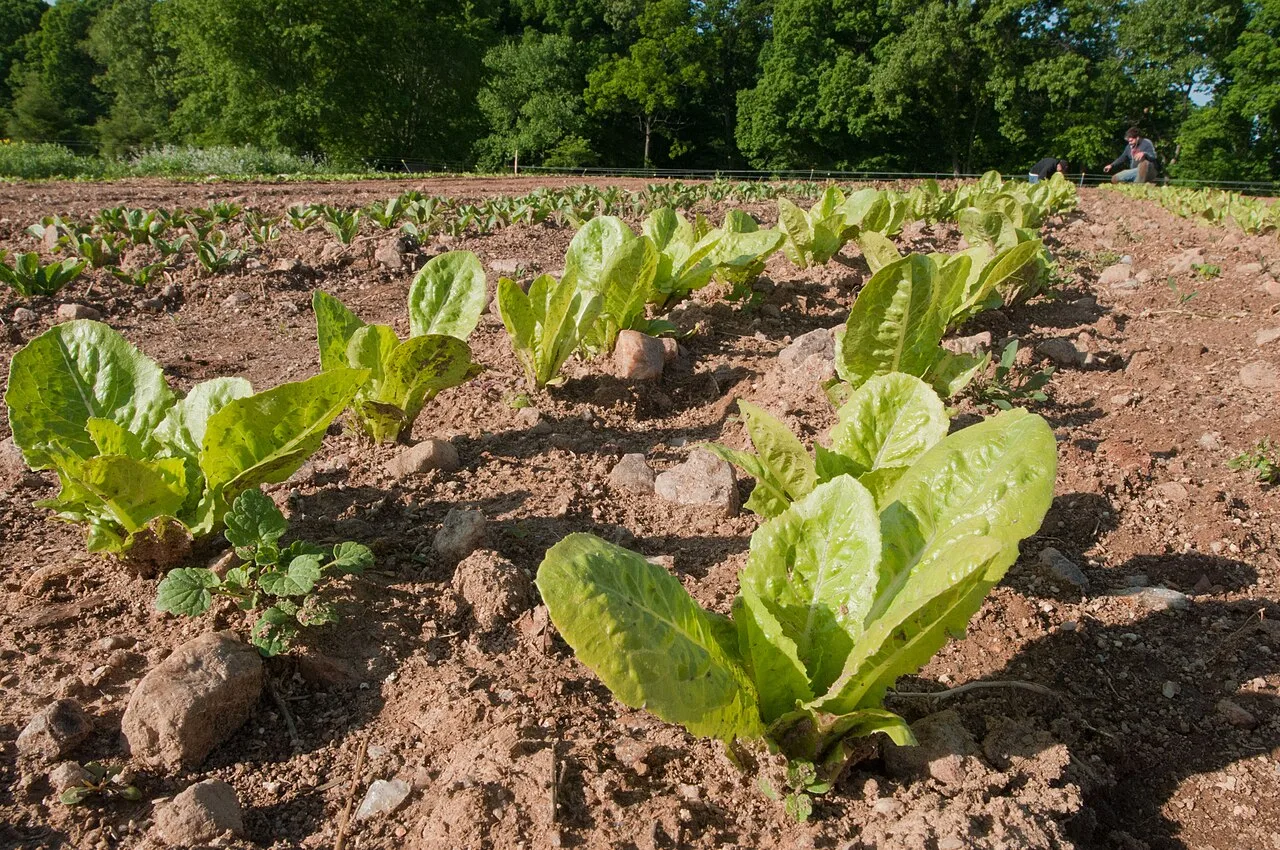
Image provenance · CIE 100/100
Assessment applies to the credited image record and its editorial context. Image delivery and the pictured event’s current status are not certified by a score. Receipt: e9519c46-3055-421d-b320-b83543d61d4f
Image & publication standards →In this story
A regional research base exists
IALR and Virginia Tech operate a Controlled Environment Agriculture Innovation Center in Danville. Its work concerns systems in which growers manage conditions such as light, temperature, water and nutrients.
That is a real research base for considering future agricultural businesses in Southside. It is not evidence that every crop belongs indoors or that every facility will be profitable.
This outlook focuses on the questions a prospective grower can ask before turning an interesting demonstration into a commercial investment.
Count the whole crop cycle
A crop growing quickly is only one part of the business. A planning worksheet should follow seed or starts through growing, cleaning, harvest, packaging and delivery.
Include labor time that happens between crop cycles, such as sanitation and equipment maintenance. Record the amount sold rather than only the amount harvested.
A buyer who needs a consistent weekly quantity is evaluating something different from a visitor admiring healthy plants. The useful comparison is a complete operating cycle under stated conditions, not an isolated photograph or best-performing tray.
Test a buyer’s requirement
Before proposing a large installation, identify the product and specification a real customer would consider. Ask about pack size, delivery frequency, acceptable variation and the process for rejecting unsuitable product.
A hypothetical restaurant order is not a contract. A small, authorized trial can expose whether a crop and delivery pattern fit the customer’s kitchen.
Compare the outcome with other available production approaches. Outdoor growers, greenhouse operators and distributors may solve different parts of the same food-system problem rather than simply replacing one another.
Keep the outlook honest
Future reports should distinguish a research result, a proposed business and an operating producer with verified output. Public information should explain which stage has actually been reached.
For community readers, the questions extend beyond equipment: what skills will workers learn, how will the business manage resources, and who can afford its products? Those measures connect technological experimentation with useful regional development.
The strongest next step is a documented test that narrows uncertainty and leaves the grower free to revise the plan before committing to a larger build.
Cultural & community review
Assessment passed This recorded version passed its cultural and community assessment.
- Reviews the cultural and community context of this editorial item.
- Source, rights and publisher checks remain separate.
- It does not score people or certify every fact.
Read the assessment record & limits
- This record applies to the identified content revision. Later changes require another assessment.
- Asset
- gj:article:gj26-indoor-ag-business-outlook
- Engine
- ct.algorithm.cie.v1 · 1.0.1
- Receipt
- 0ed74304-9d84-444d-a534-43fa8c5b2979
- Assessed
- Revision
- sha256-4e2a15af6f287a691670958c76fe9f38a35ec480e8f7ffbcea740572cf0f366f
- Record state
- eligible · PASS
- Binding
- BOUND
Sources & verification
Research partnership, systems and regional purpose.
Read the sourceControlled-environment variables and production approaches.
Read the sourceThis article was written with AI assistance from the linked sources. No firsthand interview or visit is implied. Source dates and limits are identified in the reporting. Advertising does not determine editorial coverage. Request a correction or read our standards.
EVERY NEIGHBOR HAS A VOICE
Keep the conversation going.
Share experiences, ask questions and link evidence for factual claims. Automated checks assess each version; posts that pass publish immediately with their CIE score and reasons. Comments are independent community discussion, not submissions to a government body.
Sign in to join · freeCommunity standards