
Service guide Life · Nation
Two inputs or one USB microphone? Build the recording kit around the people in the room
A specification review of Scarlett 2i2, Volt 2, SM58 and ATR2100x-USB explains the connections that matter before checkout.
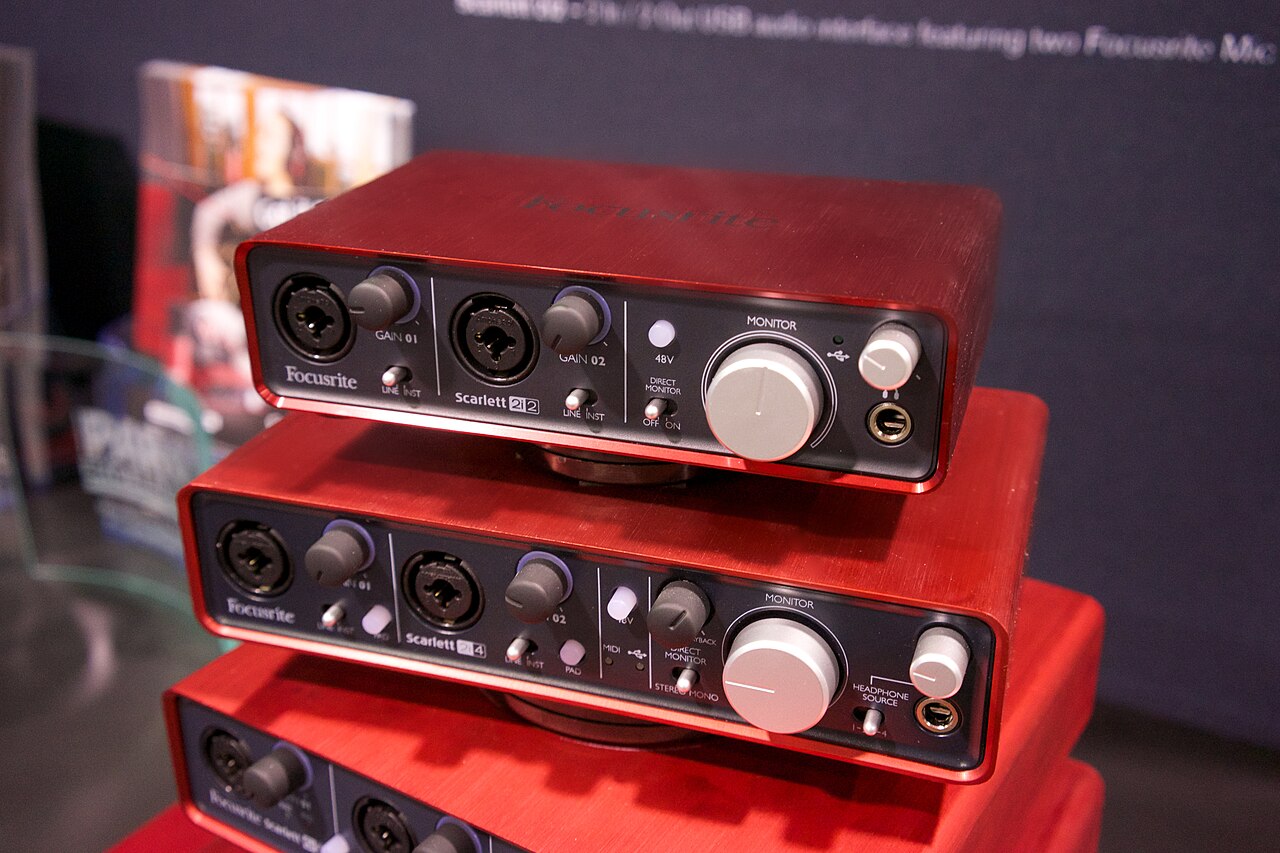
Image provenance · CIE 100/100
Assessment applies to the credited image record and its editorial context. Image delivery and the pictured event’s current status are not certified by a score. Receipt: d9206178-7dbf-42f8-a08a-9fad64fa97fa
Image & publication standards →At a glance
- Count sources that must be captured simultaneously.
- Loopback is not an extra physical microphone input.
- Compare a complete kit, including cables and stands.
In this story
Count simultaneous sources first
Before buying a recording interface, write down what must be recorded at the same moment. One singer overdubbing guitar is different from two people talking together; a stereo keyboard can occupy two inputs before another performer arrives.
This is a specification review based on manufacturer pages checked September 19, 2026. We have not measured noise, latency, durability or microphone sound.
For a Gretna rehearsal demo or community interview, draw the simplest connection list: source, microphone or cable, interface, computer and headphones. Put a question mark beside anything missing.
That list often reveals a necessary stand or adapter before a tempting software bundle distracts from the basic recording path.
Scarlett and Volt solve related connection problems
Focusrite's Scarlett 2i2 fourth generation lists two microphone preamps, two line outputs, one headphone output and loopback. Its documented features include Auto Gain and Clip Safe.
The manufacturer's checked U.S. page displayed $239.99; that is a dated listed price, not a verified checkout total or stock guarantee. Loopback is a computer-audio routing feature, so its presence should not be counted as another physical microphone socket.
Universal Audio's Volt 2 is also a two-input, two-output USB interface. Its specification lists two mic preamps, direct monitoring, one headphone output and five-pin MIDI input and output.
The MIDI connectors may matter to someone with older keyboards or drum machines. We are not assigning a sonic advantage to its Vintage mode or equating manufacturer descriptions with comparative listening results.
Both are candidates for a two-source recording setup. Ask whether either solves your next session and the likely one after it.
If three guests must be separately recorded together, these two physical inputs do not become three because a bundle includes more software.
The microphone changes the rest of the shopping list
Shure describes the SM58 as a cardioid dynamic vocal microphone. It is an example of the conventional microphone route that belongs in a complete recording chain, including the appropriate cable and input equipment.
Its familiar shape and long product history do not establish how your voice will sound in your room.
Audio-Technica's ATR2100x-USB provides both USB-C and XLR outputs, plus a headphone connection. Its supplied accessories include USB cables, an XLR cable and a small desk stand.
That gives a solo creator a direct-to-computer starting option and another connection path later. It does not establish that multiple USB microphones will work together in every recording application; confirm that particular setup before purchasing pairs.
Compare the complete kit and a returnable trial
Make two totals: everything needed on day one, and the additions needed for the next realistic project. Include stands, cables, headphones, storage, tax and any separately required power or adapters.
Do not value trial subscriptions as permanent software. If shopping used, ask which accessories and transferable licenses are actually included, then compare against the seller's written condition and return terms.
A useful personal audition records ordinary speech, a louder passage and a quiet pause from the intended seat. Listen for room noise, clipped peaks, handling bumps and whether you can hear the other person comfortably.
Keep position and playback volume comparable when trying another microphone. These observations guide your own purchase; they are not laboratory measurements.
Buy the smallest complete system that supports the number of performers you intend to record. A setup that can be assembled, monitored and put away reliably is more useful to a regular local production than an impressive collection that lacks one essential cable.
Cultural & community review
Assessment passed This recorded version passed its cultural and community assessment.
- Reviews the cultural and community context of this editorial item.
- Source, rights and publisher checks remain separate.
- It does not score people or certify every fact.
Read the assessment record & limits
- This record applies to the identified content revision. Later changes require another assessment.
- Asset
- gj:article:gj26-creator-interface-microphone-buying-method
- Engine
- ct.algorithm.cie.v1 · 1.0.1
- Receipt
- 3cccf18d-4e21-4706-ba83-2cc6aecce258
- Assessed
- Revision
- sha256-f450e8aa904aef1aeb45c404766d5786a4d0db2acb21631f52962994405f1aac
- Record state
- eligible · PASS
- Binding
- BOUND
Sources & verification
Physical I/O, loopback, gain features and displayed U.S. price. Checked September 19, 2026.
Read the sourceTwo-input interface, direct monitoring and MIDI connectors. Checked September 19, 2026.
Read the sourceDynamic cardioid microphone description. Checked September 19, 2026.
Read the sourceUSB/XLR outputs, headphone monitoring and included accessories. Checked September 19, 2026.
Read the sourceThis article was written with AI assistance from the linked sources. No firsthand interview or visit is implied. Source dates and limits are identified in the reporting. Advertising does not determine editorial coverage. Request a correction or read our standards.
EVERY NEIGHBOR HAS A VOICE
Keep the conversation going.
Share experiences, ask questions and link evidence for factual claims. Automated checks assess each version; posts that pass publish immediately with their CIE score and reasons. Comments are independent community discussion, not submissions to a government body.
Sign in to join · freeCommunity standards