
Explainer Science · Virginia
The Roanoke logperch needs a riverbed it can turn over
A fish with a useful snout connects Roanoke, Salem and Southside waterways to the science of clean gravel and connected habitat.
Checking whether this browser can read the story aloud.
Explore related topics
Sources & editorial review
Sites editorial review recorded for this exact revision. This AI-assisted article or learning resource includes source links and credited contextual imagery.
This is a local editorial review, not a canonical Cultural Imprint Engine assessment. No CIE score is claimed. Source review does not verify third-party playback, provider availability or image pixels.
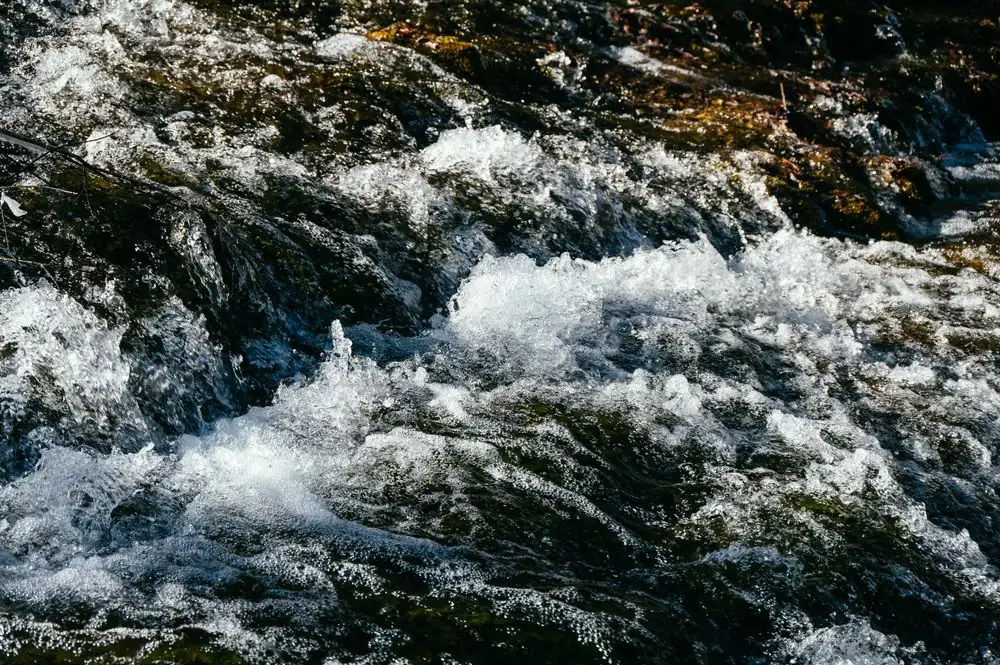
Photograph · source and license
The image, credit, reuse license, editorial context and delivered file are recorded in the exact Sites editorial review. This review is separate from the article’s canonical CIE assessment.
Image and publication standards →At a glance
- Roanoke logperch overturn small pebbles and shells to find invertebrates.
- Federal officials announced the species’ delisting in July 2025 after recovery and additional population discoveries.
In this story
A feeding tool on the river bottom
A Roanoke logperch hunts with its nose. The bulbous snout helps it overturn small pebbles and shells, exposing the invertebrates beneath them.
The fish is a darter, yet a large one by that group’s standards: the U.S. Fish and Wildlife Service describes individuals reaching about six inches.
Strongly patterned fins and an orange band on the first dorsal fin add visible distinction to an animal whose work happens close to the streambed.
Its habitat helps explain why river restoration is more than making a bank look tidy. FWS identifies warm, clear, larger streams with sand, gravel or boulders in riffles, runs and pools.
A riverbed is both a living surface and a food-finding place. Fine material covering that surface can change the conditions a bottom-feeding fish encounters.
A recovery with regional roots
FWS announced on July 21, 2025 that the logperch had recovered sufficiently for removal from the federal endangered and threatened list. The agency reported 14 occupied streams when the fish was listed in 1989 and 31 by 2019, including systems in Virginia and North Carolina.
It credited restoration, discoveries through monitoring and removal of obsolete barriers that reconnected habitat.
The upper Roanoke system places this story near Roanoke and Salem; the Smith, Pigg and Otter systems extend its relevance into the wider region. That distribution does not mean the fish inhabits every accessible reach.
It means regional conservation has to consider movement between suitable places as well as conditions within one place. A connected river with useful bottom habitat supplies something a picture of sparkling water cannot reveal: room for a small native animal to feed and persist.
Sources & verification
Official morphology, stream habitat and listed river systems; retrieved page October 3, 2026.
Read the sourcePrimary agency announcement supplies recovery chronology, occupied-stream comparison, feeding behavior and barrier-removal role.
Read the sourceThis article was written with AI assistance from the linked sources. No firsthand interview or visit is implied. Source dates and limits are identified in the reporting. Advertising does not determine editorial coverage. Request a correction or read our standards.
EVERY NEIGHBOR HAS A VOICE
Keep the conversation going.
Share experiences, ask questions and link evidence for factual claims. Automated publication checks apply to each submitted version. Comments are independent community discussion, not submissions to a government body.
Sign in to join · freeCommunity standards