
Explainer Science · Virginia
Appomattox’s grasslands need a disturbance story
Prescribed fire helps maintain open habitat and a historic landscape, with timing chosen for ecological reasons.
Checking whether this browser can read the story aloud.
Explore related topics
Sources & editorial review
Sites editorial review recorded for this exact revision. This AI-assisted article or learning resource includes source links and credited contextual imagery.
This is a local editorial review, not a canonical Cultural Imprint Engine assessment. No CIE score is claimed. Source review does not verify third-party playback, provider availability or image pixels.
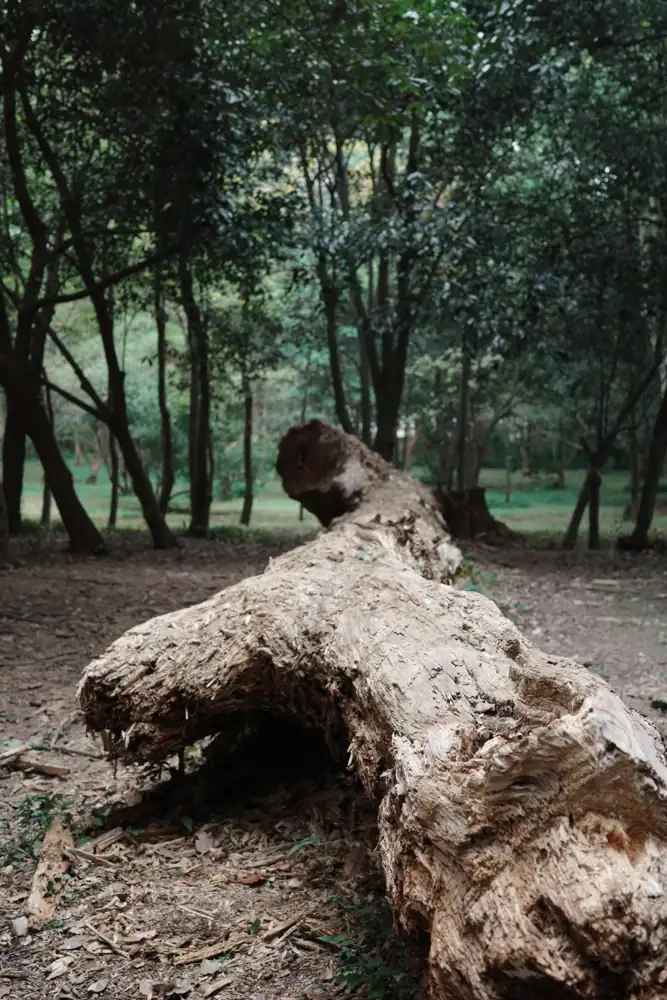
Photograph · source and license
The image, credit, reuse license, editorial context and delivered file are recorded in the exact Sites editorial review. This review is separate from the article’s canonical CIE assessment.
Image and publication standards →At a glance
- Open habitat can change as woody plants spread.
- An 84-acre September 2013 burn at Appomattox combined habitat and cultural-landscape objectives.
- A March 2022 burn announcement explains the controlled conditions required for ignition.
In this story
An open field does not stay open by itself
Appomattox Court House National Historical Park protects a landscape associated with the events of April 1865, but its living vegetation continues to change. Trees and shrubs can occupy land that people remember as open fields.
Maintaining a view across those fields therefore requires ongoing decisions about plants, land use and habitat. Preservation of a historic place includes ecological work in the present.
The park’s plant overview, last updated February 26, 2015, describes more than 590 acres of maintained open land, alongside approximately 1,100 forested acres with a dozen plant communities. Some fields were managed for hay or cattle pasture, while others supported native warm-season grasses, wildflowers and shrubs.
Those dated descriptions identify different types of open space; they should not be treated as a new 2026 acreage survey.
The difference affects wildlife. NPS explains that relatively uniform hayfields provide less variety of food and shelter than more diverse field communities.
Invasive-plant control and prescribed fire are among the management tools used to improve plant diversity. The goal is not simply to keep every field short.
It is to sustain particular combinations of vegetation and habitat.
A burn has a season and a purpose
On September 16–17, 2013, National Park Service crews treated 84 acres in four Appomattox fields with prescribed fire. The agency’s account identifies three objectives: reducing hazardous fuels, maintaining the cultural-landscape viewshed and improving habitat for field sparrows and northern bobwhite.
These goals overlapped in the same working landscape.
The timing was deliberate. The agency described late growing-season burning as an intervention when woody plants are moving essential nutrients toward their roots before fall dormancy.
Burning at that stage can reduce energy reserves and limit growth the following spring. The account also says managers expanded to growing-season treatments after evaluating results from the first prescribed-fire project in 2009.
This is adaptive management in a concrete form: an earlier treatment produces information, and that information helps shape the next treatment. It does not mean that burning at any time has the same effect or that a field’s response is immediate and permanent.
The biological calendar matters alongside the historical landscape managers seek to maintain. A field’s appearance after treatment is one observation; the plants that return and the habitat they form through subsequent seasons provide the fuller ecological result.
The prescription sets limits
A March 7, 2022 NPS announcement planned burns in four units, including Village, Ferguson, Upper Nash and Scott fields. It explained that ignition depended on favorable weather, fuel moisture and available resources, so exact burn dates could not be promised in advance.
The notice is archived and is not an announcement of a burn in October 2026.
The same notice described the intended effects: limiting encroaching woody vegetation, supporting native grasses and promoting native wildflowers. It also identified possible smoke near Route 24 and temporary trail closures.
Ecological management has consequences for the public using the landscape, which is why operational decisions accompany biological objectives.
For visitors from Appomattox, Lynchburg or Bedford, these records offer another way to understand a historic field. What appears to be empty space can be deliberately maintained habitat with a management history.
The park’s open land holds both a remembered human event and a continuing ecological process. Understanding disturbance helps explain how those purposes can share the same ground.
Sources & verification
Primary park overview supplies dated field/forest acreage, plant communities, open-land types and habitat-diversity objectives.
Read the sourceAgency account supports September 16–17, 2013 treatment, 84 acres/four fields, objectives, late-season mechanism and learning from 2009 fire. Updated December 14, 2017.
Read the sourceRetrieved archived release supports planned units, environmental conditions, objectives and public effects; not a live burn schedule.
Read the sourceThis article was written with AI assistance from the linked sources. No firsthand interview or visit is implied. Source dates and limits are identified in the reporting. Advertising does not determine editorial coverage. Request a correction or read our standards.
EVERY NEIGHBOR HAS A VOICE
Keep the conversation going.
Share experiences, ask questions and link evidence for factual claims. Automated publication checks apply to each submitted version. Comments are independent community discussion, not submissions to a government body.
Sign in to join · freeCommunity standards