
Explainer Food · Nation
A shared meal needs an ingredient trail
Keep the package and recipe information available when a diner needs to avoid an ingredient.
Checking whether this browser can read the story aloud.
Explore related topics
Sources & editorial review
Sites editorial review recorded for this exact revision. This AI-assisted article or learning resource includes source links and credited contextual imagery.
This is a local editorial review, not a canonical Cultural Imprint Engine assessment. No CIE score is claimed. Source review does not verify third-party playback, provider availability or image pixels.
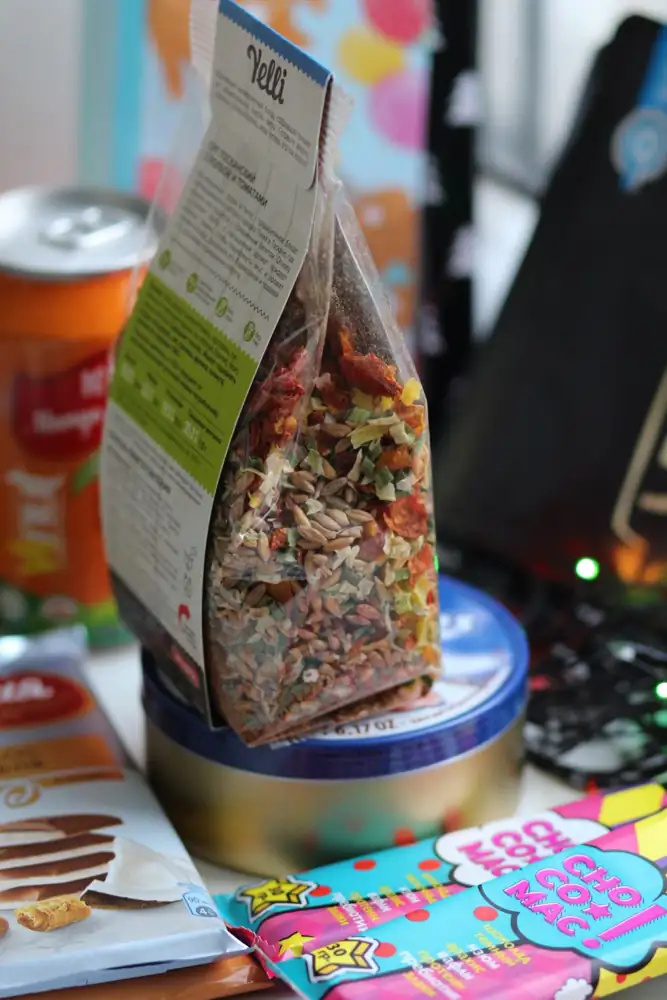
Photograph · source and license
The image, credit, reuse license, editorial context and delivered file are recorded in the exact Sites editorial review. This review is separate from the article’s canonical CIE assessment.
Image and publication standards →At a glance
- Packaged-food allergen information is more specific than a dish nickname.
- Recipes and ingredients can change.
- An ingredient list cannot establish the absence of cross-contact.
In this story
A dish name leaves things out
Chicken salad, cornbread or vegetable soup can describe many different recipes. A diner managing a food allergy needs to know more than the dish's familiar name.
FDA's label guidance explains the nine major food allergens recognized in federal law: milk, eggs, fish, crustacean shellfish, tree nuts, peanuts, wheat, soybeans and sesame.
These nine do not cover every possible food allergy. FDA's rules also do not apply identically to every kind of food.
USDA's Food Safety and Inspection Service explains ingredient and allergen information for meat, poultry and certain egg products. That makes the complete package information useful even when no separate bold contains statement is visible.
Keep the evidence near the meal
For a household recipe, retain the actual package labels of prepared ingredients, including sauces, mixes, broths and toppings. A remembered brand name is weaker evidence than the label of the package used today.
Formulations can change, and similar packages can contain different ingredients.
A host can write a straightforward recipe record showing the ingredients actually used and any substitutions. This is an editorially suggested communication practice based on the agencies' emphasis on reading labels.
It does not certify a dish as safe for a particular person, and it should never be used to pressure a diner to accept food against their own care plan.
A fictional substitution
Imagine an organizer prepares a bean dish with a bottled sauce. The recipe card lists the sauce's full name, and its package is available for inspection.
During preparation, the cook replaces it with another product. The old ingredient record must now be updated; the planned recipe no longer describes the served dish.
If the cook cannot establish which product was used, the honest answer is that the ingredient information is incomplete. Guessing that both sauces are probably similar is not a substitute.
A diner can then decide using their own needs and guidance rather than a host's unsupported reassurance.
A serving label can preserve the trail after packages move away from the table. It can name the dish and direct a guest to the ingredient record or designated cook.
Avoid compressing a complicated recipe into an unsupported symbol declaring it safe. The label helps locate information; the guest still decides whether that information is sufficient for their own needs.
Ingredients and contact are separate questions
A recipe record explains intentional ingredients. It does not prove what happened on a cutting board, utensil, serving spoon or production line.
FDA distinguishes allergen cross-contact from listed ingredients and explains that precautionary wording, such as may contain, is not a substitute for appropriate manufacturing controls.
For an actual shared meal, ask about preparation and serving practices as well as the recipe. Avoid making an allergen-free claim unless the relevant basis is established.
A separate serving spoon alone cannot establish everything that happened before a dish reached the table. The article offers information handling, not a clinical assessment or an emergency treatment plan.
Make uncertainty easy to hear
A useful response is specific: here is the current package label; this is the substitution we made; this part of preparation is unknown. That language helps more than calling a dish natural, homemade or healthy, none of which answers an allergen question.
For Gretna-area families and community cooks, clear ingredient communication can make a gathering more considerate without requiring guests to explain private medical histories to everyone present. Ask privately what information a guest needs, keep it accurate, and allow the guest to decline.
If detailed food-allergy management is required, the person's qualified health-care guidance and the organizer's applicable food-service requirements should guide the arrangement.
Sources & verification
Primary consumer guide to major-allergen declarations and label reading. Retrieved and checked against the available primary-source page or indexed official excerpt on October 3, 2026.
Read the sourcePrimary USDA overview of ingredient/allergen labeling and precautionary statements; no personalized food-safety guarantee. Retrieved and checked against the available primary-source page or indexed official excerpt on October 3, 2026.
Read the sourceThis article was written with AI assistance from the linked sources. No firsthand interview or visit is implied. Source dates and limits are identified in the reporting. Advertising does not determine editorial coverage. Request a correction or read our standards.
EVERY NEIGHBOR HAS A VOICE
Keep the conversation going.
Share experiences, ask questions and link evidence for factual claims. Automated publication checks apply to each submitted version. Comments are independent community discussion, not submissions to a government body.
Sign in to join · freeCommunity standards