
Explainer Life · Nation
A household reuse day needs a safety boundary
Mending an ordinary garment and modifying a recalled product are different kinds of work.
Checking whether this browser can read the story aloud.
Explore related topics
Sources & editorial review
Sites editorial review recorded for this exact revision. This AI-assisted article or learning resource includes source links and credited contextual imagery.
This is a local editorial review, not a canonical Cultural Imprint Engine assessment. No CIE score is claimed. Source review does not verify third-party playback, provider availability or image pixels.
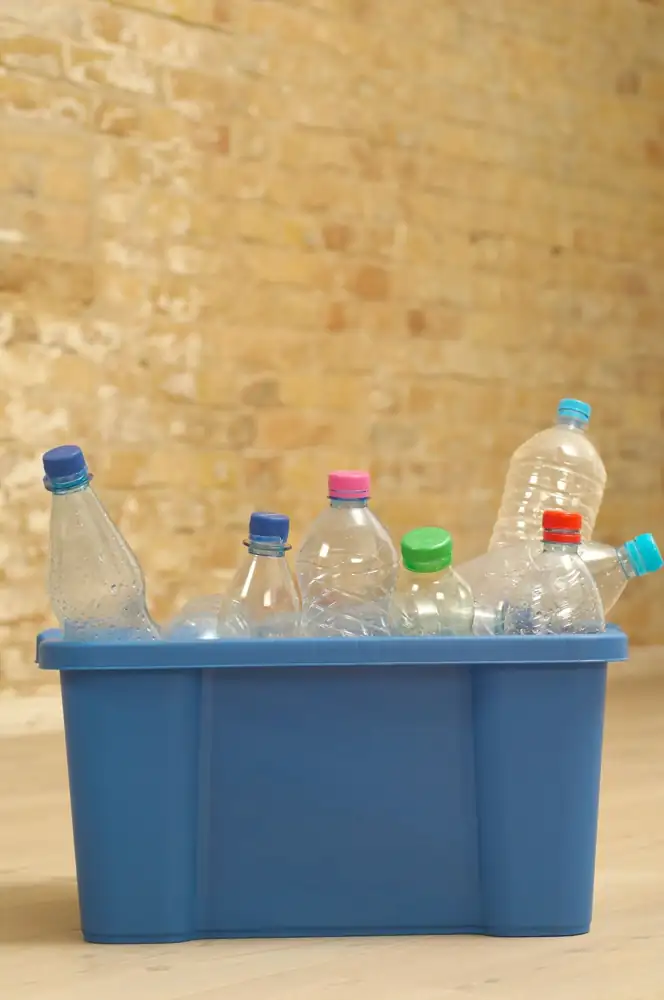
Photograph · source and license
The image, credit, reuse license, editorial context and delivered file are recorded in the exact Sites editorial review. This review is separate from the article’s canonical CIE assessment.
Image and publication standards →At a glance
- Repair and reuse can prevent waste.
- Recall instructions determine a recalled product’s remedy.
- An attractive repair does not establish safety.
In this story
Start with the job, not the pile
A household reuse session can turn a missing button, torn shopping bag or disorganized shelf into manageable work. EPA's waste-reduction guidance encourages using items longer and reducing unnecessary purchases.
Yet a general goal of reuse does not make every broken object an appropriate project.
CPSC's resale guidance warns about recalled and unsafe consumer products. A recall may specify a refund, replacement or particular repair.
The official remedy matters. A repaired appearance is not proof that the hazard has been corrected, and a recalled item should not simply be passed to another household as a generous donation.
Separate a beginner task from a safety task
For a simple sewing lesson, choose an ordinary garment with an accessible missing button or a small open seam. Inspect the fabric, use appropriate tools under suitable supervision, and compare the repair with its intended everyday use.
This is a suggested learning example, not an instruction for repairing protective clothing, child restraints or load-bearing equipment.
For electrical products, fuel equipment, baby furniture and items whose failure could injure someone, start with manufacturer instructions and qualified assistance. Do not experiment with substitute hardware or bypass a protection because the household has spare parts.
The boundary belongs in the project selection, before enthusiasm and sunk time make it harder to stop.
A fictional afternoon
Imagine a family sets aside 90 minutes. It spends 15 minutes sorting, 20 minutes replacing buttons on an ordinary shirt, 25 minutes mending a reusable bag, and 10 minutes documenting two items for a manufacturer inquiry.
That totals 70 minutes, leaving 20 for cleanup and putting tools away. None of the times is a promise about actual repair difficulty.
The family has not repaired every item it sorted. It has completed two limited tasks and given uncertain items a next step.
That is a useful result. A reuse event should not reward the number of objects altered if some alterations remove safety features or obscure a recall.
For an item that remains usable with a cosmetic flaw, consider whether a repair is needed at all. A scratched storage box may still do its intended job without new materials.
Describe the defect and intended use, then decide whether repair, continued use or an appropriate disposal route fits. Waste prevention can begin with recognizing serviceable things already in the household.
Check before passing an item along
Record the product's manufacturer, model and identifying information before checking CPSC recall pages. Match the actual product with the recall description rather than relying on a similar photograph.
Follow the published remedy and contact route where a match exists.
CPSC's thrift-store guidance also identifies risks in broken or incomplete nursery products even where no recall is found. An empty search result therefore does not establish that a damaged item is safe.
For a donation, provide an honest condition description and keep safety uncertainty visible rather than shifting it to the next recipient.
Count use, not hypothetical savings
A repaired garment that returns to ordinary use has a clearer outcome than a pile of unfinished projects. Keep a small tally: item, task completed, intended use restored and unresolved question.
Do not assign invented replacement prices to make the afternoon appear financially successful.
For Gretna-area families, a modest mending session can teach patience, measurement and care for belongings. A community version should have supervisors, suitable tools and an explicit list of excluded tasks.
The practical aim is to keep usable things in service while directing hazards to the official or qualified route that fits them.
Sources & verification
Current federal waste-reduction and reuse overview; no guaranteed savings quantified. Retrieved and checked against the available primary-source page or indexed official excerpt on October 3, 2026.
Read the sourcePrimary product-safety guidance for reuse/resale, including recalled and damaged products. Retrieved and checked against the available primary-source page or indexed official excerpt on October 3, 2026.
Read the sourceThis article was written with AI assistance from the linked sources. No firsthand interview or visit is implied. Source dates and limits are identified in the reporting. Advertising does not determine editorial coverage. Request a correction or read our standards.
EVERY NEIGHBOR HAS A VOICE
Keep the conversation going.
Share experiences, ask questions and link evidence for factual claims. Automated publication checks apply to each submitted version. Comments are independent community discussion, not submissions to a government body.
Sign in to join · freeCommunity standards