
History Business · County
Samuel Yates’s 1818 license made hospitality a recorded business
A tavern near Gretna connects a small house to the regulated work of receiving travelers.
Checking whether this browser can read the story aloud.
Explore related topics
Sources & editorial review
Sites editorial review recorded for this exact revision. This AI-assisted article or learning resource includes source links and credited contextual imagery.
This is a local editorial review, not a canonical Cultural Imprint Engine assessment. No CIE score is claimed. Source review does not verify third-party playback, provider availability or image pixels.
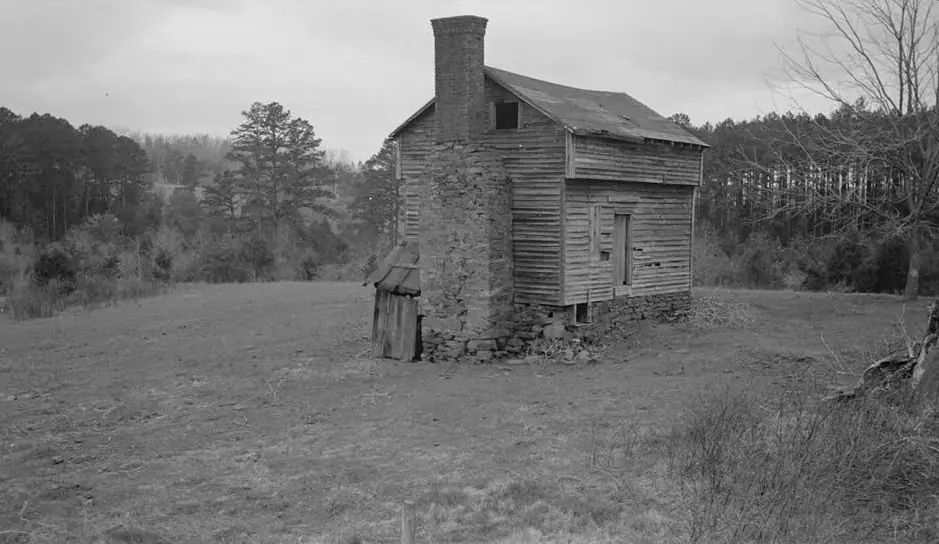
Photograph · source and license
The image, credit, reuse license, editorial context and delivered file are recorded in the exact Sites editorial review. This review is separate from the article’s canonical CIE assessment.
Image and publication standards →At a glance
- The 1974 nomination records tavern licensing in 1813 and 1818.
- A license establishes an authorized activity, not a complete guest list.
- The house’s construction date remains uncertain.
In this story
A household offered a public service
In 1818, Samuel Yates obtained a license to provide public entertainment at the place where he lived. The phrase described hospitality rather than a modern performance venue.
The 1974 National Register nomination for Yates Tavern also records an earlier payment by Stephen Yates for keeping a tavern in 1813.
Those entries place the small building near Gretna within the business of accommodating travelers. A home could also be a workplace, with hospitality subject to county recording and fees.
This is a more precise historical starting point than imagining a particular famous guest whose visit the available records do not establish.
A building larger than its footprint
The nomination describes a traditional hall-and-parlor plan: two principal rooms, a corner stair and an exterior chimney. Its weatherboard covering and compact form place it within ordinary domestic building traditions.
The tavern’s unusual upper-floor overhang attracts attention, but the licensed activity reveals another dimension of the house’s importance.
Receiving guests meant that private living space served people passing through the countryside. The surviving license information does not identify everyone who cooked, cleaned, tended animals or performed other work there.
A responsible account leaves those people visible as an unanswered historical question rather than supplying names or working arrangements without evidence.
Keep two kinds of dates apart
Virginia DHR cautions that the construction date is uncertain. An old-house reference may concern this building, but that possibility cannot provide a firm birthday.
The 1818 license is firmer evidence for a named person’s licensed business activity than for the age of every timber.
The county restored Yates Tavern during the 1970s bicentennial period, and it entered the National Register in December 1974. Those preservation milestones describe a later community decision: an everyday place of travel and work deserved to remain part of Pittsylvania’s public memory.
Sources & verification
Register entry updated March 12, 2026; National Register listing December 19, 1974. Retrieved October 3, 2026. Primary administrative preservation record issued by Virginia DHR; the nomination includes original building inventory and documented historical research.
Read the sourceNomination prepared October 1974; describes 1813 and 1818 tavern licenses. Retrieved October 3, 2026. Primary administrative preservation record issued by Virginia DHR; the nomination includes original building inventory and documented historical research.
Read the sourceThis article was written with AI assistance from the linked sources. No firsthand interview or visit is implied. Source dates and limits are identified in the reporting. Advertising does not determine editorial coverage. Request a correction or read our standards.
EVERY NEIGHBOR HAS A VOICE
Keep the conversation going.
Share experiences, ask questions and link evidence for factual claims. Automated publication checks apply to each submitted version. Comments are independent community discussion, not submissions to a government body.
Sign in to join · freeCommunity standards