
History Business · County
Clifford’s crossroads served stagecoaches before they served motorists
The Amherst County settlement carried travel-related commerce into two transportation eras.
Checking whether this browser can read the story aloud.
Explore related topics
Sources & editorial review
Sites editorial review recorded for this exact revision. This AI-assisted article or learning resource includes source links and credited contextual imagery.
This is a local editorial review, not a canonical Cultural Imprint Engine assessment. No CIE score is claimed. Source review does not verify third-party playback, provider availability or image pixels.
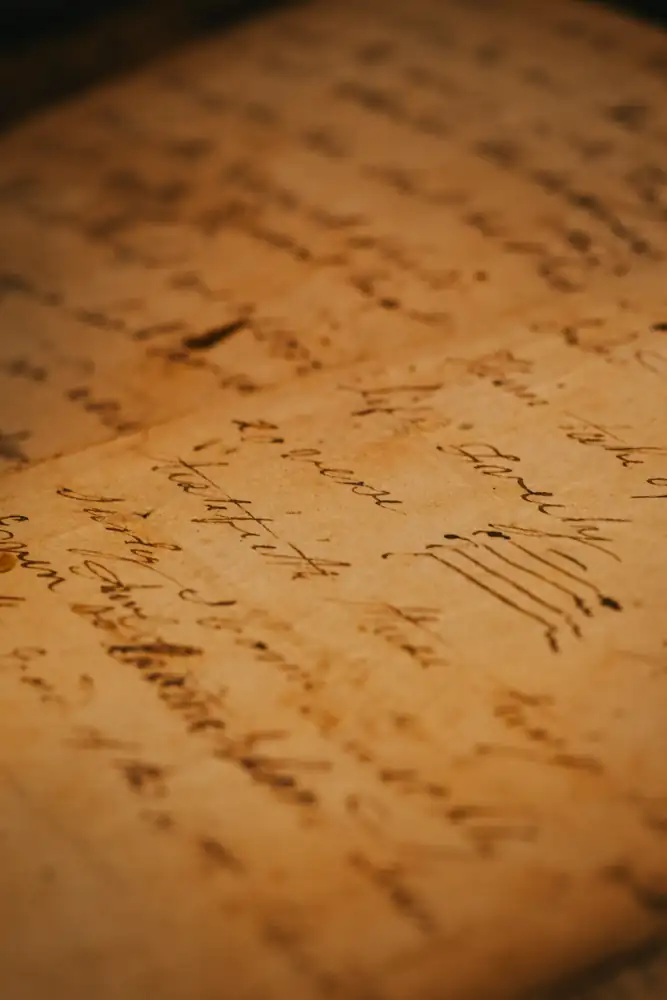
Photograph · source and license
The image, credit, reuse license, editorial context and delivered file are recorded in the exact Sites editorial review. This review is separate from the article’s canonical CIE assessment.
Image and publication standards →At a glance
- The district contains buildings dating to about 1772.
- Stage roads brought taverns, shops and trades to the village.
- Automobile commerce followed along U.S. 29.
In this story
A settlement at intersecting routes
The Clifford-New Glasgow Historic District centers on Amherst County’s oldest surviving settlement, according to Virginia DHR. Buildings date to about 1772.
The village developed where a Charlottesville–Lynchburg stage road met a route running from the James River across the Blue Ridge toward Lexington.
The crossroads supported services that travelers and local households could use: taverns, stores, a saddler, a blacksmith and a tobacco weigh station. These businesses connected a small settlement to journeys beyond it.
Their history shows why roads can matter to a community before there is a railroad station or a modern highway interchange.
The same corridor met new vehicles
During the first half of the twentieth century, the old stage-road corridor became a motorists’ stop along U.S. 29.
Gas stations, convenience stores and an auto-repair garage continued the village’s relationship with travel while changing the kinds of services that passing customers required.
The change did not make the earlier roadside economy disappear from the historical record. Saddlery and automobile repair answered different technical needs, but both depended on movement through the place.
The nomination’s long period of significance, approximately 1772–1961, recognizes that continuing commercial role across successive transportation systems.
A bypass altered the relationship
DHR records that many businesses closed or moved after a mid-twentieth-century Route 29 bypass was constructed. This was a change in the village’s relationship to through traffic.
The buildings remained historical evidence of earlier routes even when the flow of travelers increasingly followed another alignment.
Clifford’s story gives families a concrete way to discuss why a road change can reshape a local business center. It also keeps the chronology clear: stagecoach commerce, automobile commerce and bypass effects belong to different chapters.
A surviving tavern or service building should be understood within that sequence, rather than treated as a timeless roadside curiosity.
Sources & verification
Register entry updated June 2, 2023; National Register listing March 12, 2012. Retrieved October 3, 2026. Primary administrative preservation record issued by Virginia DHR; the nomination includes original building inventory and documented historical research.
Read the source2011 nomination; district period of significance circa 1772–1961. Retrieved October 3, 2026. Primary administrative preservation record issued by Virginia DHR; the nomination includes original building inventory and documented historical research.
Read the sourceThis article was written with AI assistance from the linked sources. No firsthand interview or visit is implied. Source dates and limits are identified in the reporting. Advertising does not determine editorial coverage. Request a correction or read our standards.
EVERY NEIGHBOR HAS A VOICE
Keep the conversation going.
Share experiences, ask questions and link evidence for factual claims. Automated publication checks apply to each submitted version. Comments are independent community discussion, not submissions to a government body.
Sign in to join · freeCommunity standards