
Service guide Life · World
A Broadcast WAVE file can carry a recording’s identity
A researched format lesson connects audio samples with the description that helps people use them.
Checking whether this browser can read the story aloud.
Explore related topics
Sources & editorial review
Sites editorial review recorded for this exact revision. This AI-assisted article or learning resource includes source links and credited contextual imagery.
This is a local editorial review, not a canonical Cultural Imprint Engine assessment. No CIE score is claimed. Source review does not verify third-party playback, provider availability or image pixels.
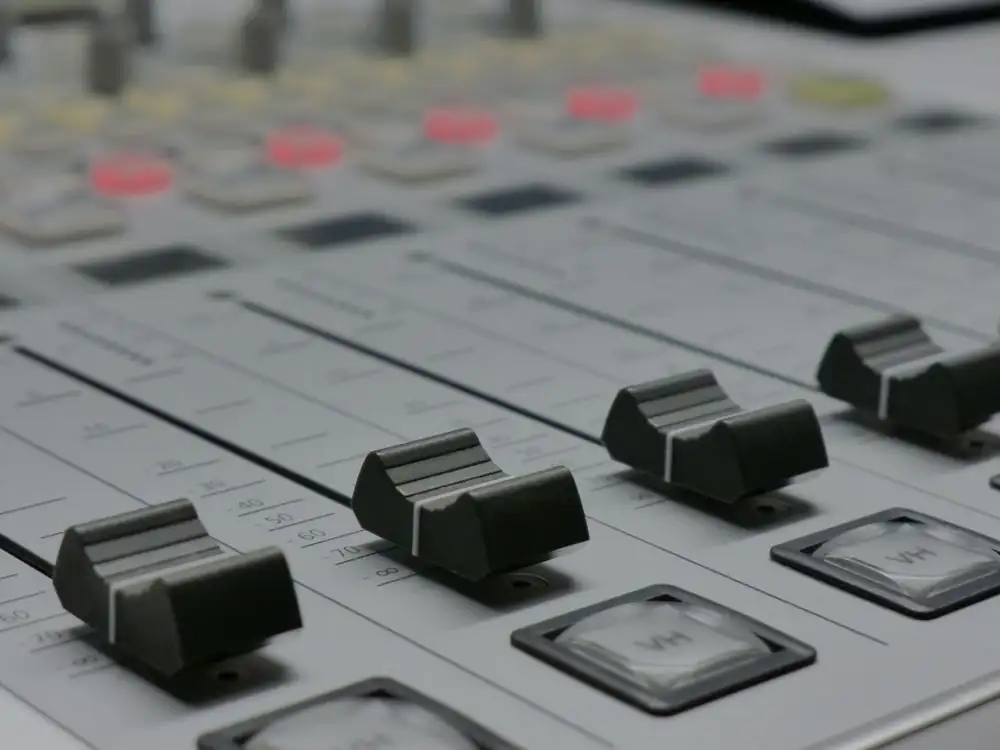
Photograph · source and license
The image, credit, reuse license, editorial context and delivered file are recorded in the exact Sites editorial review. This review is separate from the article’s canonical CIE assessment.
Image and publication standards →At a glance
- WAVE is a container family, not a complete quality description.
- Metadata and a separate descriptive record can complement each other.
In this story
Identify more than the extension
A filename ending in .wav is a starting point. The Library of Congress describes WAVE as a file-format family and documents Broadcast WAVE with linear PCM audio as a preservation format used in its audiovisual work.
Broadcast WAVE supports descriptive metadata within the audio file. This researched explainer is for teen and adult creators considering what to keep.
Imagine two recordings called interview.wav. One is a complete conversation; the other is a public excerpt.
Without additional description, a future listener may not know which person spoke, when the recording happened, or why part of it was withheld. File size and extension cannot answer those questions.
Write a record that can be checked
Create a short companion description with the recording’s title, creator, recording date, duration, language and relationship to other versions. Include only details that you can establish.
A remembered date should be labeled approximate rather than promoted to a precise timestamp.
If your software supports Broadcast WAVE metadata, use its documented fields carefully and verify the exported file. Keep the companion text as well, because another application may display only some embedded fields.
Record permission and access restrictions in an appropriate record; do not assume that an embedded title grants public-release permission.
Keep content and context together
Before shelving the file, play the beginning and ending and compare them with the description. Note whether it is a source recording or an edited version.
This small check, about twenty minutes for one file, cannot establish long-term preservation by itself. It does give the next person a stronger starting point than a folder full of unlabeled sounds.
Use a stable identifier in both filenames if your records system needs one, and check that the identifier refers to the intended version.
Sources & verification
Primary format description retrieved 2026-10-03; last significant FDD update 2024-04-23. Describes preservation usage and metadata-capable format.
Read the sourcePrimary format description retrieved 2026-10-03. Exact significant update date not captured; filename extension alone does not prove encoding.
Read the sourceThis article was written with AI assistance from the linked sources. No firsthand interview or visit is implied. Source dates and limits are identified in the reporting. Advertising does not determine editorial coverage. Request a correction or read our standards.
EVERY NEIGHBOR HAS A VOICE
Keep the conversation going.
Share experiences, ask questions and link evidence for factual claims. Automated publication checks apply to each submitted version. Comments are independent community discussion, not submissions to a government body.
Sign in to join · freeCommunity standards