
History Sports · Virginia
Write women’s sports history without making visibility a ranking
Team pages, opportunity data and yearbooks can illuminate different parts of a regional story.
Checking whether this browser can read the story aloud.
Explore related topics
Sources & editorial review
Sites editorial review recorded for this exact revision. This AI-assisted article or learning resource includes source links and credited contextual imagery.
This is a local editorial review, not a canonical Cultural Imprint Engine assessment. No CIE score is claimed. Source review does not verify third-party playback, provider availability or image pixels.
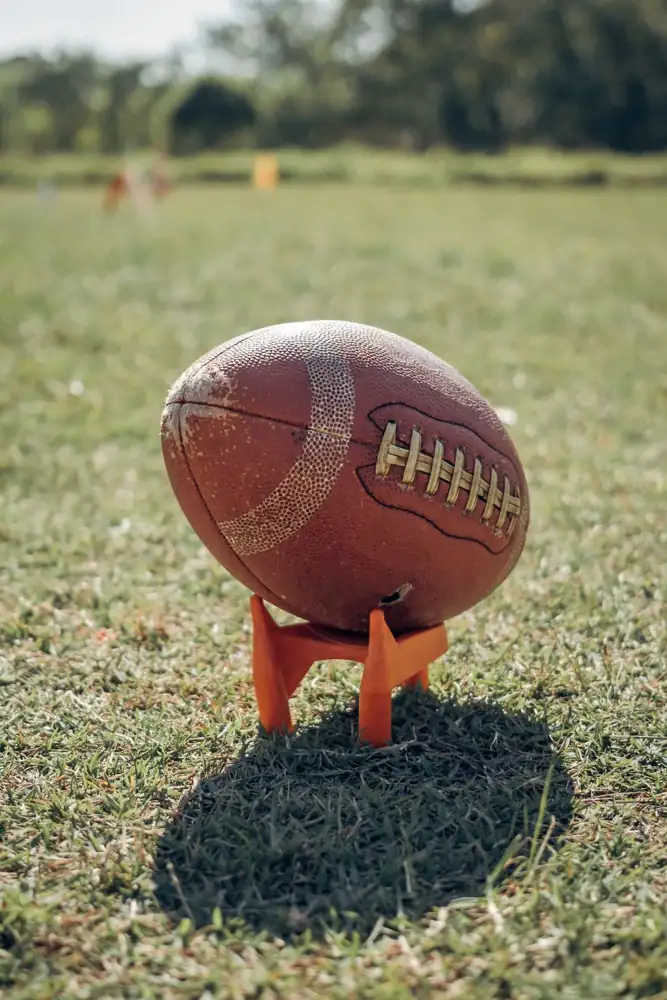
Photograph · source and license
The image, credit, reuse license, editorial context and delivered file are recorded in the exact Sites editorial review. This review is separate from the article’s canonical CIE assessment.
Image and publication standards →At a glance
- Opportunity, participation and publicity require different evidence.
- A missing item is a research gap, not proof of absence.
- Preserve ordinary seasons alongside documented achievements.
In this story
Begin with the history you want to understand
A regional women’s sports history can start with a practical question: what opportunities existed, who participated and how were those experiences documented? That inquiry is different from choosing the greatest athlete or counting the most prominent headlines.
It leaves room for teams, ordinary seasons and people whose contribution is visible in a roster or program but absent from a later list of honors.
This original research guide makes no new claim about a local championship, first team or individual achievement. It proposes ways to build a defensible account across Danville, Pittsylvania, Lynchburg and the Roanoke area.
The scope should remain explicit. A college program’s history cannot automatically explain a high school’s experience, and one institution’s archive does not stand for every athlete in the region.
Use sources for different questions
Averett’s athletics history page provides an institutional overview of its program’s development. The Department of Education’s Equity in Athletics database describes annually submitted college athletics data under the Equity in Athletics Disclosure Act.
The Library of Virginia lists a public-school yearbooks project. These sources offer different evidence: an institutional narrative, reported college program data and contemporary school publications.
They should be read together without being treated as interchangeable.
The Department of Education also maintains a Title IX and athletics resource page. It is an official starting point for the policy context, not evidence that any named local institution complied with or violated a requirement.
This article offers historical research questions rather than a legal finding. For a specific present-day concern, use the institution’s appropriate contact and current authoritative guidance.
Ask about opportunity before measuring prominence
An original project worksheet can begin with a table of institutions and selected years. Give each row fields for the sport, competition level, source and what the source actually establishes.
A yearbook page might establish that a team was pictured and named. A roster might identify participants for a season.
Neither alone establishes the full history of access, resources or student interest.
If a sport is absent from one publication, write not found in this source rather than did not exist. Seek another contemporary source before drawing a conclusion.
The publication may be incomplete, selective or unavailable for the relevant year. Keep the search log, including the collections consulted and the dates covered.
An absence becomes a clear research gap instead of a confident but unsupported historical assertion.
Read numbers with their definitions intact
College athletics data can help frame questions about participation and program structure, but a reader must preserve the reporting year and definitions. Do not merge different years into a current total.
Do not apply a college reporting category to a high school merely because the same sport name appears. A data field should be described in the language of the source before it is used in a comparison.
For an original exercise, take a blank comparison table and decide what would need to match before two entries could be compared fairly. Consider institution type, season, sport, competition level and the definition of a participant.
Then mark the cells that the available sources cannot fill. A table with visible gaps teaches more than a ranking built from mismatched denominators.
The exercise reports no actual institutional figures.
Recover names and roles carefully
When a contemporary roster identifies an athlete, preserve the exact spelling and season. If a later source uses a different name, establish the connection from a reliable record or the person’s own authorized account rather than assumption.
A shared surname, hometown or photograph resemblance is a lead, not an identification. Avoid publishing sensitive personal information merely because it appears in a historical item.
Look for documented contributors around the team as well: coaches, managers, support staff and people who organized facilities or transport. Describe a role only when the source supports it.
A history can show how sport was sustained without assigning an imagined motive to the people involved. If interviews are later conducted, record consent and distinguish recollections from contemporary evidence.
No interview has been conducted for this draft.
Give ordinary seasons narrative space
A story does not need a record-breaking event to deserve preservation. A verified team photograph, a program and a season schedule can reveal routines and relationships worth investigating.
Ask what the sources show about the time and place, then keep unanswered questions visible. A modest archive entry can be the beginning of a richer history when more evidence becomes available.
One original editorial exercise is to draft a short account without the words greatest, historic or trailblazer. Use only what the documents establish.
Then consider whether any of those labels is necessary and exactly what evidence would support it. The point is not to diminish achievement.
It is to prevent a celebratory adjective from replacing the work required to explain why an achievement mattered.
Do not turn uneven coverage into unequal worth
Publications may give different amounts of space to different teams. Record that as a characteristic of the surviving coverage.
Do not conclude that a team had less community value because fewer pages remain. The archive itself has a history of selection, survival and access.
A reader should be able to see how those conditions shape the account.
Where possible, describe the collection’s limitations near the relevant conclusion. If only selected years have been examined, say selected years.
If one institution’s materials are unavailable, leave its story open. A regional narrative should not make an unexamined place disappear merely to produce a smooth chronological arc.
Responsible gaps invite contributions and keep the article honest about its present stage of research.
Build a history others can extend
The handover can include the scope, source table, verified names, open questions and correction process. Keep public narrative separate from restricted contact information and permission records.
Link readers to the official institutions and collections that informed the work. Invite a source contribution rather than asking people to affirm an already settled legend.
For Southern Virginia, this approach offers a useful balance: recognize documented achievement, preserve everyday participation and examine the evidence of opportunity without making ungrounded comparisons. The result is not a final ranking of women’s sports in the region.
It is a durable research path through institutions, seasons and sources, leaving space for the next verified document to deepen the story.
Sources & verification
Official institutional history; no milestone dates or team-first claims reproduced. Checked October 3, 2026.
Read the sourceOfficial college reporting database description; no figures extracted or compliance claim made. Checked October 3, 2026.
Read the sourceOpened official listing of the yearbooks partnership; no coverage completeness claimed. Checked October 3, 2026.
Read the sourceOfficial indexed policy-resource destination; HTML returned 403. No current legal interpretation or local finding made. Checked October 3, 2026.
Read the sourceThis article was written with AI assistance from the linked sources. No firsthand interview or visit is implied. Source dates and limits are identified in the reporting. Advertising does not determine editorial coverage. Request a correction or read our standards.
EVERY NEIGHBOR HAS A VOICE
Keep the conversation going.
Share experiences, ask questions and link evidence for factual claims. Automated publication checks apply to each submitted version. Comments are independent community discussion, not submissions to a government body.
Sign in to join · freeCommunity standards