
History Sports · Virginia
Build a season archive that can survive a missing scorebook
A community sports history needs provenance, gaps and corrections as well as the most memorable games.
Checking whether this browser can read the story aloud.
Explore related topics
Sources & editorial review
Sites editorial review recorded for this exact revision. This AI-assisted article or learning resource includes source links and credited contextual imagery.
This is a local editorial review, not a canonical Cultural Imprint Engine assessment. No CIE score is claimed. Source review does not verify third-party playback, provider availability or image pixels.
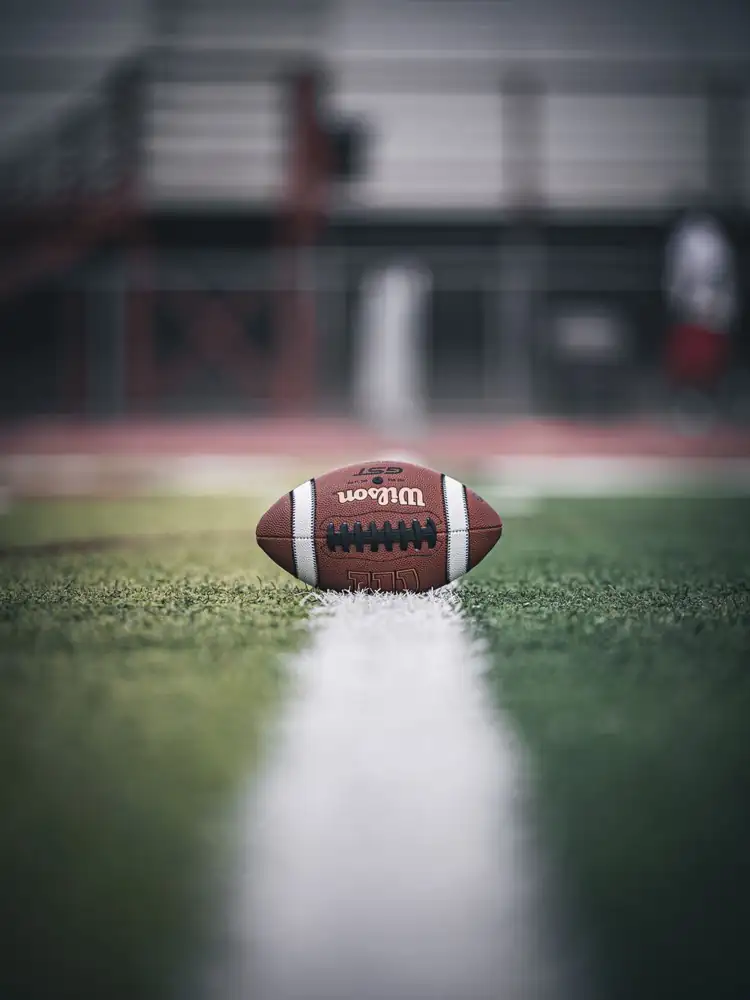
Photograph · source and license
The image, credit, reuse license, editorial context and delivered file are recorded in the exact Sites editorial review. This review is separate from the article’s canonical CIE assessment.
Image and publication standards →At a glance
- Inventory the evidence before writing a season narrative.
- Retain conflicts, missing events and the authority behind any record claim.
- Prepare a clear handover for the next researcher.
In this story
Choose a season you can describe honestly
A season archive should allow a future reader to understand both the team’s experience and the evidence behind the account. For Gretna and neighboring communities, that means resisting the temptation to begin with a sweeping record claim.
Choose one school, one sport and one season. Write the scope at the top of the project.
A focused archive is easier to check, correct and pass to another custodian.
VHSL’s athletics portal provides routes to sport-specific materials and championship information. The Library of Virginia’s Newspaper Directory identifies historical newspaper holdings, while Virginia Chronicle is a historical newspaper research destination.
The Library of Congress’ cultural documentation guidelines address project planning, description and consent. These are complementary source routes.
None establishes a local season result until the relevant dated item has actually been located and read.
Inventory before writing the story
Begin with what exists: scorebooks, schedules, newspaper clippings, programs, photographs, correspondence and recordings. For each item, record who holds it, what it says it is and whether it appears complete.
Keep the holder’s description separate from the description visible on the item. A family may know exactly where a clipping came from while the clipping itself has lost the newspaper date.
An original inventory exercise is to give each object a simple item number and one sentence of description. Add a second sentence for the open question.
A program might confirm two teams were listed to play while leaving the actual outcome unresolved. A schedule may show the plan but not a postponement.
An archive should preserve those differences instead of treating every object as if it reported a final result.
Build the event ledger slowly
Use one row for each event you can establish. Include date, teams or participants, venue if verified, source item numbers and status.
Suggested statuses are planned, completed with result verified, canceled or postponed when documented, and unresolved. These are editorial working labels, not claims about a particular local season.
Keep a field for the wording used in the source so that a later correction can be traced.
If two sources disagree, preserve the conflict in a note. Ask whether the items concern the same date, level or event.
A junior-varsity score can resemble a varsity line; a newspaper publication date can be mistaken for the game date. Do not choose the more exciting result.
Until the discrepancy is resolved, use wording that describes the conflict and the evidence needed to settle it.
A record claim needs a record authority
A season total can be calculated from a verified ledger, but that calculation does not automatically make it a school or state record. Establish whose list defines the record and what period it covers.
Keep classification changes, competition levels and sport definitions visible where relevant. This guide supplies no new wins, championship count or athlete ranking.
It proposes a method for checking such claims before they enter community memory.
When a total is incomplete, make the gap explicit. Write the number of documented events and the number still unresolved only after counting the actual ledger.
Do not label an incomplete series a complete season. A carefully marked partial archive remains valuable: another reader can see exactly what is missing and contribute the missing source without having to unwind an overconfident story.
Include the work around the contest
The archive can preserve the experience of people who do not appear in a statistical column. Managers, band members, grounds staff, families and other contributors may be part of the story when documentation supports their role.
Start with verified materials and invite people to describe their own involvement voluntarily. Do not invent a voice, quotation or recollection to make a historical article feel vivid.
If an oral-history interview is proposed, agree on the purpose, recording, storage and intended public use before conducting it. The Library of Congress emphasizes consent in cultural documentation.
Keep a narrator’s memory identified as memory and compare specific event claims with contemporary records where possible. An interview can illuminate what an experience meant while a scorebook answers the separate question of what was recorded.
Write with the gaps still in view
A useful finished article can move from a verified event to a broader question about the community without manufacturing an answer. Explain what the surviving sources show, what perspective each offers and what remains unknown.
A yearbook may emphasize selected highlights; a newspaper may give more space to some teams than others. The archive should not silently convert uneven surviving coverage into a judgment about whose effort mattered.
For an original drafting exercise, write one paragraph using only established facts, then a second paragraph containing the questions those facts raise. Review the transition.
If the second paragraph starts stating assumptions as conclusions, restore the question wording. This lets the article remain engaging while showing readers where further research belongs.
The absence of a document can be described without being made into proof of an event’s absence.
Leave a handover someone can use
Package the archive with a scope note, item inventory, event ledger, source links, correction history and a list of unresolved questions. Keep personal contact details separate from public research notes.
Identify who is responsible for the next review. Ask an appropriate repository about its collecting interests and transfer requirements before promising that it will accept the material.
Finally, distinguish an archive milestone from a historical discovery. A complete inventory is progress even if no new championship fact emerges.
A repaired source link is progress even if the story does not change. A verified name is progress even if several names remain uncertain.
For Gretna and its neighbors, this patient work gives sports heritage a durable form: someone else can find the evidence, understand the limits and continue the inquiry without starting from a rumor.
Sources & verification
Official sport and championship research routes; no local result transcribed. Checked October 3, 2026.
Read the sourceOfficial historical newspaper holdings directory. Checked October 3, 2026.
Read the sourceOfficial historical newspaper research destination; no issue search claimed. Checked October 3, 2026.
Read the sourceOfficial planning, description and consent context. The archive workflow is original editorial synthesis. Checked October 3, 2026.
Read the sourceThis article was written with AI assistance from the linked sources. No firsthand interview or visit is implied. Source dates and limits are identified in the reporting. Advertising does not determine editorial coverage. Request a correction or read our standards.
EVERY NEIGHBOR HAS A VOICE
Keep the conversation going.
Share experiences, ask questions and link evidence for factual claims. Automated publication checks apply to each submitted version. Comments are independent community discussion, not submissions to a government body.
Sign in to join · freeCommunity standards