
History Sports · Virginia
An old game film can preserve the town around the play
A sports archive grows richer when the camera’s surroundings receive the same care as the scoreboard.
Checking whether this browser can read the story aloud.
Explore related topics
Sources & editorial review
Sites editorial review recorded for this exact revision. This AI-assisted article or learning resource includes source links and credited contextual imagery.
This is a local editorial review, not a canonical Cultural Imprint Engine assessment. No CIE score is claimed. Source review does not verify third-party playback, provider availability or image pixels.
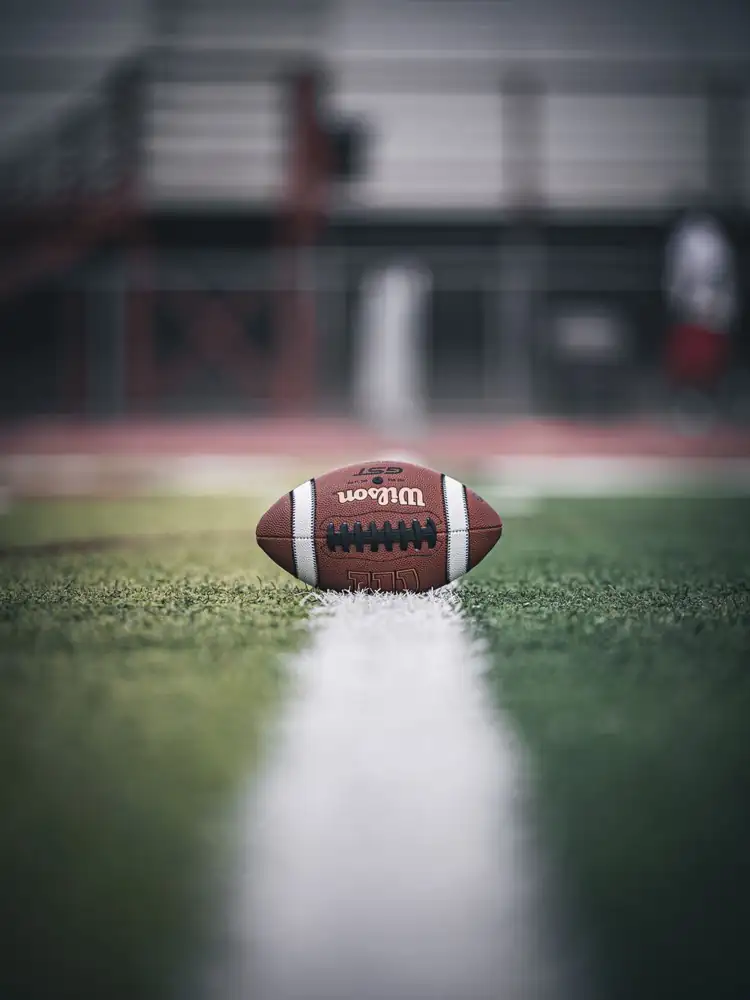
Photograph · source and license
The image, credit, reuse license, editorial context and delivered file are recorded in the exact Sites editorial review. This review is separate from the article’s canonical CIE assessment.
Image and publication standards →At a glance
- A recording documents context as well as play.
- Separate container labels, visible evidence and later recollections.
In this story
Look beyond the ball
An old football recording may carry several stories at once: the play on the field, the voice describing it and the people or buildings visible at its edges. The Library of Congress’ sports-broadcast collection demonstrates that recordings are a distinct historical source.
Its collections-care resources offer preservation guidance across formats. Neither source establishes the identity or date of an unexamined Gretna-area film.
For a family with a recording, the first task is description. Write down the format, any label on the container and who currently holds it.
Keep the exact wording of the label separate from your own interpretation. A handwritten Hawks game might be a useful clue, but it does not by itself establish an opponent, year or complete contest.
Do not force a confident caption onto an uncertain object.
Watch in two passes
An original viewing method begins with one pass devoted to the game and another devoted to context. In the first, note visible clock displays, uniforms, field markings and any spoken identification.
In the second, observe the band, spectators, sideline routines and landscape. Put a timestamp beside each observation.
That allows a later researcher to revisit the moment instead of relying on a general impression of the tape.
Keep observation and inference apart. The camera may show a sign clearly while leaving a face too blurred to identify.
A building’s appearance may suggest a period without fixing the year. Write the sign’s text exactly where legible; write the possible date as a question.
If a person offers an identification, record who offered it and when, and look for another source before using it as a confirmed caption.
Give the recording a recoverable story
Create a short descriptive record with a working title, duration if known, sound status, confirmed date or date range, owner and unresolved questions. If the recording has already been copied, note who made the copy and whether it appears complete.
A highlight reel and a full game are different sources. Editing choices can remove the very context that a later community historian needs.
Preserve a record of any proposed public use. Possessing a copy is not the same as knowing who can authorize publication, and a private family identification exercise need not become an online upload.
Ask a repository or qualified preservation professional about fragile or unfamiliar media before attempting playback. The paper notes can be valuable even while the recording remains safely untouched.
A modest archive goal
For a Gretna, Hurt or Altavista project, choose one recording and aim for a defensible description rather than a sweeping account of a season. A final note might say that a visible school sign is confirmed but the date remains uncertain.
That is useful progress. It preserves the road back to the evidence and lets another family contribute a program, newspaper page or differently labeled copy.
The town around the game deserves that patient attention.
A preservation conversation can begin with the notes alone. Bring the format description and questions to the appropriate repository before transporting an object or attempting a new copy.
Record any advice received and the identity of the adviser. That preserves responsibility for the next step and reduces the temptation to improvise with unfamiliar equipment simply because a compelling game may be on the recording.
Sources & verification
Historical institutional account of a sports-broadcast collection; no local film identified. Checked October 3, 2026.
Read the sourceOfficial preservation-resource portal; original description workflow is editorial synthesis. Checked October 3, 2026.
Read the sourceThis article was written with AI assistance from the linked sources. No firsthand interview or visit is implied. Source dates and limits are identified in the reporting. Advertising does not determine editorial coverage. Request a correction or read our standards.
EVERY NEIGHBOR HAS A VOICE
Keep the conversation going.
Share experiences, ask questions and link evidence for factual claims. Automated publication checks apply to each submitted version. Comments are independent community discussion, not submissions to a government body.
Sign in to join · freeCommunity standards