
Service guide Science · Virginia
A regional bus or rail trip begins before the departure board
Plan the first mile, the connection and the arrival help as carefully as the main ride.
Checking whether this browser can read the story aloud.
Explore related topics
Sources & editorial review
Sites editorial review recorded for this exact revision. This AI-assisted article or learning resource includes source links and credited contextual imagery.
This is a local editorial review, not a canonical Cultural Imprint Engine assessment. No CIE score is claimed. Source review does not verify third-party playback, provider availability or image pixels.
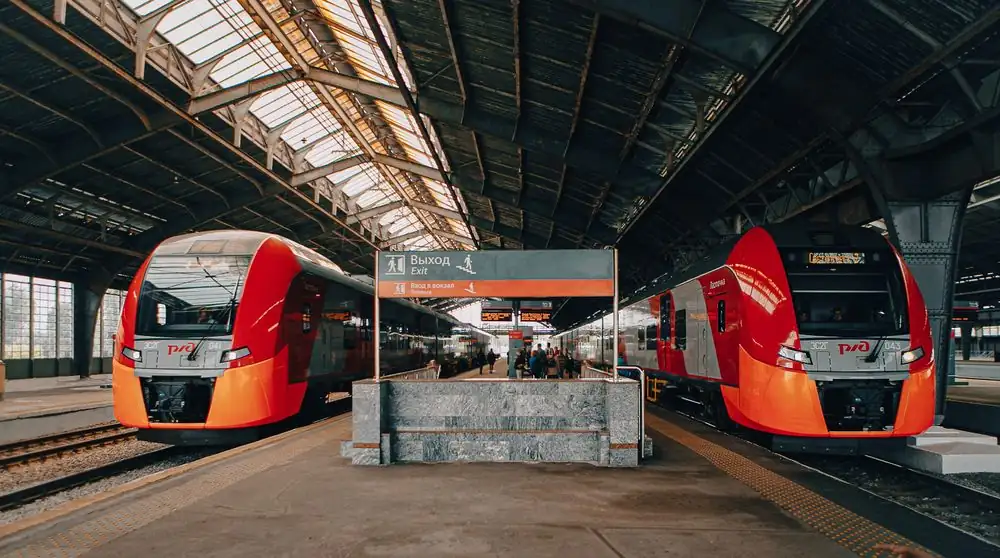
Photograph · source and license
The image, credit, reuse license, editorial context and delivered file are recorded in the exact Sites editorial review. This review is separate from the article’s canonical CIE assessment.
Image and publication standards →At a glance
- Plan the first and last miles along with the main ride.
- Confirm the actual stop, connection terms and assistance needs.
In this story
The long ride is only one part
Virginia Breeze’s official website identifies the Piedmont Express as a Danville–Washington, D.C. route and provides route and trip-planning pages. Amtrak provides official accessible-travel and station-accessibility information.
Those are useful starting points for a regional journey, but an intercity service description does not establish that a particular household can reach its departure point or that every requested assistance arrangement is already in place.
A Gretna-area traveler might first need a ride to a departure location. A traveler elsewhere may need a connection after arrival.
Rather than treating these as minor details, put them on the same planning page as the main journey. The exact stop, date and service selected matter.
This article supplies no live timetable, fare, booking or guarantee that a bus and train connection will work.
Work backward from the purpose
An original planning exercise starts with the appointment or event the traveler needs to reach. Write its place, required arrival time and flexibility.
Then work backward through the arrival transfer, main ride and trip to the departure point. Add a separate column for what has been confirmed.
A plausible sequence on paper is different from a sequence verified against the operators’ current schedules.
For each transfer, ask what happens if the incoming service is late. A connection involving separate tickets may require its own terms and contingency plan.
Check those terms with the responsible operator rather than assuming that one service will wait for another. Keep confirmation details available in a form the traveler can use when a phone battery, mobile signal or internet connection is unavailable.
Make assistance part of the booking inquiry
Amtrak’s station-accessibility page describes ways to request assistance. Its accessible-travel resources explain how to investigate station features and reservation needs.
Ask about the actual departure and arrival locations and the specific assistance required. A general accessible-service statement does not resolve every platform, boarding, luggage or connection question for an individual trip.
For a bus journey, read the current operator’s assistance and luggage information and ask any unresolved question before relying on a plan. Describe the needed accommodation plainly rather than assuming staff will infer it from a booking.
Record the answer, who provided it and whether any further step is required. Share personal information through the operator’s appropriate channel, not a public community itinerary.
Keep the trip easy to revise
Before departure, reopen the official schedule and stop information. Check for notices and confirm the first-mile ride.
A small printed plan can list the selected service, location, contact route and backup arrangement without exposing unnecessary personal details. After the trip, note what the traveler would change next time.
The infrastructure lesson is practical: regional mobility depends on the whole chain of travel, and the handoffs deserve the same attention as the longest leg.
When helping another person plan, ask how they prefer to receive the itinerary. A dense phone screen may be less useful than a short printed page or an audio explanation.
Verify the traveler understands the actual departure place and transfer arrangement. A plan becomes usable through that conversation, not simply because someone has assembled links to several transport services.
Give each unconfirmed connection a named follow-up contact and a date for checking it, so an unfinished plan cannot masquerade as a booked journey.
Sources & verification
Official route and planning context; no schedule or fare reproduced. Checked October 3, 2026.
Read the sourceOfficial route information; recheck the selected date and stop. Checked October 3, 2026.
Read the sourceOfficial assistance inquiry and station context. Checked October 3, 2026.
Read the sourceOfficial accessible-travel resource; individual arrangements not confirmed. Checked October 3, 2026.
Read the sourceThis article was written with AI assistance from the linked sources. No firsthand interview or visit is implied. Source dates and limits are identified in the reporting. Advertising does not determine editorial coverage. Request a correction or read our standards.
EVERY NEIGHBOR HAS A VOICE
Keep the conversation going.
Share experiences, ask questions and link evidence for factual claims. Automated publication checks apply to each submitted version. Comments are independent community discussion, not submissions to a government body.
Sign in to join · freeCommunity standards