
Service guide Life · Nation
Make the care estimate match the people who will bill you
For planned care without insurance payment, a useful estimate file separates providers, facilities and unresolved charges.
Checking whether this browser can read the story aloud.
Explore related topics
Sources & editorial review
Sites editorial review recorded for this exact revision. This AI-assisted article or learning resource includes source links and credited contextual imagery.
This is a local editorial review, not a canonical Cultural Imprint Engine assessment. No CIE score is claimed. Source review does not verify third-party playback, provider availability or image pixels.
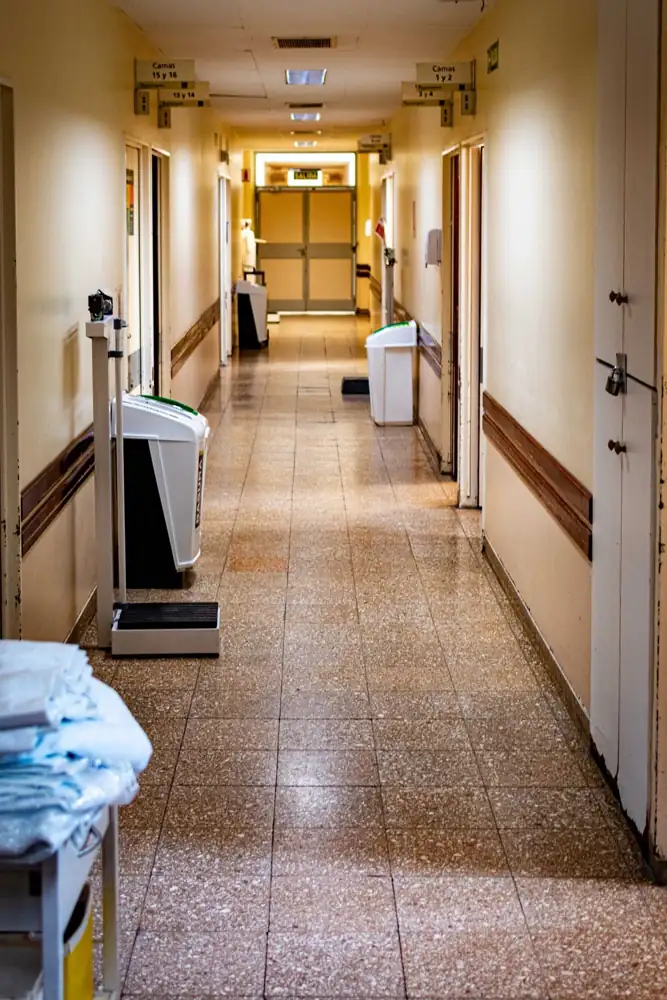
Photograph · source and license
The image, credit, reuse license, editorial context and delivered file are recorded in the exact Sites editorial review. This review is separate from the article’s canonical CIE assessment.
Image and publication standards →At a glance
- Ask whether the good-faith-estimate rules apply.
- One estimate may not cover every provider.
- Save the estimate beside the eventual bill.
In this story
Begin with how care will be paid
A planned appointment may involve a clinician, a facility and another provider whose name you do not yet know. If you are uninsured or do not plan to use insurance to pay for the care, ask about a good faith estimate.
CMS says providers usually must give one when requested or when care is scheduled at least three business days ahead. Its consumer page explains timing and exceptions.
CMS also explains that an estimate lists expected charges for a single provider or facility. Other services, separately scheduled care or unanticipated items may be outside it.
That makes a useful question for a Gretna patient traveling to a larger medical center: which people or organizations might bill me, and which estimate covers each? An estimate is a planning document, not a clinical recommendation.
Create a provider map
Use an original estimate worksheet with one row for each billing organization. Write the service, provider or facility, estimate requested, date received and question still open.
Start with the names the scheduling office gives you. Ask whether the facility bill and professional bill will be separate and where to request each estimate.
Do not combine different documents into an imagined total without noting what is included. If one office says a test will be ordered elsewhere, put that as an unresolved line until the relevant provider explains it.
Keep the appointment date and the request date visible so you can compare the response with official timing guidance.
Make the request easy to answer
A practical request can state the planned service and say you will not use insurance for payment, if that accurately describes your situation. Ask for the estimate in the format you prefer and for an itemized description.
Ask what changes would require the estimate to be revised. You may need a new conversation if the planned service changes.
Store the document with messages from the office. Add transportation, lodging or time-off planning on a separate household sheet; those practical costs matter, but they are not provider charges.
Separating them keeps the medical estimate readable while still showing what the trip requires of the household.
Use the file when the bill arrives
Compare the bill with the estimate by provider, date and service. Mark an unfamiliar charge as a question before assuming it is an error.
Ask for an explanation in writing when possible. CMS publishes consumer help for bills and a patient-provider dispute process for eligible uninsured or self-pay cases; its guidance should be checked for the exact requirements and deadlines.
For an original rehearsal, use blank documents labeled clinic and facility and imagine one additional charge appearing later. Identify which office should answer it and which paper supports your question.
The exercise can make the real call less confusing without predicting a result. If the process becomes difficult, ask about a patient advocate through the official CMS resources.
Keep the phone conversation usable
After a call, write the name of the department, the question answered and the next promised contact. If you were given several numbers, label each with its purpose.
A provider’s scheduling desk may not answer a billing estimate question, and being transferred twice can make it easy to lose the original request. End the conversation by repeating your understanding and asking where any remaining question belongs.
That short note can save having to reconstruct the exchange later.
Sources & verification
Eligibility context, request timing, provider-specific coverage and consumer-help links.
Read the sourceThis article was written with AI assistance from the linked sources. No firsthand interview or visit is implied. Source dates and limits are identified in the reporting. Advertising does not determine editorial coverage. Request a correction or read our standards.
EVERY NEIGHBOR HAS A VOICE
Keep the conversation going.
Share experiences, ask questions and link evidence for factual claims. Automated publication checks apply to each submitted version. Comments are independent community discussion, not submissions to a government body.
Sign in to join · freeCommunity standards