
Service guide Food · County
When the lights go out, put the refrigerator on a clock
A small outage log helps a Gretna household make food decisions from time and temperature.
Checking whether this browser can read the story aloud.
Explore related topics
Sources & editorial review
Sites editorial review recorded for this exact revision. This AI-assisted article or learning resource includes source links and credited contextual imagery.
This is a local editorial review, not a canonical Cultural Imprint Engine assessment. No CIE score is claimed. Source review does not verify third-party playback, provider availability or image pixels.
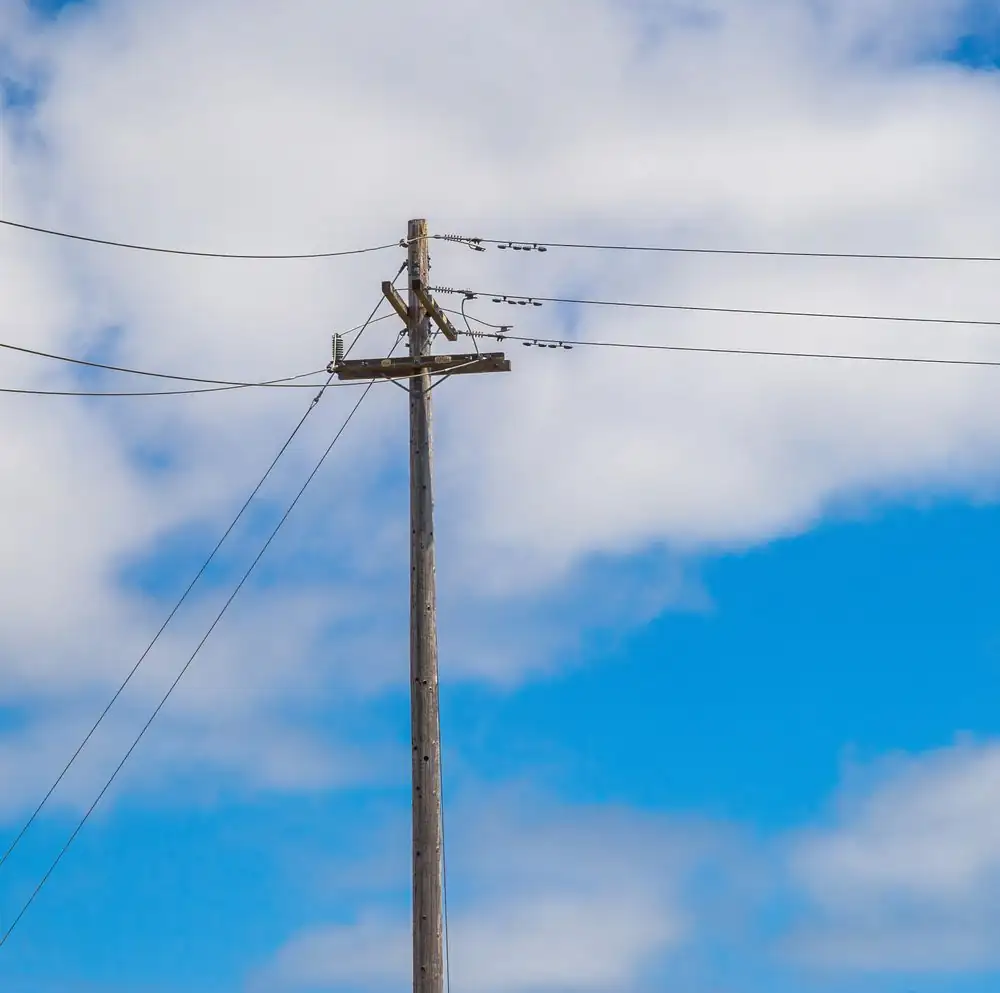
Photograph · source and license
The image, credit, reuse license, editorial context and delivered file are recorded in the exact Sites editorial review. This review is separate from the article’s canonical CIE assessment.
Image and publication standards →At a glance
- Keep the refrigerator closed.
- Use the federal chart for individual foods.
- Record when the outage began.
In this story
The first useful fact is the time
A power outage interrupts more than supper. A Gretna household may have milk for tomorrow, a packed lunch and leftovers from a meal shared with relatives.
Before opening the refrigerator to inspect everything, write down when the power stopped. A paper note on the counter works when the phone battery needs to last.
FoodSafety.gov says a refrigerator keeps food safe for up to four hours during an outage; keep its door closed as much as possible. Its guidance says to discard refrigerated perishables such as meat, eggs and leftovers after four hours without power.
Never taste food to decide whether it is safe. The federal chart distinguishes foods rather than treating every jar and package alike.
Make a decision station before a storm
Put the printed chart, a pencil and an appliance thermometer where an adult can find them. On the note, leave spaces for outage time, power restoration and the temperature observed when checking becomes necessary.
Record what you actually know; an estimate of when you woke up is different from a confirmed outage time.
For an original practice exercise, choose three imaginary items: unopened mustard, cooked rice and a container of raw chicken. Locate each on the chart before there is an emergency.
The purpose is to learn how to use the categories, not to memorize one rule for all food.
The next grocery trip
After an actual outage, list discarded items separately from the regular shopping list. That makes replacement needs visible without turning a stressful night into an argument about waste.
Keep a few meals in the household plan that do not depend on refrigerated ingredients. Decide who will manage the food log and who will check utility updates, so repeated door opening does not become everybody's task.
Sources & verification
Federal refrigerator and freezer guidance; item-by-item chart.
Read the sourceThis article was written with AI assistance from the linked sources. No firsthand interview or visit is implied. Source dates and limits are identified in the reporting. Advertising does not determine editorial coverage. Request a correction or read our standards.
EVERY NEIGHBOR HAS A VOICE
Keep the conversation going.
Share experiences, ask questions and link evidence for factual claims. Automated publication checks apply to each submitted version. Comments are independent community discussion, not submissions to a government body.
Sign in to join · freeCommunity standards