
Service guide Food · County
Find the point where good food loses its place
A one-week kitchen trial looks for the handoff that failed: purchase, preparation, portion or visibility.
Checking whether this browser can read the story aloud.
Explore related topics
Sources & editorial review
Sites editorial review recorded for this exact revision. This AI-assisted article or learning resource includes source links and credited contextual imagery.
This is a local editorial review, not a canonical Cultural Imprint Engine assessment. No CIE score is claimed. Source review does not verify third-party playback, provider availability or image pixels.
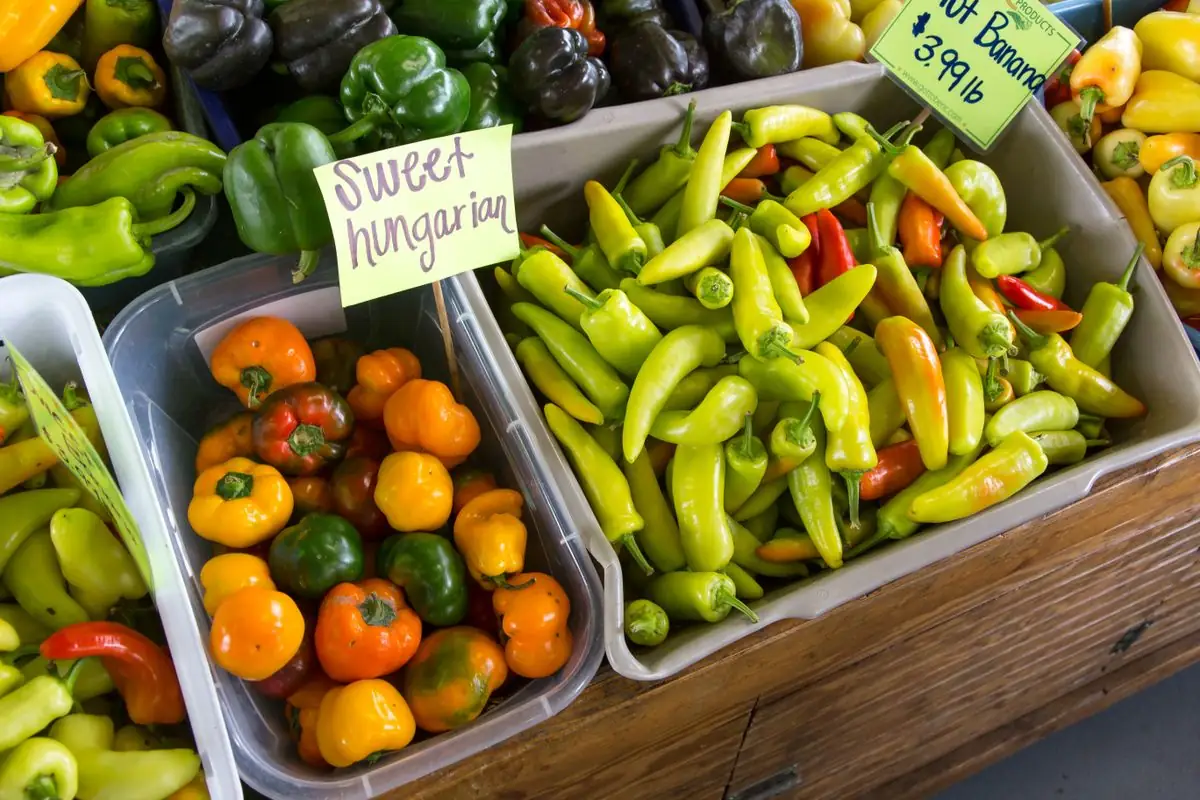
Photograph · source and license
The image, credit, reuse license, editorial context and delivered file are recorded in the exact Sites editorial review. This review is separate from the article’s canonical CIE assessment.
Image and publication standards →At a glance
- Track causes before buying storage products.
- Make near-term food visible.
- Keep food-safety decisions separate from thrift.
In this story
Measure the friction, not the guilt
A bag of greens can be bought with good intentions and still sit untouched while a household handles late shifts and school pickups. Instead of starting with a promise to waste nothing, observe one week.
EPA's household guidance connects food-waste prevention with planning, storage, preparation and appropriately sized portions. A useful local application is to identify where those steps stop working in your kitchen.
Create an original observation note for food discarded during the week. Record what it was, why it was discarded and which earlier decision could have changed the outcome.
Do not keep unsafe food for the experiment or taste it to make a point. The record is about the household process, not judging a person who became busy.
Four reasons lead to four changes
Use four working categories: bought without a meal; preparation needed time we did not have; cooked more than we used; and lost from view. A food may fit more than one.
If a vegetable needed chopping on the only crowded evening of the week, another storage container will not solve the schedule. If a prepared lunch disappeared behind a large pot, a visible location may help.
At the end of three days, pick one change that matches the main cause. For the unassigned purchase, write its meal before the next shop.
For preparation friction, select an ingredient you can manage in your actual routine. For excess portions, reduce the next batch.
For visibility, choose a clearly labeled near-term area without compromising safe refrigerator organization.
Do a handoff at the doorway
When groceries come home, ask who owns the next task. A shared household might assume somebody else will cut the fruit or put a planned ingredient on the supper list.
Say the task aloud or write it where meals are planned. Food may be correctly stored but still have no place in the next day's routine.
For unfamiliar products, use FoodKeeper or another reliable item-specific storage source. The tool was developed by USDA with Cornell University and the Food Marketing Institute to help explain food and beverage storage.
A household's own use-it-soon label is a planning reminder; it does not extend a product's safe life or erase its storage history.
Review the next purchase, not every past mistake
After seven days, review the categories and choose a shopping adjustment. Do you need a smaller package, a different ingredient, a simpler meal or a reminder on the refrigerator?
Keep the change modest enough to test for another week. Buying a bulk amount only helps if the household has a realistic way to use it.
This method suits both a Gretna grocery run and a market purchase farther away. It respects the work embodied in food without assuming every household has spare time, a large freezer or another adult to cook.
The result should be one visible improvement and a clearer explanation of the unfinished food, rather than a complicated tracking system that becomes another kitchen chore.
Include the person who eats differently
A household may contain different work hours, tastes or dietary instructions. Ask each person where their planned food is stored and how it is labeled.
Do not repurpose somebody’s prepared meal because it looks like an unclaimed leftover. Mark ownership and intended day when that helps.
The prevention trial should make food easier to find and use for the people who need it, rather than placing every item under one person’s idea of an efficient kitchen.
Sources & verification
Planning, storage, portions and prevention principles; numerical national savings claims omitted.
Read the sourceOfficial food-storage lookup and development attribution.
Read the sourceThis article was written with AI assistance from the linked sources. No firsthand interview or visit is implied. Source dates and limits are identified in the reporting. Advertising does not determine editorial coverage. Request a correction or read our standards.
EVERY NEIGHBOR HAS A VOICE
Keep the conversation going.
Share experiences, ask questions and link evidence for factual claims. Automated publication checks apply to each submitted version. Comments are independent community discussion, not submissions to a government body.
Sign in to join · freeCommunity standards