
Service guide Business · Gretna
Turn a practice project into an honest portfolio case study
A complete publication workflow shows the problem, choices, credits and finished result.
Checking whether this browser can read the story aloud.
Explore related topics
Sources & editorial review
Sites editorial review recorded for this exact revision. This AI-assisted article or learning resource includes source links and credited contextual imagery.
This is a local editorial review, not a canonical Cultural Imprint Engine assessment. No CIE score is claimed. Source review does not verify third-party playback, provider availability or image pixels.
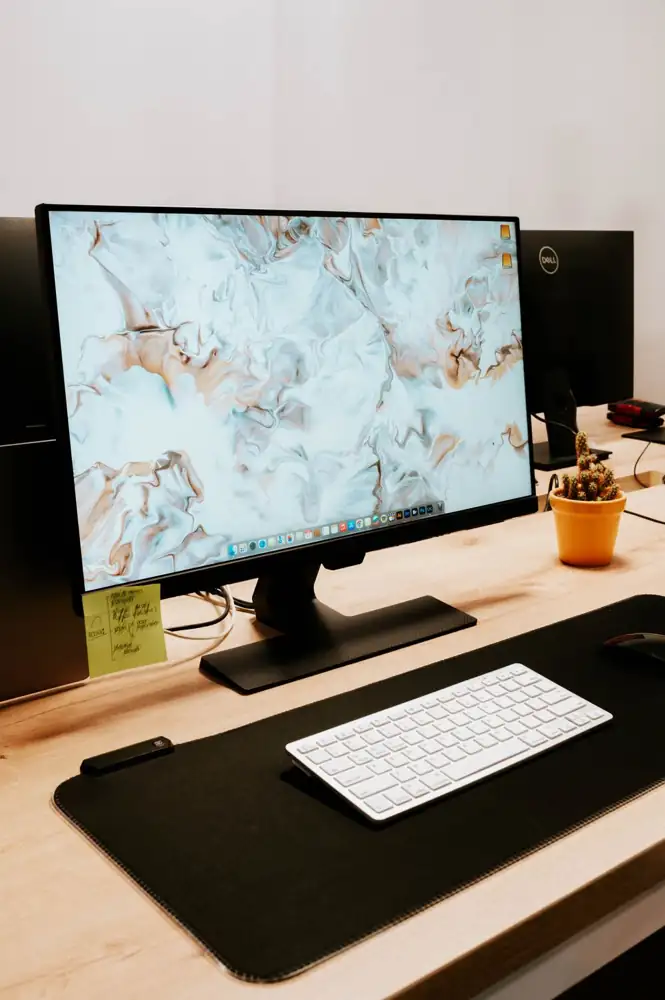
Photograph · source and license
The image, credit, reuse license, editorial context and delivered file are recorded in the exact Sites editorial review. This review is separate from the article’s canonical CIE assessment.
Image and publication standards →At a glance
- Explain your contribution and label practice work.
- Keep public examples separate from private working files.
- Publish a case study that another person can navigate and verify.
In this story
Choose a project you can explain
A portfolio becomes more convincing when a reader can follow a specific piece of work from its purpose to its result. For this hypothetical Gretna exercise, an adult creator makes an original poster and a brief spoken invitation for an imaginary neighborhood art exchange.
Both carry a visible practice label. There is no client, announced event, partner endorsement or claim that the project produced income.
Write a short brief: who the imagined audience is, what they need to understand and what the finished examples will contain. Limit the deliverables to what you can complete and check.
A focused case study can demonstrate judgment more clearly than a long gallery of unexplained fragments.
Set boundaries for the public package
Before designing, list what will be public: a small poster export, a listening sample, a transcript and a written account of your decisions. Keep working notes, private feedback and personal contact information outside that package.
If another person contributes, agree on whether their work and name can appear. A collaborator’s participation in practice does not automatically authorize a public portfolio entry.
Write an asset list identifying every image, sound, font or other external component you plan to use. Keep its source and terms with the project.
If a component’s status is uncertain, choose an original alternative or postpone using it. A strong portfolio should make its maker’s contribution legible without obscuring other people’s work.
Show decisions with evidence from the exercise
Make two versions that differ in a meaningful way. For the poster, one might put the activity first while the other leads with a decorative illustration.
Ask a reader to identify the activity and intended next step in each. For the spoken invitation, compare a rushed ending with a clearer pause.
Record what the reviewer actually noticed.
Report the observations at their real scale. “One reviewer found the date faster in version two” is an honest statement about a small exercise.
“Proven to increase attendance” would claim an outcome this project did not measure. The case study can show how you used limited feedback while remaining clear about its limits.
Preserve the review prompt alongside the response. If you asked a person only to locate the date, their answer cannot support a claim about the entire design’s usability.
Quote or summarize feedback only with appropriate permission, and keep private names out of the public account when identification serves no purpose. In the case study, explain the specific test and the specific revision it informed.
That gives readers a fair basis for judging the project without inflating a small observation into a sweeping performance claim.
Keep the master and delivery files distinct
Maintain editable masters and export copies for the planned destination. Inkscape’s format documentation covers outputs including PDF and PNG; the relevant choice depends on how the example will be used.
Preserve the master so a later correction does not require recreating the work from a flat image.
Reopen each exported file outside its editor. Read the poster at the displayed size, listen to the entire audio sample and compare the transcript with that sample.
Name files by role and revision rather than relying on “final” repeated several times. A public package should contain one clearly identified current example, with the earlier versions retained privately for the case-study explanation.
Build a readable front page
GitHub’s README guidance describes explaining a project’s usefulness and how to use it. A similar front page can introduce the portfolio package: purpose, your role, deliverables, review method and final choices.
The reader should understand the example without needing your folder structure explained in person.
Use a title that states the work, then short sections with links to the examples. Label the listening sample’s duration and provide its transcript nearby.
Give the poster a text description and include its essential wording as ordinary text. If the project has a practice destination, say so clearly.
Do not direct readers to a fictional registration page or imply that the imagined event can be attended.
State reuse terms deliberately
GitHub’s licensing guidance distinguishes publicly visible code from code with an open-source license. Visibility alone does not supply all reuse permissions.
In a mixed portfolio, describe the status of each kind of material deliberately rather than applying an unexplained software badge to every photograph, recording and text.
If you want others to reuse the project, first confirm that you control the material being licensed and that any external ingredients permit the planned sharing. If you intend only to show an example, say how people can contact you about further use.
Avoid giving a blanket permission that exceeds your authority. Keep credits accessible in text even when the image or audio is embedded elsewhere.
Test the view another person gets
Open the page and files using access that does not depend on your editing account. Ask someone to follow the project from the front page to the poster, audio and transcript.
Note broken links, inaccessible files and places where a viewer cannot tell which version is current. Correct those before announcing that the case study is ready.
Ask the reviewer to state your role and the project’s status. If they believe the piece was a paid commission or a real community event, revise the wording and labels.
Honesty should survive a quick skim. The public package needs enough context to prevent an impressive-looking practice example from becoming an accidental false claim.
Preserve and maintain the published account
The Library of Congress’s website-preservation guidance recommends selecting important online material, exporting it with metadata and maintaining separate copies. Keep a dated record of the case study and the examples it linked to.
Include source and credit notes internally so you can answer a later question or make a correction.
Choose a realistic review interval to test links and retire outdated statements. If the practice project later becomes real work, create a new record with the actual permissions, responsibilities and outcome rather than silently rewriting the old exercise as a commission.
A useful portfolio shows what you made, how you thought and what you verified. That can support a professional conversation without promising clients, income or acceptance.
Sources & verification
README purpose and display; no public repository created for this exercise. Checked October 3, 2026.
Read the sourcePublic visibility and a software reuse license are distinct. Checked October 3, 2026.
Read the sourceExport-format documentation; exercise is not a tested review. Checked October 3, 2026.
Read the sourceSelect and export valued online content, preserve metadata and manage separate copies. Checked October 3, 2026.
Read the sourceThis article was written with AI assistance from the linked sources. No firsthand interview or visit is implied. Source dates and limits are identified in the reporting. Advertising does not determine editorial coverage. Request a correction or read our standards.
EVERY NEIGHBOR HAS A VOICE
Keep the conversation going.
Share experiences, ask questions and link evidence for factual claims. Automated publication checks apply to each submitted version. Comments are independent community discussion, not submissions to a government body.
Sign in to join · freeCommunity standards