
Feature People · Gretna
Build a family-history project that can outlast the interview
A modest project plan connects consent, recording, transcripts and a usable archive.
Checking whether this browser can read the story aloud.
Explore related topics
Sources & editorial review
Sites editorial review recorded for this exact revision. This AI-assisted article or learning resource includes source links and credited contextual imagery.
This is a local editorial review, not a canonical Cultural Imprint Engine assessment. No CIE score is claimed. Source review does not verify third-party playback, provider availability or image pixels.
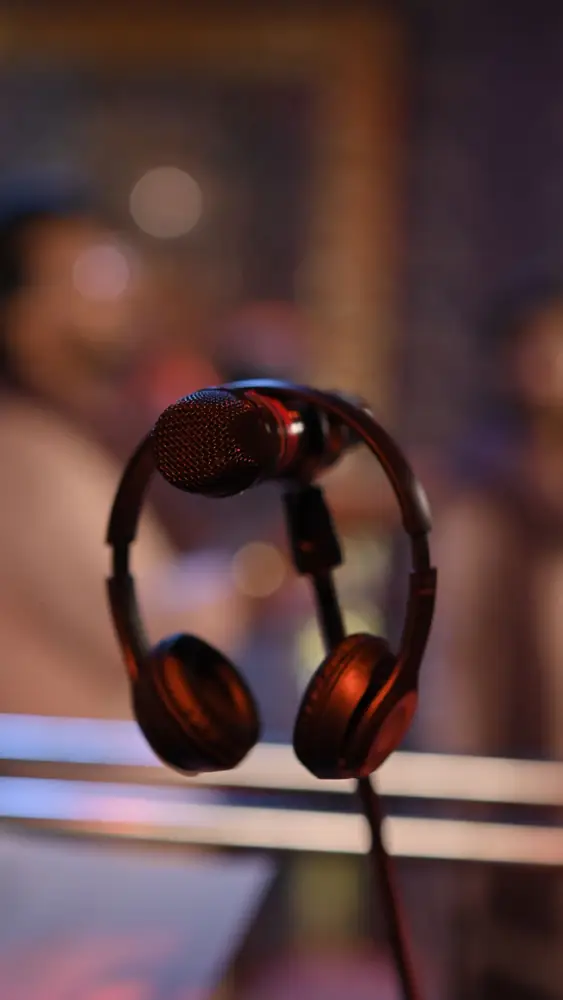
Photograph · source and license
The image, credit, reuse license, editorial context and delivered file are recorded in the exact Sites editorial review. This review is separate from the article’s canonical CIE assessment.
Image and publication standards →At a glance
- Define the intended audience before recording.
- Preserve originals and separate editorial corrections.
- Make the archive understandable to a future caretaker.
In this story
Write the purpose in one paragraph
A recorded conversation becomes a project when someone can explain why it was made, what it contains and how it may be used. For this hypothetical adult Gretna project, a family wants to preserve three relatives’ accounts of learning household skills.
The goal is a private family collection with the possibility of a later approved public excerpt. Nobody promises publication, museum acceptance or permanent hosting by an institution.
Write a short purpose statement before inviting narrators. Specify the subjects, approximate interview length and planned storage.
Explain what remains undecided, especially any later public presentation. Keeping the project small makes it easier to complete the promised review and organization instead of accumulating recordings that nobody has time to identify.
Make sharing choices understandable
Smithsonian’s interviewing guide includes sample records for interview context and permissions. Use that as a prompt to document what participants understand, while creating an agreement suited to the actual project.
A sample form is not a completed permission for a local narrator, and this article supplies no legal clearance.
Describe sharing in ordinary language: who can listen now, who can receive copies and what would happen before a public excerpt appears. Ask whether the narrator wants their full name, an agreed alternative or no public identification.
Keep a way to contact them for the promised review. Store sensitive contact information separately from the material you might publish.
Prepare questions without scripting answers
Choose a few questions about concrete actions and relationships to objects. Ask how the person learned the task, what a beginner would need to know and what changed over time.
Let the narrator take the account in a direction you did not anticipate. A good project can preserve something you did not know to ask.
Prepare a list of names and unfamiliar terms to confirm after the conversation. Avoid supplying a remembered answer inside the question.
“What happened next?” invites an account; “Was that when everyone agreed?”
can push the narrator toward your interpretation. If the person does not remember a date, preserve that uncertainty and identify possible records for later checking.
Record and document the conditions
Choose a space where participants can converse comfortably and where the equipment can be tested without pressure. Make a short recording and listen back before the interview.
State the agreed identification and date at the beginning if the narrator is comfortable doing so. Note interruptions and any part they ask to keep out of a sharing copy.
Afterward, write a context note while the details are fresh. Include participants, interviewer, broad location, project purpose and recording circumstances.
Preserve the original file. Create a working copy for editing so a later mistake does not replace the only record.
A clear original is the basis for reviewing any transcript, excerpt or disputed edit.
Make a transcript that tells the truth
W3C distinguishes a basic transcript of meaningful audio from a descriptive transcript that also conveys important visual information. For an audio interview, start with an accurate speaker-labeled text and provide a way to find significant topics.
If photographs or a demonstration carry meaning in a later video, describe that information too.
Mark words you cannot understand for review instead of inventing them from context. Keep the narrator’s words separate from your explanations.
A correction supplied later can appear in an editorial note or clearly identified update; it should not silently make the recording seem to contain a sentence it never did. Explain any convention used for pauses, omissions or unintelligible speech.
Index the material for actual use
Create a short topic index with approximate times: learning the task, a remembered teacher, an explanation of a tool and a change in technique. Add the interview’s file name and transcript name.
The index helps someone find a useful passage without reading or hearing everything. It also reveals subjects that need context before an excerpt can stand alone.
Ask a family member who did not attend the interview to use the index. Can they locate the explanation of the tool?
Do they know which photograph the narrator refers to? Add a caption or link where needed.
The test is whether the collection makes sense to another person, not whether the folder looks organized to its creator.
Protect the collection you promised
The Library of Congress’s personal-record guidance recommends selecting important documents, describing their organization and keeping copies in different places. It notes that drafts can have enduring value.
Apply that principle to the interview’s original, transcript revisions, context note and permission record, while controlling access according to the agreement.
Keep a manifest that identifies these items and their relationships. Test a separate copy by opening text and playing audio.
Assign a caretaker and a review date. If a shared account or device belongs to one volunteer, plan what happens when that person can no longer maintain it.
A collection needs a practical successor as well as a current folder.
Schedule a small handoff test with the future caretaker. Give them the manifest and ask them to locate one interview, its permission boundary and a topic in the transcript.
Do not guide them silently through the folder. Their questions show which descriptions need improvement.
Update the manifest while everyone still remembers the choices, then repeat the exercise with one different item to confirm the improvement.
Publish only the approved project
For a proposed public excerpt, send the narrator the exact audio passage, transcript, caption and contextual introduction. Explain the intended destination and whether the file may be downloadable.
Record the decision and retain the approved revision. If the narrator wants a different boundary, adapt the project rather than treating the original interview invitation as unlimited consent.
Keep the public excerpt connected to a source record internally so a later question can be answered. Distinguish recollection from independently confirmed history, and correct mistakes openly.
The project’s value is a carefully preserved first-person account with enough context to be understood and enough care to respect the person who contributed it. Completion means keeping the promises made at the invitation.
Sources & verification
Sample interview-context and permission records, not a completed local permission. Checked October 3, 2026.
Read the sourceTranscripts and descriptive transcripts serve different media information needs. Checked October 3, 2026.
Read the sourcePreserve selected documents, possibly drafts, with descriptions and multiple copies. Checked October 3, 2026.
Read the sourceThis article was written with AI assistance from the linked sources. No firsthand interview or visit is implied. Source dates and limits are identified in the reporting. Advertising does not determine editorial coverage. Request a correction or read our standards.
EVERY NEIGHBOR HAS A VOICE
Keep the conversation going.
Share experiences, ask questions and link evidence for factual claims. Automated publication checks apply to each submitted version. Comments are independent community discussion, not submissions to a government body.
Sign in to join · freeCommunity standards