
Service guide Business · Gretna
A Creative Commons credit needs more than a name
A reuse worksheet helps creators check the specific license before building it into a project.
Checking whether this browser can read the story aloud.
Explore related topics
Sources & editorial review
Sites editorial review recorded for this exact revision. This AI-assisted article or learning resource includes source links and credited contextual imagery.
This is a local editorial review, not a canonical Cultural Imprint Engine assessment. No CIE score is claimed. Source review does not verify third-party playback, provider availability or image pixels.
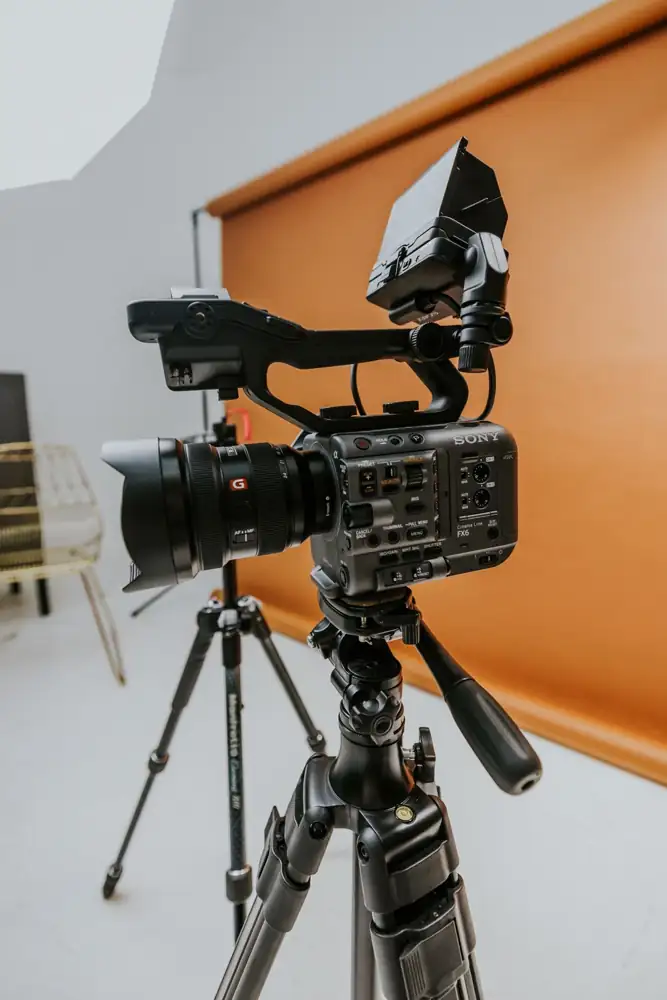
Photograph · source and license
The image, credit, reuse license, editorial context and delivered file are recorded in the exact Sites editorial review. This review is separate from the article’s canonical CIE assessment.
Image and publication standards →At a glance
- Read the license attached to the exact item.
- Record source, creator, version and planned changes.
- Keep a credit draft with the project from the beginning.
In this story
Find the license on the actual item
A search result can lead to a collection containing several different rights statements. Before using an image or sound, locate the statement attached to the exact item you intend to download.
Record its source page, the creator and the license name and version. This hypothetical worksheet is a learning exercise, not clearance for a specific work.
Creative Commons describes several licenses with different conditions. CC BY 4.0 allows sharing and adaptation subject to its terms, including attribution, a license link and an indication of changes.
The deed also notes that other rights, including privacy or publicity rights, may affect an intended use.
Describe your intended use
Write a plain sentence about the project: an original illustrated essay to post publicly, a video with edited audio or a print handout for a workshop. Note whether the borrowed material will be cropped, recolored, shortened, combined with other material or otherwise changed.
A rights decision needs that context; “I just need a picture” is incomplete.
Keep an example credit draft in the worksheet using placeholders for the creator, work and link. Do not invent a credit for an item whose author you cannot identify.
If the source page gives requested attribution information, preserve it in the record rather than relying on memory after the design is finished.
Check that the planned credit points to the source item, not merely to a search page or a creator’s homepage. That connection makes the reused material identifiable and gives a later collaborator somewhere concrete to verify the record.
Read the additional conditions
CC BY-SA 4.0 adds ShareAlike obligations for adaptations: the deed describes distributing contributions under the same license, with compatible-license details linked separately. Other CC variants may restrict commercial uses or distribution of adaptations.
Read the actual applicable terms before deciding whether they fit the project.
For the hypothetical exercise, compare two candidate images with different licenses and explain which one fits the proposed use. The answer may be to use neither.
Replacing an uncertain item early is usually easier than rebuilding a finished piece whose design depends on it. If a situation is ambiguous, leave it unresolved until you can obtain reliable clarification or choose material with a clearer permission path.
Carry the credit into the deliverable
Plan where the credit and links will appear. A tiny unreadable line in an image may not serve someone reading a web page, and a web link alone may be awkward in a printed handout.
Keep an ordinary text credits section where practical. Check the destination’s formatting so the necessary information survives the export and upload.
State changes plainly, such as cropped or color adjusted, when required. Do not word a credit so that it suggests the original creator endorses your project.
Review the final credit against the source note and the applicable license, including any notice supplied with the work.
Keep the evidence beside the project
Save the source page information and retrieval date with the project, together with the license link and the completed worksheet. If a collaborator replaces the asset, perform the check again.
One documented image does not cover every later addition.
For material you create yourself, choose a public license only if you have authority over the rights being licensed and understand the choice. A software license and a media license serve different kinds of work.
Good documentation makes reuse explainable; it does not create permissions that the source did not grant.
Sources & verification
License variants have different reuse conditions. Checked October 3, 2026.
Read the sourceAttribution, license links, change indications and additional-rights notice. Checked October 3, 2026.
Read the sourceShareAlike terms and credit; deed is a summary of legal code. Checked October 3, 2026.
Read the sourceThis article was written with AI assistance from the linked sources. No firsthand interview or visit is implied. Source dates and limits are identified in the reporting. Advertising does not determine editorial coverage. Request a correction or read our standards.
EVERY NEIGHBOR HAS A VOICE
Keep the conversation going.
Share experiences, ask questions and link evidence for factual claims. Automated publication checks apply to each submitted version. Comments are independent community discussion, not submissions to a government body.
Sign in to join · freeCommunity standards