
Service guide Family · Virginia
A yearbook is a source, not a verdict: reading Virginia school memory with care
Digitized yearbooks can reconnect names, buildings and activities, but captions can be wrong and living people retain privacy. A family-history method keeps the image, context and uncertainty together.
Checking whether this browser can read the story aloud.
Explore related topics
Sources & editorial review
Sites editorial review recorded for this exact revision. This AI-assisted article or learning resource includes source links and credited contextual imagery.
This is a local editorial review, not a canonical Cultural Imprint Engine assessment. No CIE score is claimed. Source review does not verify third-party playback, provider availability or image pixels.
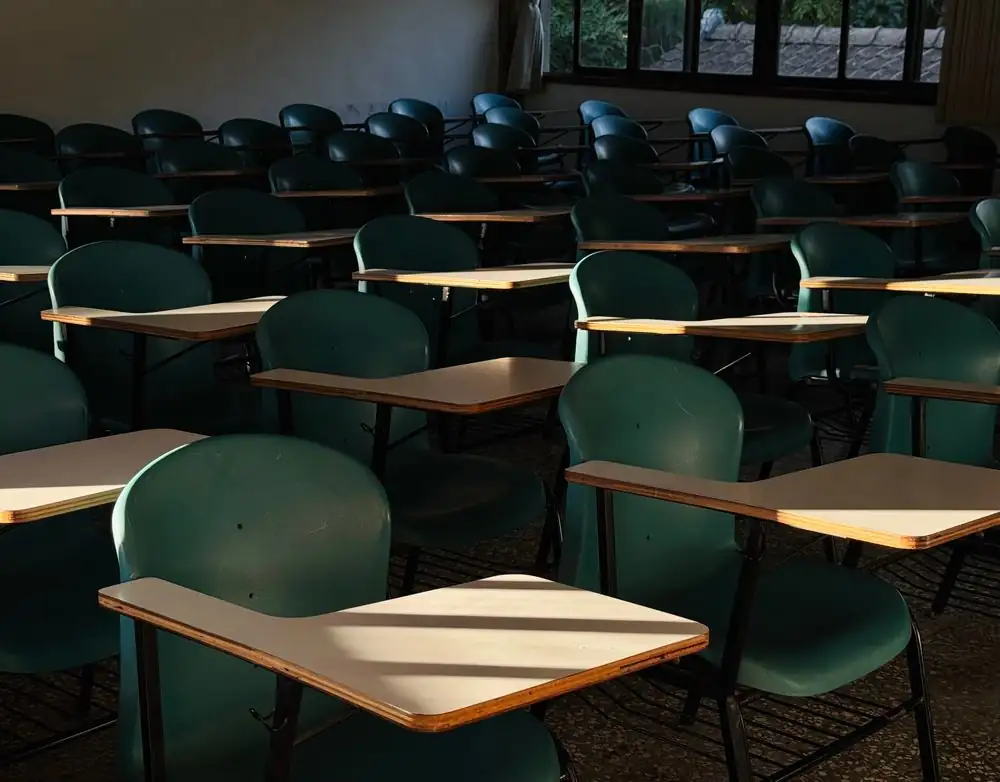
Photograph · source and license
The image, credit, reuse license, editorial context and delivered file are recorded in the exact Sites editorial review. This review is separate from the article’s canonical CIE assessment.
Image and publication standards →In this story
The book captures a school’s own editorial moment
A yearbook is produced by people inside a school community at a particular time. It can preserve names, clubs, sports, advertisements, building views and jokes that never entered government reports.
It can also carry misspellings, exclusions, stereotypes and staged photographs. Treating every caption as verified fact gives the book an authority its production process may not support.
The Library of Virginia’s digital yearbook project makes many public high school volumes searchable through a partnership with local libraries and preservation organizations. Availability is uneven.
A missing school or year can reflect a collection gap, naming difference or rights decision, not proof that no yearbook existed.
Begin with the edition as an object
Record the school name printed on the title page, publication year, volume title, holding institution and stable link. Note whether the digital item is complete and whether page numbers in the viewer match printed numbers.
Save a citation rather than only a cropped image. That citation lets another researcher check surrounding pages and later corrections.
School names and attendance boundaries change. A town name on a cover does not prove every student lived within that municipality.
Use school-board records, directories and maps to understand the institution’s jurisdiction. Do not assign a current school identity to a historical person based only on a similar modern name.
A printed name still needs corroboration
Nicknames, initials, married names and typographical errors complicate identification. Compare a caption with indexes, commencement programs, newspapers, family records and other years.
When two people share a name, preserve both possibilities until a distinguishing source appears. Facial resemblance is not a reliable identity method and should never override documentary conflict.
For a living person, avoid publishing a guessed identity or connecting the photograph to current contact information without consent and a clear public purpose. A public scan does not require a newsroom to maximize exposure.
Family research can remain private while the citation remains available for responsible verification.
Clubs and captions reveal language of their time
A club title can show the school’s categories, not a participant’s lifelong beliefs or later identity. Humor pages may contain language that is offensive now or was harmful then.
Preserve the wording when necessary for research, but add a content note and do not repeat slurs merely for color. The Library of Virginia warns that historical collections can contain offensive terms and images.
Context can come from student newspapers, board minutes and curriculum records. If a caption makes an allegation, do not republish it as fact about a living person.
Describe the source as the source: “the 1968 yearbook caption says,” followed by corroboration or a clear statement that the claim remains unverified.
Public yearbooks and protected education records are different
A digitized historical yearbook is not the same as a student’s transcript, discipline file or current education record. Virginia’s Department of Education points families to rights under FERPA and to state retention schedules for public school records.
Those rules and institutional policies determine access to protected records; a library scan does not open every related file.
Researchers should ask an archive what collection is public and what restrictions apply. Do not ask school staff to confirm private details about a former or current student merely because a name appears in print.
When consent or proof of relationship is required, use the institution’s process rather than sending sensitive documents to an unofficial contact.
Photographs have their own rights and dignity
The fact that a book can be viewed online does not automatically authorize every commercial reuse. The holding page may state rights, access conditions or a contact for questions.
Preserve that information with any downloaded image. A citation is not a license, and attribution alone does not create permission.
Dignity matters beyond copyright. Avoid using an embarrassing photograph as generic decoration.
For a deceased person, consider descendants and historical purpose; for a living person, seek consent when identification adds little public value. Crop only when rights allow and when the crop does not create a misleading scene.
Absence is evidence of the archive, not of the person
A student may be missing because of absence on picture day, transfer, exclusion, separate schooling, nonpublication or a lost page. Segregation and unequal preservation shape which institutions are represented.
The absence of a portrait cannot prove nonattendance. Search related school names, local collections, newspapers and family-held material before drawing a conclusion.
Community scanning projects can help fill gaps, but they need custody rules. Borrowed books should be inventoried, handled safely, returned promptly and digitized under an agreed rights statement.
Never keep an irreplaceable family copy without a written loan record.
Build a family annotation without rewriting the scan
Keep the original page image unchanged. Store corrections and identifications in a separate note with the contributor’s name, date, relationship and confidence.
If two relatives disagree, preserve both accounts rather than choosing the more vivid story. A later document may resolve the conflict, and the annotation history will show why the record changed.
Do not publish addresses, birth dates or contact details simply to prove identity. Use the least personal information necessary.
If a family member requests removal of a current biographical detail from an editorial page, evaluate the public interest and correct unsupported material while preserving the archival citation.
A local story should show its joins
A responsible history piece can connect a yearbook photograph to a school-building survey, a newspaper account and an oral history. Each join should be visible.
Readers should know which source provides the name, which provides the event and which provides interpretation. Combining them silently can produce a confident story that no single record supports.
Source geography matters too. A Halifax volume should not be used as evidence about Brunswick simply because the schools shared a mascot or conference.
Preserve school, locality and archive in the citation. Regional comparisons work only after local identities remain intact.
The useful outcome is a better question
A yearbook may reveal a club worth researching, an earlier school name, a business advertisement or a relative’s preferred nickname. That clue is progress even before the full story is known.
Write the next question and the record likely to answer it. Do not fill the gap with a reconstructed quotation or invented memory.
Used this way, yearbooks become doors into public history without turning teenagers into permanent public claims. The book keeps its texture, families keep control over private knowledge, and future researchers inherit a trail they can verify rather than a caption that grew more certain each time it was repeated.
Sources & verification
Official collection guide and content warning; supports project scope and responsible use.
Read the sourceOfficial guide to physical holdings and school-building photographs.
Read the sourceOfficial distinction between public historical material and protected education records.
Read the sourceOfficial route to newspapers, family records, yearbooks and other corroborating collections.
Read the sourceThis article was written with AI assistance from the linked sources. No firsthand interview or visit is implied. Source dates and limits are identified in the reporting. Advertising does not determine editorial coverage. Request a correction or read our standards.
EVERY NEIGHBOR HAS A VOICE
Keep the conversation going.
Share experiences, ask questions and link evidence for factual claims. Automated publication checks apply to each submitted version. Comments are independent community discussion, not submissions to a government body.
Sign in to join · freeCommunity standards