
Service guide Life · Virginia
Garlic starts with a fall plan and ends with next summer’s supper
Reserve a sunny, well-drained patch now, then choose planting stock and timing with Virginia guidance.
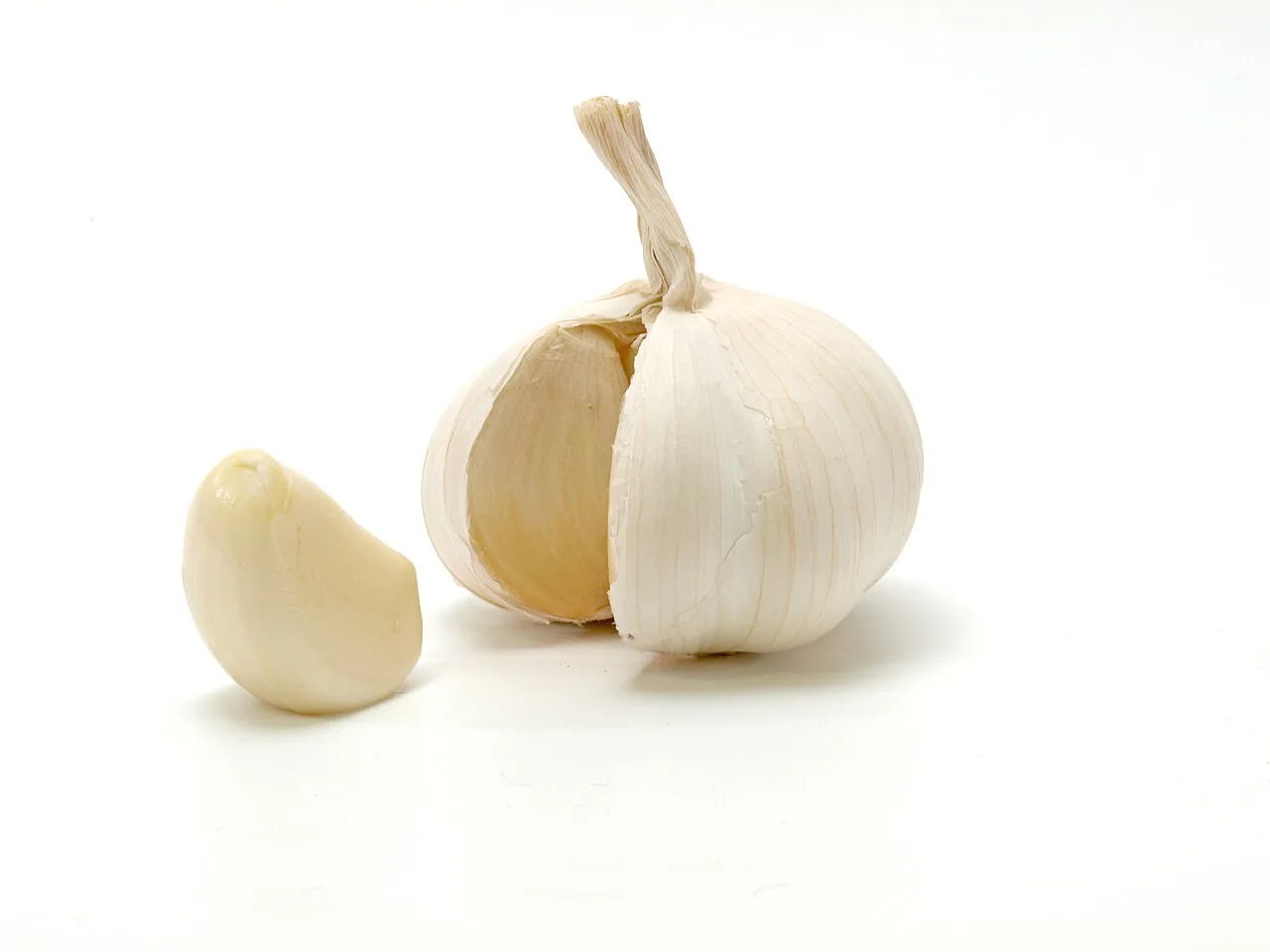
Image provenance · CIE 100/100
Assessment applies to the credited image record and its editorial context. Image delivery and the pictured event’s current status are not certified by a score. Receipt: 0102cba7-127e-4c44-8698-b44850076e91
Image & publication standards →At a glance
- Fall planting gives garlic time to develop.
- Keep bulbs intact until planting and use healthy cloves.
- Reserve the bed through the following summer harvest.
In this story
Think beyond the autumn bed
Garlic asks for a different kind of garden planning. The cloves go into the ground in fall, while the bulbs belong to next year's kitchen.
For a Gretna gardener clearing a summer crop, that means deciding now which patch can stay occupied into early summer.
Virginia Cooperative Extension recommends fall planting for full development in Virginia home gardens. September can be used to assess drainage, arrange planting stock and make a bed plan.
A date on a national gardening calendar should not replace attention to your site.
Piedmont Master Gardeners describes mid-October as its planting target in the Charlottesville-area Piedmont. Treat that as regional context, then ask the local Extension office about timing for your location and chosen variety.
Choose the cloves before reaching for the spade
Keep a planting bulb whole until you are ready to use it. VCE says early separation reduces yields and recommends large, healthy, smooth seed bulbs.
Each clove is planted separately; larger cloves generally produce larger mature bulbs.
Use planting stock from a reliable source and keep the variety name. Piedmont Master Gardeners cautions against relying on grocery-store garlic for planting because of disease concerns and possible treatments to prevent sprouting.
Hardneck and softneck garlic offer different habits. The Piedmont guide describes hardneck garlic's spring scapes and the generally longer storage of softneck types.
You can try a small amount of each, but mark the rows so the comparison survives until harvest.
Make the bed fit the crop
University of Minnesota Extension also emphasizes well-drained soil and improving its organic matter. A spot that stays waterlogged is a poor place to test your luck.
Think about where rainfall collects and how you will reach the row for weeding.
For a standard row, VCE directs gardeners to set cloves upright, three to five inches apart, and cover them with about an inch of soil. Leave 12 to 24 inches between rows.
Use one complete planting guide consistently; recommendations vary with the growing system.
Draw the garlic into next spring's garden plan now. Leave a note beside it with the variety, planting date and number of cloves.
When the seed catalogs arrive, that space will already have a job.
Expect to monitor growth and weeds through spring rather than treating planting day as the entire project. VCE places harvest in early summer as tops begin drying.
The reward is a crop that connects two gardening seasons without adding another rush of spring planting.
Cultural & community review
Assessment passed This recorded version passed its cultural and community assessment.
- Reviews the cultural and community context of this editorial item.
- Source, rights and publisher checks remain separate.
- It does not score people or certify every fact.
Read the assessment record & limits
- This record applies to the identified content revision. Later changes require another assessment.
- Asset
- gj:article:fall-garlic-bed-planning-virginia
- Engine
- ct.algorithm.cie.v1 · 1.0.1
- Receipt
- 6af483ba-4ab1-4da0-a40e-db2259e9c163
- Assessed
- Revision
- sha256-894b86ee4facf12d1dc47e1369eed3108c00c2ae017c5c807af03980b38afc29
- Record state
- eligible · PASS
- Binding
- BOUND
Sources & verification
Revised February 2026; originally March 2015. Checked September 7, 2026. Virginia fall planting, bulb selection, spacing, drainage and early-summer harvest; authors Diane Relf and Alan McDaniel, reviewed by Edward Olsen.
Read the sourceOriginally October 2015; reprinted 2022. Checked September 7, 2026. Cleve Campbell’s regional cultivation guide; its mid-October timing is presented as Charlottesville-area context, not a fixed Gretna date.
Read the sourceUndated current guidance. Checked September 7, 2026. Soil drainage and organic matter; Minnesota planting and harvest dates are not applied to Virginia.
Read the sourceThis article was written with AI assistance from the linked sources. No firsthand interview or visit is implied. Source dates and limits are identified in the reporting. Advertising does not determine editorial coverage. Request a correction or read our standards.
EVERY NEIGHBOR HAS A VOICE
Keep the conversation going.
Share experiences, ask questions and link evidence for factual claims. Automated checks assess each version; posts that pass publish immediately with their CIE score and reasons. Comments are independent community discussion, not submissions to a government body.
Sign in to join · freeCommunity standards