History Life · Virginia
Danville’s Black history: organizing, music, and the museum on Main Street
A fuller reading of Danville connects civil-rights resistance, Camilla Williams’s career, and the enslaved people behind a prominent house.
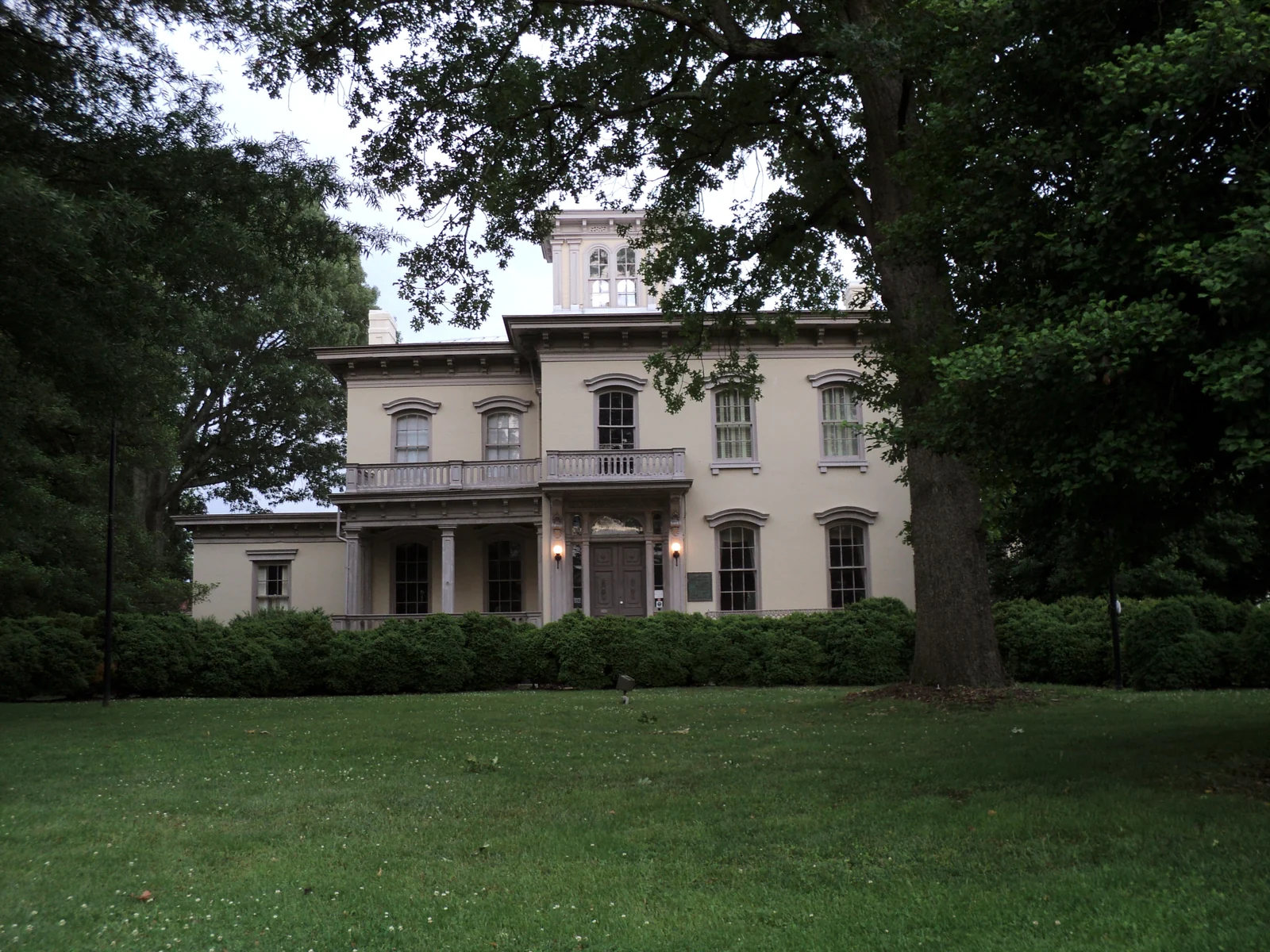
Image provenance · CIE 100/100
Assessment applies to the credited image record and its editorial context. Image delivery and the pictured event’s current status are not certified by a score. Receipt: 8789331f-10f1-4b25-9671-146355dae608
Image & publication standards →In this story
Organizing and a voice heard beyond Danville
Danville’s Black history is visible in places of cultural achievement and in records of organized resistance. On June 10, 1963, police and deputized municipal workers attacked demonstrators challenging segregation.
The violence became known as Bloody Monday. The Library of Virginia preserves the wider context: community networks provided food, housing, transportation, medical help, and bail while demonstrations and court cases continued.
That sustained work prevents the movement from being reduced to a single day of violence.
High Street Baptist Church was a center of organizing. Martin Luther King Jr. spoke there on July 11, 1963, and Danville demonstrators later participated prominently in the March on Washington.
The Library of Virginia’s digitized court records allow readers to investigate how protest was met by prosecutions and how those cases continued over the following decade. These are records of local people making difficult decisions together, with consequences for their families as well as the city.
The museum and the people behind the house
Music belongs in this history, too. Danville-born soprano Camilla Williams joined the New York City Opera in 1946, breaking a major racial barrier in American opera.
The Library of Virginia records that she returned to Danville in 1963 to perform a fundraiser for jailed civil-rights demonstrators. She also sang at the March on Washington.
Her career connects artistic accomplishment with direct support for the struggle at home.
The Danville Museum of Fine Arts and History presents Civil Rights and Camilla Williams exhibits inside the Sutherlin Mansion. The setting deserves careful interpretation.
The museum describes the original four-acre property as an urban plantation that included a dwelling for enslaved people alongside service buildings and the main house. Visitors can approach the building with all of those lives in view, then follow the museum’s exhibitions outward into Danville’s churches, streets, archives, and continuing cultural life.
Cultural & community review
Assessment passed This recorded version passed its cultural and community assessment.
- Reviews the cultural and community context of this editorial item.
- Source, rights and publisher checks remain separate.
- It does not score people or certify every fact.
Read the assessment record & limits
- This record applies to the identified content revision. Later changes require another assessment.
- Asset
- gj:article:danville-black-history-movement-camilla-williams
- Engine
- ct.algorithm.cie.v1 · 1.0.1
- Receipt
- 468fcaaf-5f84-416d-9db3-8695900de32c
- Assessed
- Revision
- sha256-65349071dfd3ac0a5feaf057f05e5b8b75c1d234f3760160e5ead93f328a7fdf
- Record state
- eligible · PASS
- Binding
- BOUND
Sources & verification
Bloody Monday, community support, High Street, King visit, court archive
Read the source1946 opera milestone, 1963 fundraiser, March on Washington
Read the sourceUrban plantation, enslaved dwelling and outbuildings
Read the sourceCurrent permanent exhibit subjects
Read the sourceThis article was written with AI assistance from the linked sources. No firsthand interview or visit is implied. Source dates and limits are identified in the reporting. Advertising does not determine editorial coverage. Request a correction or read our standards.
EVERY NEIGHBOR HAS A VOICE
Keep the conversation going.
Share experiences, ask questions and link evidence for factual claims. Automated checks assess each version; posts that pass publish immediately with their CIE score and reasons. Comments are independent community discussion, not submissions to a government body.
Sign in to join · freeCommunity standards