
Explainer Creators · Virginia
A public mural has more than one record: artist, wall, photograph and permission
Seeing art from the sidewalk does not erase the creator’s rights or the property owner’s role. A careful local archive records the work without turning visibility into a blanket license.
Checking whether this browser can read the story aloud.
Explore related topics
Sources & editorial review
Sites editorial review recorded for this exact revision. This AI-assisted article or learning resource includes source links and credited contextual imagery.
This is a local editorial review, not a canonical Cultural Imprint Engine assessment. No CIE score is claimed. Source review does not verify third-party playback, provider availability or image pixels.
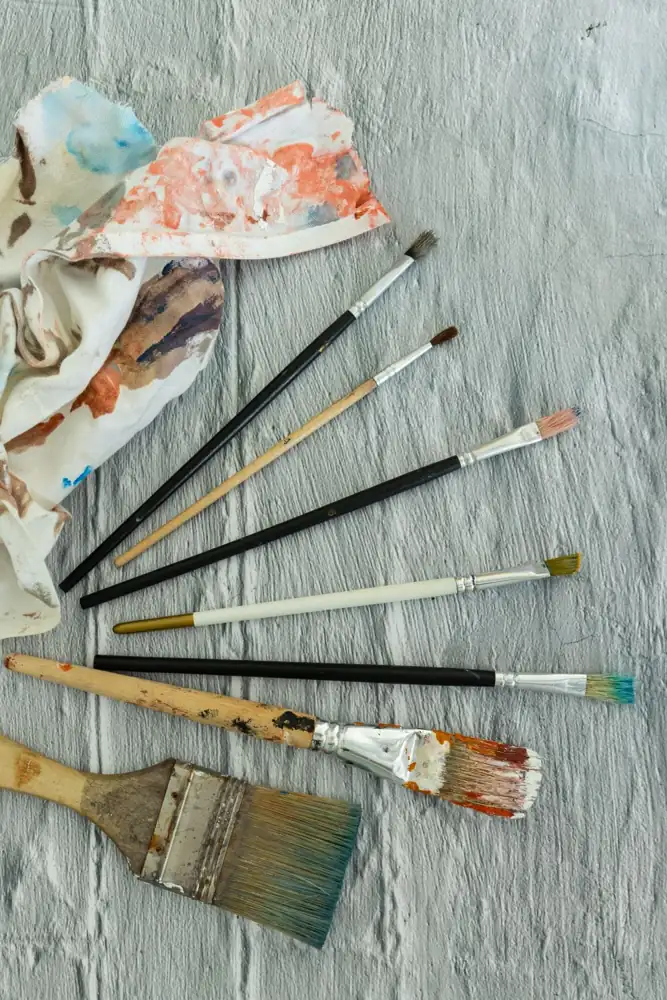
Photograph · source and license
The image, credit, reuse license, editorial context and delivered file are recorded in the exact Sites editorial review. This review is separate from the article’s canonical CIE assessment.
Image and publication standards →In this story
Public view and public domain are different ideas
A mural can be visible from a street and still be a protected creative work. The U.S.
Copyright Office explains that copyright generally attaches when an original work is fixed in a tangible form. Visibility does not by itself transfer that copyright, and credit alone does not create permission.
A city, building owner, sponsor and artist can each have different interests in the same wall.
This guide is educational, not legal advice. It does not decide who owns a named work or whether a particular photograph qualifies as fair use.
Its purpose is to improve the local record: identify the work, creator, date, commission and source for any reuse authorization instead of assuming the word “public” settles every question.
Start with the work’s own identity
Record the title exactly as the artist or commissioning organization gives it. Note the artist’s preferred name, collaborators, installation date, medium and location.
If the title is unknown, say so rather than inventing one from the subject. A community nickname can be preserved as a nickname, clearly separate from the formal title.
Photograph any plaque or credit line from a lawful public position, but do not treat the plaque as a complete contract. Sponsors and fabricators may be listed alongside artists.
A signed work can still have a different legal name in the commission file. Link the visual observation to a dated institutional or creator source.
The wall and the image can have different owners
Property ownership answers who controls the building surface; copyright addresses the creative expression. A contract may license reproduction, address maintenance or specify what happens if the building changes.
Without that contract, a reporter should not infer that the owner can authorize every reuse or that the artist can control access to private property.
Public agencies should retain the executed commission agreement, procurement record and approved design as required by their records policies. Some information may be withheld under applicable law, but the public version can often establish parties, scope and payment.
An announcement is useful context; the executed document is stronger evidence of the arrangement.
A photograph adds another creative layer
A photograph of a mural can contain creative choices in framing, light and timing. The photographer’s rights do not erase the mural artist’s rights, and the mural does not erase the photographer’s.
A newsroom using an image should document permission or a valid license for the photograph and separately consider the depicted work. “Found online” is not a rights category.
For Gretna Junction’s own coverage, an original contextual diagram avoids implying that the pictured work is licensed when it is not. If a specific mural image is necessary, the asset record should identify creator, photographer, source URL, license and any relevant limitation.
A screenshot of a social post is not a substitute for that chain.
Credit is necessary but not magical
Good credit helps audiences find the creator and preserves historical authorship. It does not cure an unauthorized use.
Conversely, a license may require a particular attribution format, link or indication of changes. Copy the license terms from the authoritative source at the time of use and preserve them with the downloaded file.
If a creator grants one-time permission, record the medium, duration, territory and requested credit in plain language. Do not stretch permission for a news article into merchandise, advertising or model training.
New uses need their own review. That boundary protects creators and keeps later staff from mistaking an old email for unlimited rights.
Maintenance is part of the creative record
Outdoor art fades, peels and encounters repairs to the wall beneath it. Maintenance can preserve the artist’s design or alter it.
A dated condition record should distinguish normal weathering, vandalism, building work and authorized restoration. Avoid declaring a work abandoned because it looks worn.
Ask the artist or responsible owner when possible.
A public discussion about removal deserves the original commission terms, property need and creator response. The Visual Artists Rights Act can matter to some works, but its application is fact specific.
An editor should not announce a legal violation from a photograph. Report the documented notice, agreement and action, then seek qualified interpretation if a dispute is real.
Community memory should not overwrite creator voice
Residents may attach stories to a mural that the artist never claimed. Those stories are valuable oral history when attributed to the speakers.
They should not be rewritten as the artist’s intent. A local archive can hold several layers: the commissioned statement, the artist’s description, contemporary news, later community interpretation and documented changes.
Consent matters when the artwork depicts identifiable people or when an interview touches trauma. A public portrait does not authorize a newsroom to publish private biographical details about the subject.
Separate what the artwork shows from what public records and willing sources establish.
Catalogs need revision history
A public-art map becomes unreliable when it keeps removed works as current or silently changes attribution. Each entry should have checked and updated dates, a status such as present, relocated or archived, and a correction note when identity changes.
Never describe an installation as accessible from a location without current confirmation.
Stable IDs help the record survive renaming and moves. The page can preserve a prior location while the current shelf excludes the archived entry.
This same approach keeps event marketing from masquerading as permanent history and allows creators to request a factual correction without deleting the earlier documented state.
A useful local workflow respects both access and restraint
Before publication, verify the creator and title, check the image’s rights record, confirm current location and label the observation date. Use a descriptive alt text that explains the visible work without speculating about meaning.
Provide a source link in a standalone field rather than burying it in a caption. If permission is uncertain, hold the asset, not the entire story.
That workflow does not make documentation sterile. It lets a story explore technique, neighborhood context, funding and reception with stronger evidence.
The result is a richer creator desk because the reader can tell which statement comes from the artist, which comes from a public contract and which is the newsroom’s analysis.
What a future profile should add
A fuller creator profile should use an on-record interview or previously published primary material, confirm names and pronouns, and allow fair review of disputed factual claims without surrendering editorial control. It should not invent quotations, reconstruct private negotiations or imply endorsement because an artist answered a factual question.
Until those materials exist, a rights-literate catalog entry is meaningful publication. It preserves who made the work, where it entered public view and what permission supports the image readers see.
That is not administrative clutter around art; it is part of honoring creative labor.
Sources & verification
Primary federal overview supporting originality, fixation and the distinction between ownership of an object and copyright.
Read the sourcePrimary guidance for visual works; this article does not determine registration or infringement.
Read the sourceStatutory text for attribution and integrity rights; applicability to a named mural is not asserted.
Read the sourceInstitutional conservation context for historic materials and documented treatment; no mural-specific treatment is prescribed.
Read the sourceThis article was written with AI assistance from the linked sources. No firsthand interview or visit is implied. Source dates and limits are identified in the reporting. Advertising does not determine editorial coverage. Request a correction or read our standards.
EVERY NEIGHBOR HAS A VOICE
Keep the conversation going.
Share experiences, ask questions and link evidence for factual claims. Automated publication checks apply to each submitted version. Comments are independent community discussion, not submissions to a government body.
Sign in to join · freeCommunity standards