
Feature Creators · Virginia
Anne Spencer made a literary world from a Lynchburg house and garden
Poetry, civil-rights organizing, librarianship and a carefully made garden met on Pierce Street; the surviving place helps readers see creation as community work.
Checking whether this browser can read the story aloud.
Explore related topics
Sources & editorial review
Sites editorial review recorded for this exact revision. This AI-assisted article or learning resource includes source links and credited contextual imagery.
This is a local editorial review, not a canonical Cultural Imprint Engine assessment. No CIE score is claimed. Source review does not verify third-party playback, provider availability or image pixels.
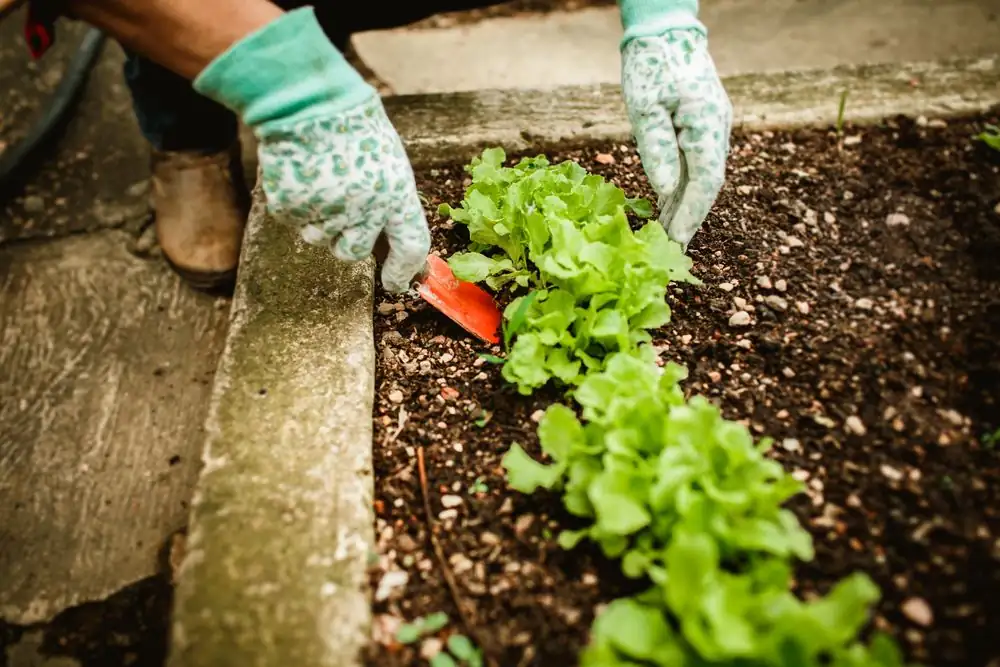
Photograph · source and license
The image, credit, reuse license, editorial context and delivered file are recorded in the exact Sites editorial review. This review is separate from the article’s canonical CIE assessment.
Image and publication standards →In this story
A creator rooted in place
Anne Bethel Spencer lived much of her adult life in Lynchburg, where she wrote poetry, raised a family and participated in civic life. The Library of Virginia identifies her as a poet and civil-rights advocate and records her role in helping establish a local NAACP branch.
Her Pierce Street home was not separate from that work. It was a domestic space, a gathering place and the setting for a garden she shaped over decades.
Treating the house only as a backdrop to famous visitors would miss the creative system Spencer built: reading, correspondence, community relationships, paid work, family responsibilities and the recurring labor of tending a place all supported the poems.
The garden was not merely decorative
Spencer’s garden offered material, rhythm and refuge. Plants changed through seasons, paths organized attention, and the small writing cottage created a distinct working space.
Gardens can be romanticized as effortless inspiration, but this one required design, maintenance and knowledge. Edward Spencer, Anne’s husband, built the house and contributed to the physical setting; family labor and later preservation made survival possible.
The garden therefore invites a wider understanding of authorship. A poem has a named writer, yet the conditions that make writing possible are often shared.
Recognizing that ecology of work does not dilute Spencer’s achievement. It shows the deliberate structures behind it.
Literature and organizing occupied the same address
Spencer’s cultural importance includes her relationship to the Harlem Renaissance, but Lynchburg was not a distant outpost from that movement. Black writers, educators, organizers and travelers formed networks across cities, schools, newspapers and homes.
Spencer’s visitors and correspondents connected Pierce Street to national conversations, while her local activism addressed conditions around her. The Department of Historic Resources notes the significance of the house and its visitors; the city’s Pierce Street materials place her within a larger African American neighborhood.
The address helps correct a map of literary history that concentrates creativity in a few metropolitan centers. National culture was also made in Southern homes and local institutions.
Preserving a home requires ethical limits
A house museum offers unusual intimacy, but visitors should resist treating a creator’s domestic life as unrestricted public property. Collections have rights, handling rules and interpretive choices.
Published poems remain subject to copyright analysis; the existence of a museum does not grant permission to reproduce text or images. Personal correspondence can require additional care even when an archive allows research access.
Responsible coverage quotes sparingly under applicable permission or law, credits the holding institution, and distinguishes an observation from a documented fact. The same respect applies on site: current hours, photography rules, accessibility and garden conditions come from the museum, not from an old article.
Read the place as a creative practice
Begin with Spencer’s biography from the Library of Virginia, then use the historic-register record to understand the house and the museum’s own materials for current interpretation. Read her poems through authorized editions rather than copied web text.
Notice how gardening, librarianship, family life and organizing complicate the stereotype of a writer isolated from ordinary work. Seek other creators in Lynchburg and the Pierce Street neighborhood so one landmark does not stand in for an entire community.
Spencer’s home endures because creativity there was embedded in relationships and place. That is the useful lesson for current creators: making art can be private concentration, but the world that sustains it is social, material and carefully maintained.
Librarianship connected writing to readers
Spencer’s work as a librarian belongs beside her poetry. Libraries organize access, recommend texts and create relationships among readers, authors and institutions.
For a Black librarian working within segregated systems, that labor also carried civic meaning. It placed literature in the daily practice of helping people find information and imagination.
The connection complicates a familiar division between artistic creation and service work. Spencer did both, and each could inform the other.
Current creator histories should likewise record the paid jobs, caregiving and community roles that sustain art instead of presenting publication as if it emerged from uninterrupted private time.
A neighborhood holds more than one landmark
Pierce Street includes other sites connected to Black professional, athletic, religious and community history. Centering Spencer should invite readers into that network rather than make her house an isolated exceptional object.
District records and local interpretation can show how nearby institutions and households interacted, while careful research prevents proximity from becoming an invented relationship. Visitors should use public routes, respect private residences and confirm which sites welcome entry.
A connected approach also spreads attention: preservation resources, visitor interest and educational programs can support a fuller neighborhood story. Spencer’s national stature becomes a doorway to local depth, not a reason to eclipse it.
Creator coverage should identify what is available to read and under what rights. A bibliographic citation tells readers where to find a poem; it does not authorize republication.
A museum photograph may have separate creator, subject and collection permissions. Describing these limits openly strengthens rather than weakens discovery, because readers can reach the authorized edition and institutions retain custody of their collections.
Spencer’s work deserves attention that does not depend on copying it outside its rights context.
What the record still asks
Gardens change even when a house remains. Plant material grows, dies and is replaced; storms and maintenance reshape views; interpretation may restore one period while keeping later layers.
A visitor should not assume every flower or path exactly matches Spencer’s lifetime. Museum staff and landscape research are the proper sources for that distinction.
The changing garden can still carry creative meaning. Its value lies partly in continuity of care, not in pretending that living material has been frozen since a poem was written.
Sources & verification
Official historic-register summary of the property and significance.
Read the sourceOfficial state-library biography and civic context.
Read the sourceMuseum information and current visitor authority.
Read the sourceThis article was written with AI assistance from the linked sources. No firsthand interview or visit is implied. Source dates and limits are identified in the reporting. Advertising does not determine editorial coverage. Request a correction or read our standards.
EVERY NEIGHBOR HAS A VOICE
Keep the conversation going.
Share experiences, ask questions and link evidence for factual claims. Automated publication checks apply to each submitted version. Comments are independent community discussion, not submissions to a government body.
Sign in to join · freeCommunity standards