
History Community · Virginia
Roanoke’s neighborhood oral histories show why a memory needs its context
An interview is a historical source with a narrator, a setting and limits of its own.
Checking whether this browser can read the story aloud.
Explore related topics
Sources & editorial review
Sites editorial review recorded for this exact revision. This AI-assisted article or learning resource includes source links and credited contextual imagery.
This is a local editorial review, not a canonical Cultural Imprint Engine assessment. No CIE score is claimed. Source review does not verify third-party playback, provider availability or image pixels.
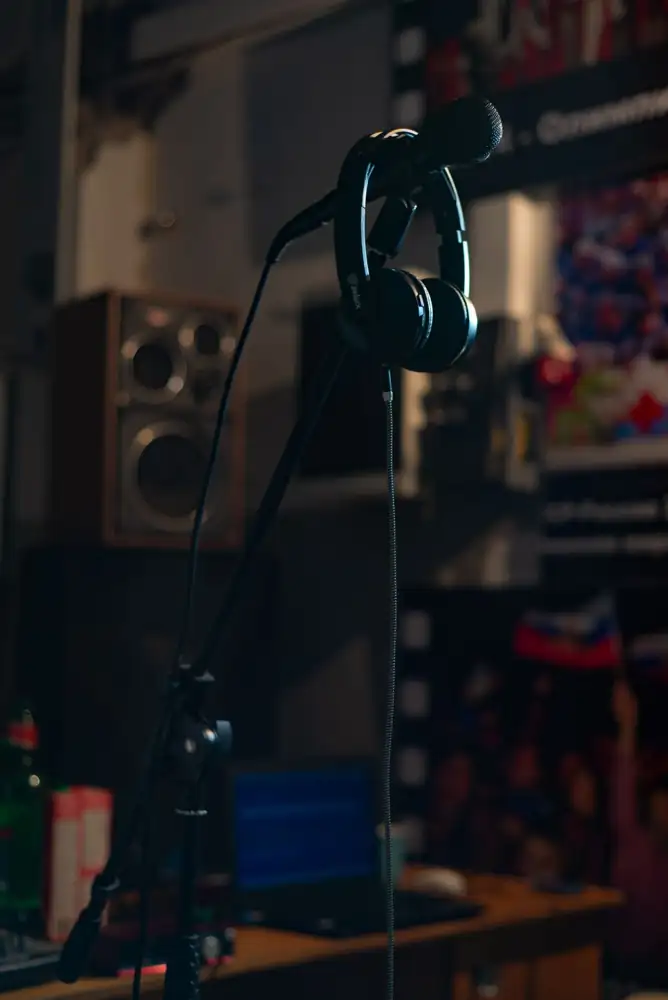
Photograph · source and license
The image, credit, reuse license, editorial context and delivered file are recorded in the exact Sites editorial review. This review is separate from the article’s canonical CIE assessment.
Image and publication standards →At a glance
- Roanoke’s library project began gathering neighborhood interviews in 2006.
- The interview situation is part of the evidence.
- Preserve a narrator’s wording and test factual claims separately.
In this story
A record of remembering
Roanoke Public Libraries’ Neighborhood Oral History Project describes an interview initiative beginning in September 2006. Its catalogue offers a starting point for studying how people remembered their neighborhoods.
This draft does not summarize an individual interview or present a newly conducted conversation.
An oral history can answer a question that a building inventory cannot: how did a place feel to someone who used it? It can describe routines, relationships and meanings.
It also records an act of remembering at a particular later date. Those two time periods—the events recalled and the interview itself—should remain visible in a researcher’s account.
Read the interview record as a whole
Start with the catalogue information. Identify the narrator, interviewer, recording date, collection and access conditions.
Look for a summary or transcript, but do not assume that either reproduces every word or pause. If the recording is available, compare a passage with the transcript before citing it.
Mark the timestamp or transcript page so another listener can locate the same moment.
Questions shape answers. A narrator may begin with the interviewer’s proposed period, move into an earlier memory and then compare it with the present.
A researcher who removes the question can unintentionally change what the answer means. Preserve enough context to explain what subject the speaker was addressing, especially when an excerpt contains a pronoun, place nickname or approximate date.
Memory also has different kinds of precision. A speaker may recall the route walked to school vividly while being unsure of the year.
Keep that uncertainty. Do not use a confidently remembered scene to justify an exact date that the recording never establishes.
Let other records expand the picture
To investigate a factual detail, compare the memory with a source suited to it. A directory may help test an address; a map may clarify a route; meeting records may identify a public decision.
A difference between sources is a question to explore, not automatic proof that the narrator was dishonest. Sources can describe different moments, use different names or record different parts of an experience.
Avoid making one person speak for an entire neighborhood. Identify the interview as that person’s account and ask whose experiences are absent from the available collection.
A careful project can value the voice it has while admitting the limits of its sample.
Keep the record usable and respectful
The National Park Service’s interview-archiving guidance calls attention to associated material such as photographs, documents and correspondence when interviews are transferred to an archive. That connection is useful for a community project: a recording can travel with an account of who made it, why it was made and what material helps explain it.
Before excerpting or distributing a recording, consult the repository’s stated conditions and the permissions attached to the item. An archive link is a route to the source, not permission to invent a personal testimony.
The strongest neighborhood history joins documented context with a clearly identified memory, allowing a person’s voice to remain their own.
Notice the recording as well as the words
A pause, interruption or change in topic can affect how a passage is understood. Note those features when they matter, without claiming to know a narrator’s private feelings.
A transcript may be easier to search while the recording supplies another layer of context. Preserve both routes in the citation when the repository makes them available.
Sources & verification
Repository account dates the interview initiative to September 2006. Search-index text was retrieved; direct page intermittently returned 503. No individual interview was used.
Read the sourceOfficial public-history guidance covers the transfer of interview materials and related documentation to an archive.
Read the sourceThis article was written with AI assistance from the linked sources. No firsthand interview or visit is implied. Source dates and limits are identified in the reporting. Advertising does not determine editorial coverage. Request a correction or read our standards.
EVERY NEIGHBOR HAS A VOICE
Keep the conversation going.
Share experiences, ask questions and link evidence for factual claims. Comments here are saved for qualitative source and context review before publication. Comments are independent community discussion, not submissions to a government body.
Sign in to join · freeCommunity standards