
Quick brief Civic life · Gretna
A Gretna agenda packet tells you what is proposed; minutes tell you what happened
Keep the proposal, the discussion and the recorded decision in separate columns when following a town issue.
Checking whether this browser can read the story aloud.
Explore related topics
Sources & editorial review
Sites editorial review recorded for this exact revision. This AI-assisted article or learning resource includes source links and credited contextual imagery.
This is a local editorial review, not a canonical Cultural Imprint Engine assessment. No CIE score is claimed. Source review does not verify third-party playback, provider availability or image pixels.
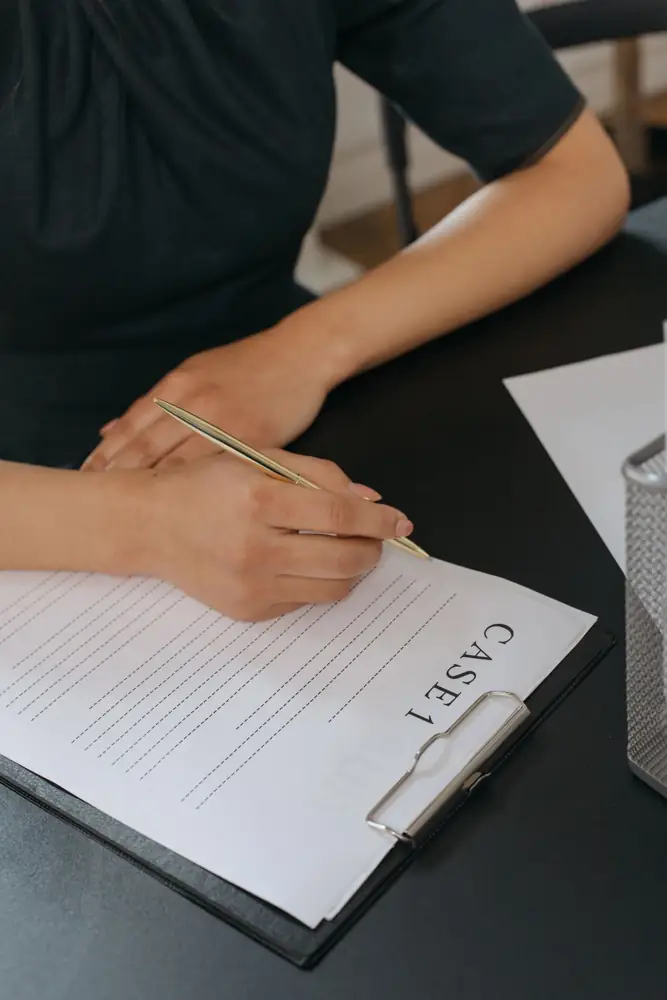
Photograph · source and license
The image, credit, reuse license, editorial context and delivered file are recorded in the exact Sites editorial review. This review is separate from the article’s canonical CIE assessment.
Image and publication standards →At a glance
- An agenda is a starting point for questions.
- Check the motion and vote before describing an action as approved.
- Keep versions and meeting dates with every downloaded file.
In this story
Read the document label
A useful Gretna meeting folder has room for more than one account of the same issue. The town describes council as responsible for ordinances, resolutions, policies and the operating budget.
A packet may contain the background for those decisions: a staff recommendation, a proposed contract or a draft resolution. Its presence in the packet alone does not tell a reader that council adopted it.
Virginia Code § 2.2-3707 addresses public access to meeting materials and requires written minutes for covered open meetings, with specified exceptions. Minutes include a summary of discussion and a record of votes.
That makes the packet and the minutes complementary reading, even when their wording differs.
Build a small decision table
Choose one agenda item and write down its meeting date, packet page, proposed action, motion and recorded vote. Add another line if members deferred it, changed it or asked staff for more information.
Leave the outcome blank when the available file does not establish it. An empty cell is a research task, not evidence that somebody concealed a decision.
Save a document under the date printed inside it rather than only the day you downloaded it. If a replacement appears, retain both versions and note what changed.
A draft minute file and an approved file may serve different purposes; identify which you used.
Ask a question the record can answer
A precise follow-up might ask for the resolution adopted on a particular date or the contract attached to a named agenda item. It can also ask whether a posted minute file is draft or approved.
Avoid turning uncertainty into a charge against a person. The practical payoff is a clearer public conversation: neighbors can disagree about a policy while looking at the same proposal, the same action and the same documentary limits.
Sources & verification
Official description of council responsibilities; no current meeting date or membership asserted in this article.
Read the sourcePrimary statute: public meeting materials and written minutes; current page includes 2026 amendments. Source checked October 3, 2026.
Read the sourceThis article was written with AI assistance from the linked sources. No firsthand interview or visit is implied. Source dates and limits are identified in the reporting. Advertising does not determine editorial coverage. Request a correction or read our standards.
EVERY NEIGHBOR HAS A VOICE
Keep the conversation going.
Share experiences, ask questions and link evidence for factual claims. Comments here are saved for qualitative source and context review before publication. Comments are independent community discussion, not submissions to a government body.
Sign in to join · freeCommunity standards