
History Community · Virginia
A Danville newspaper search works better when the issue stays attached
An article clipping gains meaning from its date, page and place in the newspaper.
Checking whether this browser can read the story aloud.
Explore related topics
Sources & editorial review
Sites editorial review recorded for this exact revision. This AI-assisted article or learning resource includes source links and credited contextual imagery.
This is a local editorial review, not a canonical Cultural Imprint Engine assessment. No CIE score is claimed. Source review does not verify third-party playback, provider availability or image pixels.
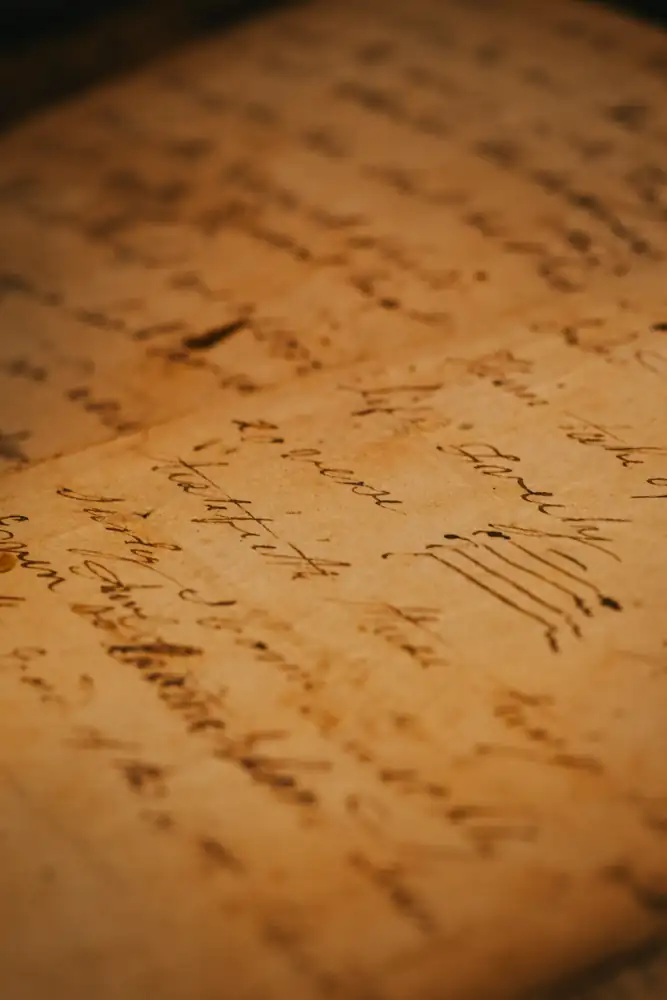
Photograph · source and license
The image, credit, reuse license, editorial context and delivered file are recorded in the exact Sites editorial review. This review is separate from the article’s canonical CIE assessment.
Image and publication standards →At a glance
- Library portals help locate newspapers and research tools.
- A search hit should lead back to the printed page.
- An advertisement and a reported story support different claims.
In this story
Find the newspaper before collecting the sentence
Danville’s library online-resources page lists newspaper and genealogy resources. The Library of Virginia’s Newspaper Directory describes bibliographic and holdings information for historical newspapers.
These services can help researchers locate a title and determine where issues may be available. They do not guarantee that a particular year or page is digitized or that a search result is complete.
Begin a local-history search with a date range and a subject. A business name, organization or address is often more useful when paired with the decade you are studying.
Record the newspaper title exactly; similar titles and later changes can otherwise blend into one imagined publication.
Inspect the page around the hit
A searchable database can deliver a phrase detached from the rest of a newspaper page. Open the page image and read the heading, column and surrounding material.
Check whether the passage is news, advertising, an editorial, a letter or a legal notice. Each was created for a different purpose, and a finished history should say which one supports its claim.
An advertisement establishes what the advertiser publicly offered or claimed at that time. It may help locate a business, identify a product or understand sales language.
It does not automatically prove the promised result or the experience of customers. A report of a planned opening also differs from a report that an opening occurred.
Preserve those verbs in your notes.
Searchable text may misread a name or split it across a line. If a query produces no result, try a shorter name, a spelling variant or a nearby address.
Browsing a likely issue can reveal a story that keyword searching misses. An unsuccessful search is a useful limit to report, not proof that the subject never appeared.
Build a citation before a collection
For each useful item, record title, issue date, page, heading and repository or database. Add a stable item link where available.
If you save an image, preserve a wider view that shows the newspaper identity or page context as well as the cropped passage you plan to discuss. A crop can be convenient for reading while the full page protects the citation.
Keep your own transcription separate from the image. Mark uncertain words, retain historical spelling where needed and avoid silently modernizing an organization’s name.
The small inconvenience of a careful citation prevents larger confusion when several articles discuss the same event.
Turn a clipping into a bounded account
When writing the final piece, state what the item can establish. Two notices a month apart may document a changing plan; they may not reveal why it changed.
Look for an independent record when the explanation matters, and distinguish a contemporary writer’s opinion from a fact you have verified elsewhere.
A manageable Danville project could follow one store, school activity or civic issue through a handful of dated issues. That close reading gives the story texture without requiring a sweeping claim about an entire era.
The newspaper remains evidence of public words printed at a known time, and the reader gains a clear route back to them.
Put the clipping beside a calendar
A small calendar can keep several dates straight: the event described, the issue in which it appeared and any later correction or follow-up. Use it while drafting, even if it never appears in the finished display.
A chronology built from issue dates alone can move an earlier event forward and make two reports of one occurrence look like separate events.
Sources & verification
Official library portal lists newspaper and genealogy resources. No current subscription conditions or individual search result asserted.
Read the sourceDirectory describes bibliographic and holdings information for historical newspapers and routes to digitized material.
Read the sourceThis article was written with AI assistance from the linked sources. No firsthand interview or visit is implied. Source dates and limits are identified in the reporting. Advertising does not determine editorial coverage. Request a correction or read our standards.
EVERY NEIGHBOR HAS A VOICE
Keep the conversation going.
Share experiences, ask questions and link evidence for factual claims. Comments here are saved for qualitative source and context review before publication. Comments are independent community discussion, not submissions to a government body.
Sign in to join · freeCommunity standards