
History Community · Virginia
A cemetery name is the beginning of a Danville family search
Pair burial clues with library research, and keep an inscription separate from an independently verified life story.
Checking whether this browser can read the story aloud.
Explore related topics
Sources & editorial review
Sites editorial review recorded for this exact revision. This AI-assisted article or learning resource includes source links and credited contextual imagery.
This is a local editorial review, not a canonical Cultural Imprint Engine assessment. No CIE score is claimed. Source review does not verify third-party playback, provider availability or image pixels.
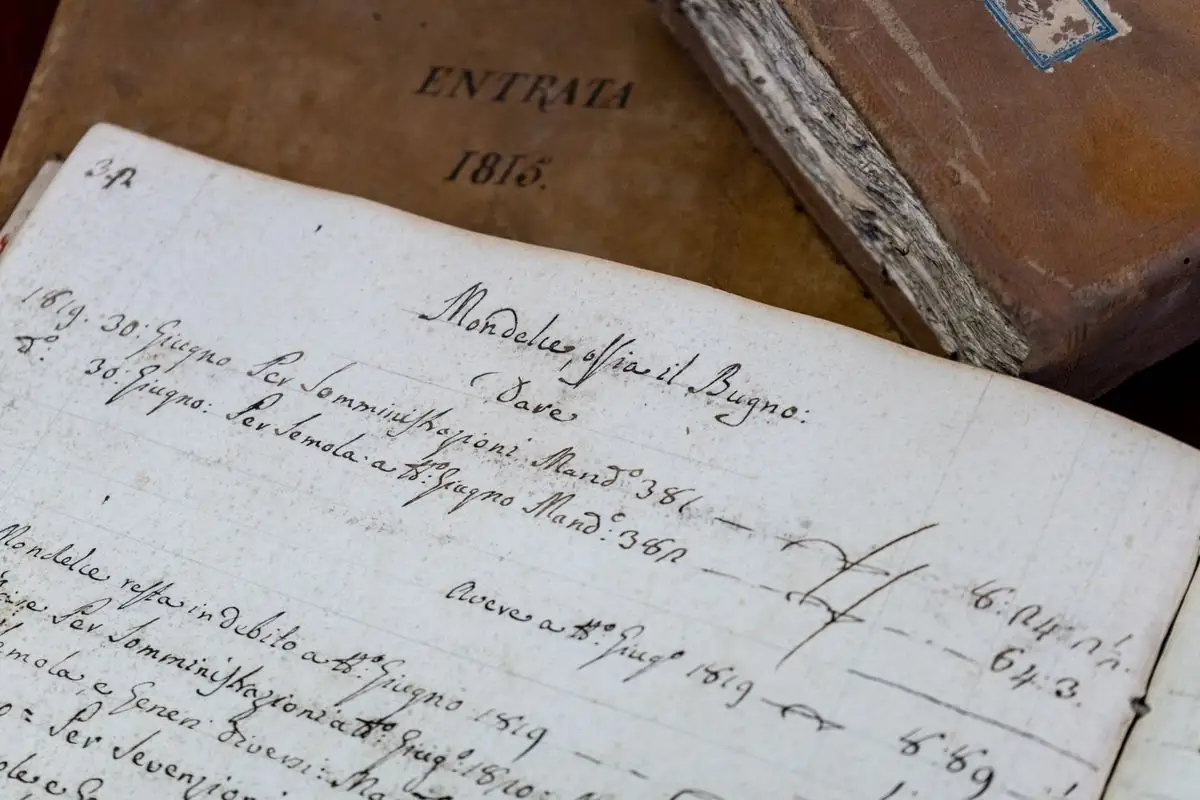
Photograph · source and license
The image, credit, reuse license, editorial context and delivered file are recorded in the exact Sites editorial review. This review is separate from the article’s canonical CIE assessment.
Image and publication standards →At a glance
- Danville’s cemetery page directs genealogy inquiries to the public library.
- Record exactly what an inscription says.
- Resolve same-name matches with independent details.
In this story
Start with the evidence you have
Danville’s official cemetery page directs genealogy inquiries to the public library, whose research page describes genealogy resources. That gives a researcher a sensible next step after finding a name on a marker or in an old family note.
It does not confirm a particular burial, relationship or date.
Begin by separating the physical clue from the story surrounding it. Write the cemetery name, the location within it if known, the inscription as read and the date of observation.
Mark an unreadable character as uncertain. A photograph may preserve the difficulty better than a confident transcription.
Check the person, not only the surname
A matching surname can draw unrelated people together too quickly. Compare several features: approximate age, spouse or household, residence and the dates attached to each source.
If two people share a name, keep separate notes until a record connects the details. A middle initial alone is a thin bridge.
Ask the library which local materials fit the period you are studying. A newspaper notice, directory entry or family-history file may lead to another record, but none should be copied into a finished narrative without its own citation.
A compiled account is evidence of what its author reported; its underlying sources still matter.
Let the limits remain visible
A marker may have been installed later than the death it commemorates. A missing marker does not prove that a burial did not occur.
Preserve those distinctions in the final family account.
For a community project, avoid publishing living relatives’ contact details or sensitive family claims merely because a name search made them accessible. The useful result is a documented connection that others can check, with the remaining uncertainty stated plainly and the people remembered as more than search results.
Sources & verification
Official cemetery page directs genealogy inquiries to the public library. No individual burial record was reviewed.
Read the sourceOfficial library research page identifies genealogy resources and in-library access for Ancestry Library.
Read the sourceThis article was written with AI assistance from the linked sources. No firsthand interview or visit is implied. Source dates and limits are identified in the reporting. Advertising does not determine editorial coverage. Request a correction or read our standards.
EVERY NEIGHBOR HAS A VOICE
Keep the conversation going.
Share experiences, ask questions and link evidence for factual claims. Comments here are saved for qualitative source and context review before publication. Comments are independent community discussion, not submissions to a government body.
Sign in to join · freeCommunity standards