
Public record Civic life · Virginia
A Chatham budget question needs the version that governed the decision
Proposal, adoption, appropriation and amendment should not collapse into one document label.
Checking whether this browser can read the story aloud.
Explore related topics
Sources & editorial review
Sites editorial review recorded for this exact revision. This AI-assisted article or learning resource includes source links and credited contextual imagery.
This is a local editorial review, not a canonical Cultural Imprint Engine assessment. No CIE score is claimed. Source review does not verify third-party playback, provider availability or image pixels.
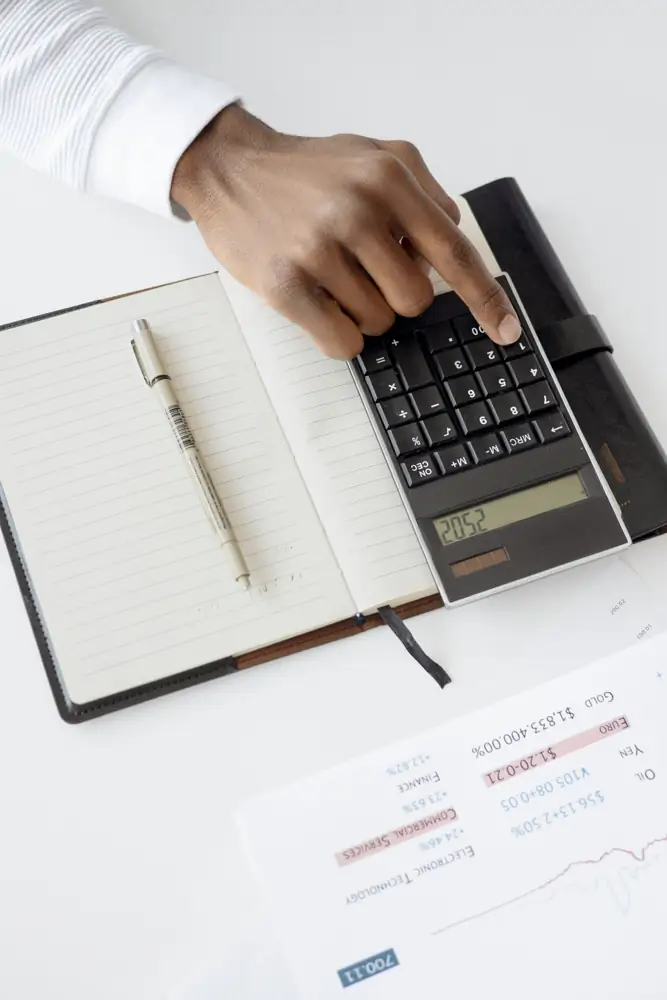
Photograph · source and license
The image, credit, reuse license, editorial context and delivered file are recorded in the exact Sites editorial review. This review is separate from the article’s canonical CIE assessment.
Image and publication standards →At a glance
- An archived budget is a historical reference.
- Identify the fiscal year and document stage.
- Follow later changes before comparing amounts.
In this story
The year on the cover is only the first check
Chatham’s official website includes a link labeled for the town’s fiscal 2023–2024 budget. It is a useful example of an archived budget page, not evidence of the town’s current spending plan.
A resident following a present issue should first identify the fiscal year and obtain the document that applies to the question.
Virginia’s statutory chapter on local budgets, audits and reports distinguishes budget preparation and approval, appropriation and amendment. Those distinctions matter when a public discussion moves from what officials propose to what the governing body has authorized and what was actually spent.
Give every figure a label
Suppose a packet shows a proposed department amount and a later report shows a different number. Before describing an increase or reduction, check whether the figures refer to the same fiscal year, fund and category.
One may be a request, another an adopted plan and another a revised total. A capital project can also have a multi-year estimate that should not be compared casually with a single-year operating line.
Record the page, column heading and amount together. Preserve labels such as proposed, adopted, revised, actual or year-to-date when they appear.
If a table combines several funds, do not strip away the fund names to create a simpler total unless you can explain exactly how the combination works.
The same care applies to revenue. An estimate of expected revenue, an amount billed and cash received can describe different steps.
A visible difference is a reason to ask about accounting and timing, rather than immediate evidence of missing money.
Follow the decision after the printed book
A budget document is a point in a sequence. Search meeting records for the action that adopted the plan and for later changes relevant to your topic.
Request the existing appropriation or amendment records if the posted material leaves the sequence unclear. Keep the action date beside the effective period described by the record.
Use a reconciliation note with four entries: original amount, documented change, resulting amount and source. If the entries do not reconcile, identify the missing record or unanswered question.
Do not make the arithmetic agree by quietly mixing a forecast with an actual expense. A clear unresolved difference is more useful than a tidy but unsupported comparison.
Make the question about a service
Numbers become easier to assess when connected to what residents expect the government to provide. Ask which activity a line supports, whether an amount covers routine operations or a one-time project and what record shows delivery.
A budget allocation can show a plan; invoices, reports or acceptance records may be needed to understand implementation.
For a community discussion, show a small set of comparable figures with their dates and labels. State whether the record is historical or current and whether a later amendment was located.
This draft does not evaluate Chatham’s finances. It provides a way to ask a spending question that officials and neighbors can answer using the same version of the same record.
Compare a like period
If the report is year-to-date, record the cutoff date and avoid presenting it as a full-year result. Check whether the comparison year uses the same period.
Seasonal revenue and one-time purchases can make an uneven comparison look like a major trend. A clear period label lets a reader decide whether the numbers answer the intended service question.
Sources & verification
Primary statutory chapter distinguishes budget approval, appropriation and budget amendments. Only the specific distinctions described in the article are summarized.
Read the sourceOfficial archived budget link is a historical example, not the current adopted budget. Search-index page retrieved; direct fetch returned an internal error.
Read the sourceThis article was written with AI assistance from the linked sources. No firsthand interview or visit is implied. Source dates and limits are identified in the reporting. Advertising does not determine editorial coverage. Request a correction or read our standards.
EVERY NEIGHBOR HAS A VOICE
Keep the conversation going.
Share experiences, ask questions and link evidence for factual claims. Comments here are saved for qualitative source and context review before publication. Comments are independent community discussion, not submissions to a government body.
Sign in to join · freeCommunity standards