
History Community · Virginia
At Appomattox, the village name and the surrender room are different clues
A familiar place name can send a researcher to the wrong building unless the event is identified precisely.
Checking whether this browser can read the story aloud.
Explore related topics
Sources & editorial review
Sites editorial review recorded for this exact revision. This AI-assisted article or learning resource includes source links and credited contextual imagery.
This is a local editorial review, not a canonical Cultural Imprint Engine assessment. No CIE score is claimed. Source review does not verify third-party playback, provider availability or image pixels.
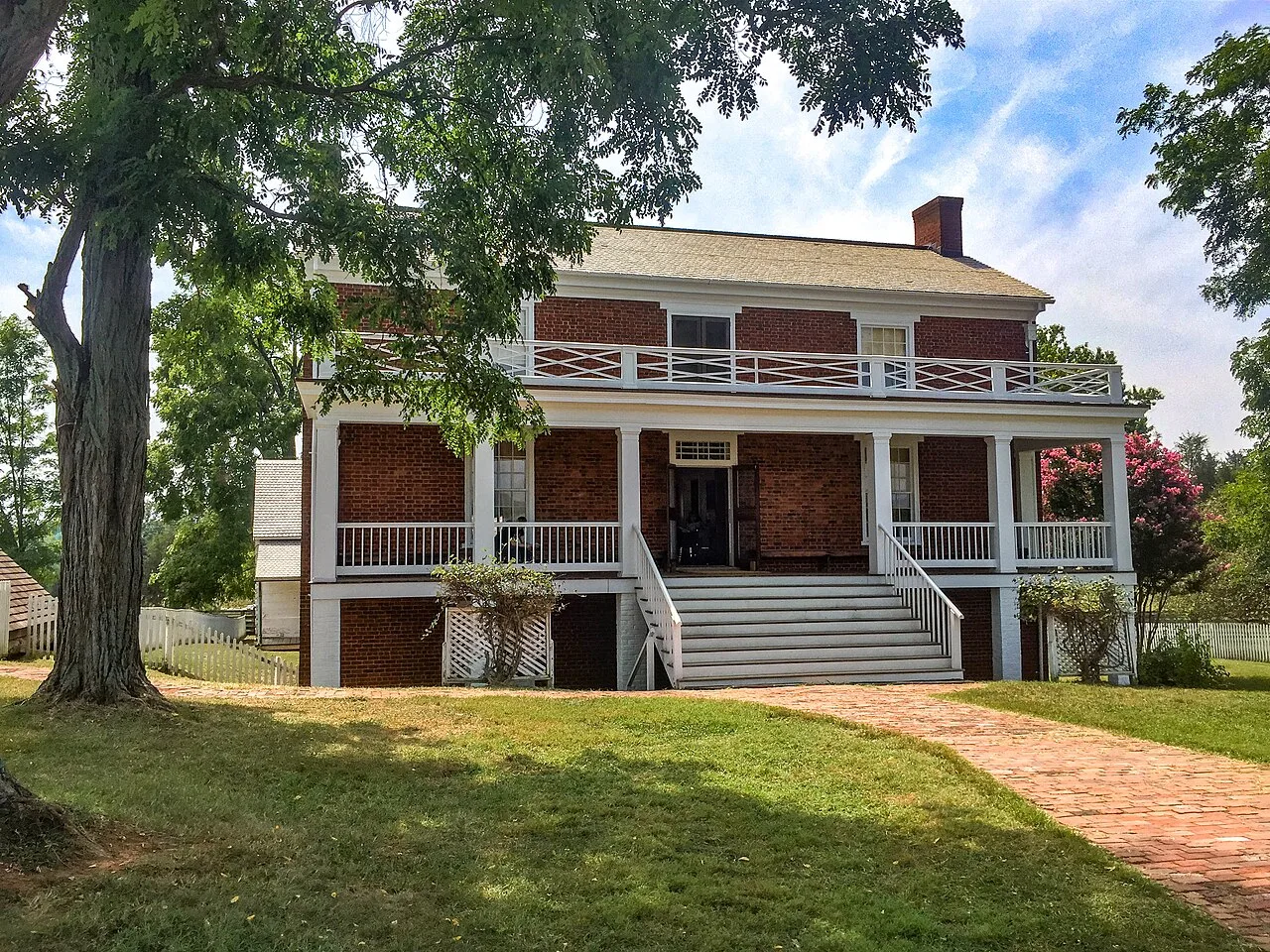
Photograph · source and license
The image, credit, reuse license, editorial context and delivered file are recorded in the exact Sites editorial review. This review is separate from the article’s canonical CIE assessment.
Image and publication standards →At a glance
- Appomattox Court House names a village as well as a historic park.
- The surrender meeting occurred in the McLean home.
- An event location and a reconstructed visitor setting need separate labels.
In this story
Start with the actual setting
The National Park Service’s Appomattox FAQ places the surrender meeting in a private McLean family home in the village of Appomattox Court House. The park’s McLean House account dates the meeting to April 9, 1865.
The word courthouse in the place name can make this easy to misremember; it is not evidence that the commanders met inside the county courthouse.
That distinction matters whenever a map, caption or classroom project identifies the event. A reader should be able to tell whether the reference means a settlement, a public building or a particular room.
Separate the historical event from its presentation
The park also documents the McLean House’s later dismantling and reconstruction, with public opening in 1949. A present photograph therefore needs more context than a label suggesting every visible part survived untouched from 1865.
This does not remove the value of the place. It helps visitors ask a better question: what evidence guided the representation they are seeing?
A reconstructed setting, a surviving structure and an original object can each teach something, but they have different relationships to the historical event.
Use a three-part place note
When studying a regional site, record the historical location, the event date and the status of the material viewed. For Appomattox, a note might distinguish the village, the McLean meeting site and the later reconstructed house.
For another town, it might distinguish a former business address from the building that now occupies it.
Careful place language makes an account more useful to the next visitor. It also keeps a vivid scene from outrunning the evidence.
The most memorable room in a history lesson should be accurately located before a narrative fills it with people and actions.
Sources & verification
Park FAQ distinguishes the village name from the private home where the surrender meeting occurred.
Read the sourcePark account documents the April 9, 1865 meeting, dismantling and twentieth-century reconstruction; the reconstructed house opened in 1949.
Read the sourceThis article was written with AI assistance from the linked sources. No firsthand interview or visit is implied. Source dates and limits are identified in the reporting. Advertising does not determine editorial coverage. Request a correction or read our standards.
EVERY NEIGHBOR HAS A VOICE
Keep the conversation going.
Share experiences, ask questions and link evidence for factual claims. Comments here are saved for qualitative source and context review before publication. Comments are independent community discussion, not submissions to a government body.
Sign in to join · freeCommunity standards