Feature People · Virginia
Camilla Williams carried a Danville voice onto the opera stage—and into the classroom
Her career connects local musical beginnings, a major 1946 debut, civil-rights work and decades of teaching.
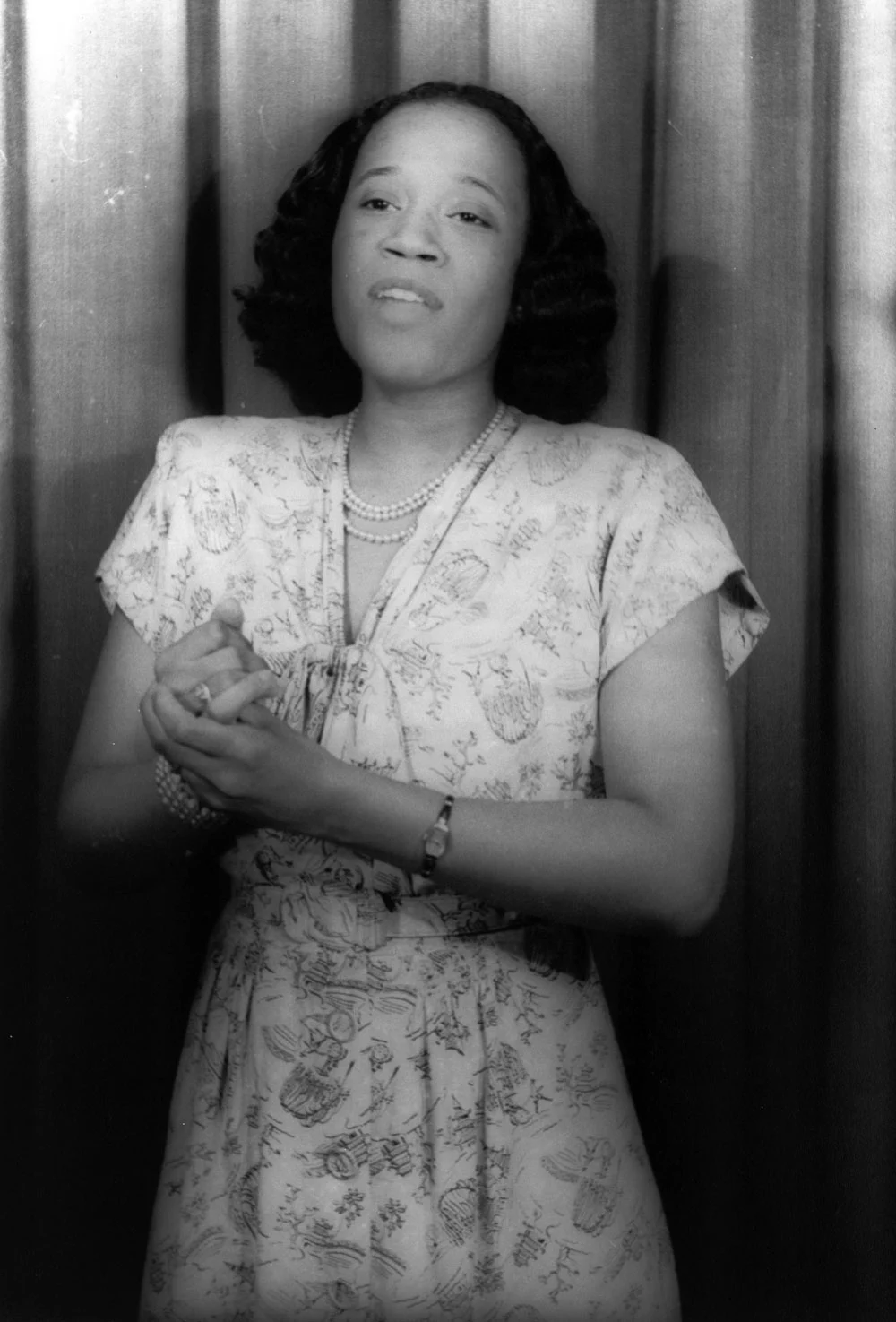
Image provenance · CIE 100/100
Assessment applies to the credited image record and its editorial context. Image delivery and the pictured event’s current status are not certified by a score. Receipt: 38ce45a4-2e41-4ac1-b4e8-a02bc513bd80
Image & publication standards →At a glance
- Williams was born in Danville in 1919.
- Her 1946 New York City Opera contract was a specific barrier-breaking milestone.
- Her papers and university teaching record preserve more than the famous debut.
In this story
Begin with the place, then hear the work
Danville belongs in the history of American opera because Camilla Williams belongs in it. Born there in 1919, the soprano grew up with music in her family and church before building a career that reached major stages abroad.
For readers around Gretna, her story offers a nearby starting point for hearing an art form that can sometimes seem to belong somewhere else.
Indiana University’s account describes childhood piano, church singing and lessons that introduced her to classical repertoire. She graduated from Virginia State College in 1941, returned briefly to Danville to teach, then pursued further vocal study in Philadelphia.
Those beginnings matter: the famous debut came after education, practice and people willing to recognize a young musician’s ability.
What happened in 1946
Williams made her New York City Opera debut in the title role of Puccini’s Madama Butterfly in 1946. Indiana University identifies that engagement as the first regular contract for a Black woman with a major American opera company.
That specific institutional milestone is more accurate than implying no Black woman had sung opera before her.
The distinction helps preserve the scale of the achievement. A contract meant a place within an organization’s professional work.
Williams went on to other roles and international performances rather than remaining a name attached to a single historic evening. IU’s library exhibition traces both her concert career and the spirituals she included in recital programs.
A voice used beyond the opera house
Amistad Research Center’s account follows Williams through recordings and tours, including cultural work under the auspices of the U.S. State Department.
It notes her participation in the first complete recording of Porgy and Bess and describes recital selections that included complex arrangements of spirituals and Black folk songs.
Her connection to home also had a public purpose. IU records a 1963 Danville concert to raise money for jailed civil-rights demonstrators, as well as her singing at the March on Washington.
Those episodes put artistic achievement beside civic action. The career was international, but its responsibilities and relationships did not stop at the city limits of a distant stage.
Teaching was a substantial second act
In 1977, Williams joined Indiana University as its first Black voice faculty member. She taught there until retiring in 1997, according to the university library.
Twenty years in a teaching studio is a substantial chapter in its own right, with work that continues through other people’s performances.
It is useful to read her story with both kinds of labor in view: the public performance and the patient work of helping another singer develop. The library’s exhibition and reading list make that wider career accessible without reducing it to a string of firsts.
Williams died in 2012, but the institutional record retains the teacher alongside the celebrated soprano.
Follow the evidence into the music
Amistad received Williams’s papers from her in 1975. Its collection description identifies correspondence, photographs, programs, scrapbooks and memorabilia, with much of the material dating from 1944 through 1975.
These are routes into specific performances and professional relationships, rather than invitations to invent private scenes.
For an evening’s exploration, start with the university’s short account, then follow its references to recordings and her autobiography. Read the title of a work, find its credited performance and listen.
The reward is hearing a person from this region as an artist with range, choices and a lasting professional life. A student does not need to copy her repertoire to learn from that record: follow the preparation, the professional relationships and the commitment to other musicians.
Cultural & community review
Assessment passed This recorded version passed its cultural and community assessment.
- Reviews the cultural and community context of this editorial item.
- Source, rights and publisher checks remain separate.
- It does not score people or certify every fact.
Read the assessment record & limits
- This record applies to the identified content revision. Later changes require another assessment.
- Asset
- gj:article:camilla-williams-danville-voice-and-legacy
- Engine
- ct.algorithm.cie.v1 · 1.0.1
- Receipt
- 087fda28-6f73-4a65-88f9-6f4c3e4e4b4e
- Assessed
- Revision
- sha256-b7588ed8d2950e0197a7d78a3e897a13faf1c0e69ba903bfc462ba562359544d
- Record state
- eligible · PASS
- Binding
- BOUND
Sources & verification
IU Newsroom feature dated 2020; checked September 7, 2026 at 10:22 a.m. EDT. Early education, precise opera-contract milestone and civil-rights performances.
Read the sourcePublished April 6, 2017; checked September 7, 2026 at 10:22 a.m. EDT. University teaching record, retirement, performance context and reading list.
Read the sourcePublication date not displayed; checked September 7, 2026 at 10:22 a.m. EDT. Collection acquired from Williams in 1975; archival contents, recordings and cultural tours. AI-assisted historical feature; no interviews, original archival inspection or recording rights claimed.
Read the sourceThis article was written with AI assistance from the linked sources. No firsthand interview or visit is implied. Source dates and limits are identified in the reporting. Advertising does not determine editorial coverage. Request a correction or read our standards.
EVERY NEIGHBOR HAS A VOICE
Keep the conversation going.
Share experiences, ask questions and link evidence for factual claims. Automated checks assess each version; posts that pass publish immediately with their CIE score and reasons. Comments are independent community discussion, not submissions to a government body.
Sign in to join · freeCommunity standards