Explainer Food · Virginia
What would make locally grown indoor greens useful to a community kitchen?
A planning outlook that begins with the plate, not the equipment.
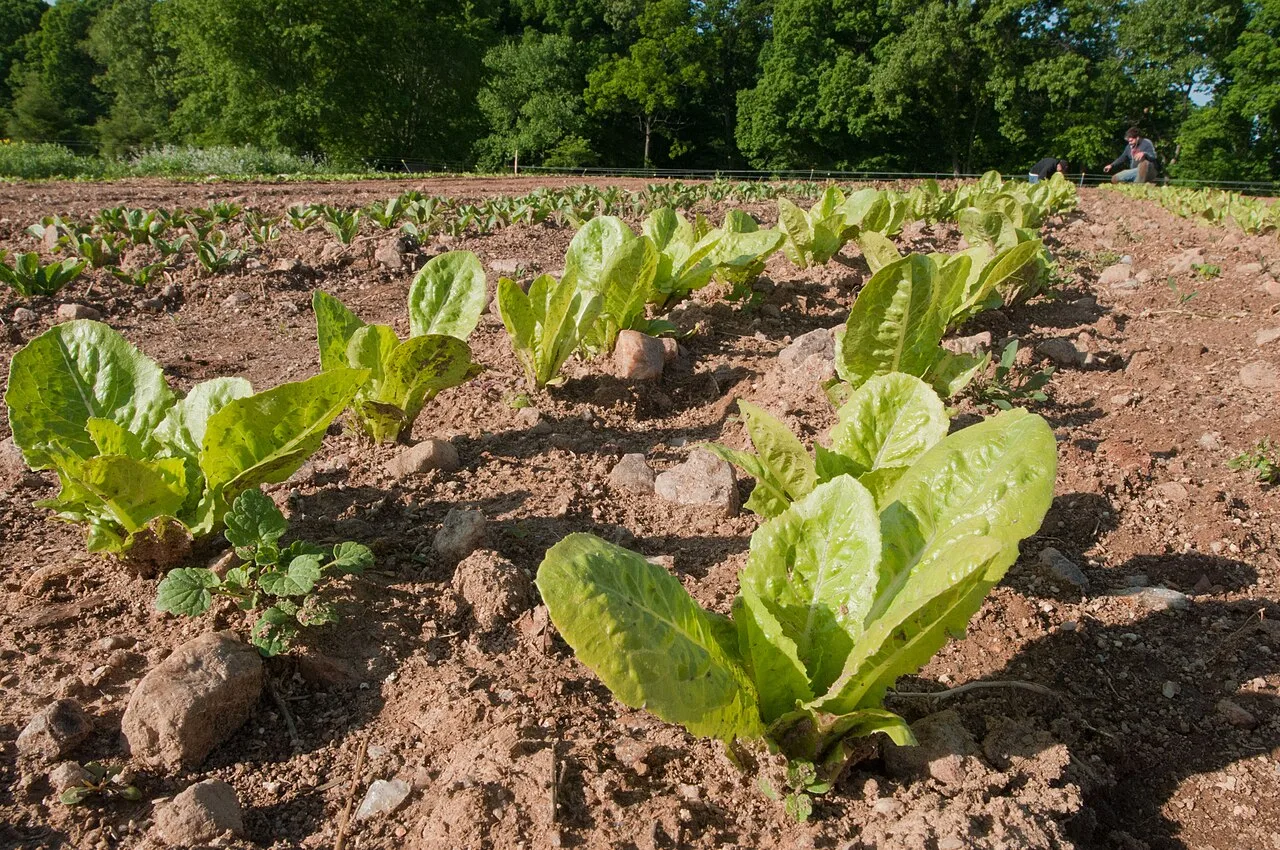
Image provenance · CIE 100/100
Assessment applies to the credited image record and its editorial context. Image delivery and the pictured event’s current status are not certified by a score. Receipt: e9519c46-3055-421d-b320-b83543d61d4f
Image & publication standards →In this story
Research is a starting point
IALR and Virginia Tech announced their Controlled Environment Agriculture Innovation Center in 2020. A March 2026 IALR account describes continuing regional agricultural collaboration, including a visit from Piedmont Community College.
These are concrete signs of learning and cooperation around growing systems. They do not establish that a particular community kitchen has a new supplier.
This outlook asks how a future local-food partnership could be tested from the kitchen’s perspective, with the actual eater and the people preparing the meal in view.
Begin with a dish people want
A kitchen considering new greens could first identify a familiar meal where the product has a clear purpose. Is it served raw, cooked or as one part of a larger dish?
Ask the grower what they can consistently provide and the kitchen what it can realistically store and prepare. A crop’s appearance in a demonstration does not prove acceptance by diners.
A small, permission-based tasting with clear ingredient information can produce useful feedback without claiming that a handful of responses represents the whole community.
Measure usefulness beyond harvest weight
A trial should record the quantity received, usable yield, preparation time and amount actually served. Include delivery reliability and packaging that the kitchen can handle.
Those measures can explain why two apparently similar products create different workloads. Avoid promising that an indoor crop will automatically be cheaper, healthier or more sustainable than every outdoor alternative.
Such claims need evidence matched to the actual production and distribution system. A practical partnership can value different growers for different needs instead of forcing one model to answer every food question.
Write down the decision
After a trial, identify what worked, what failed and what would need to change before a regular order. If no agreement results, the learning still has value.
A public update should clearly label a proposal, a pilot and an established supply relationship. This distinction helps residents recognize real progress without being sold a premature success story.
The future of local food can include new technology while remaining accountable to ordinary tests: does the product fit the meal, can the kitchen use it, and can the arrangement keep serving people reliably?
Cultural & community review
Assessment passed This recorded version passed its cultural and community assessment.
- Reviews the cultural and community context of this editorial item.
- Source, rights and publisher checks remain separate.
- It does not score people or certify every fact.
Read the assessment record & limits
- This record applies to the identified content revision. Later changes require another assessment.
- Asset
- gj:article:gj26-future-local-greens-kitchen-test
- Engine
- ct.algorithm.cie.v1 · 1.0.1
- Receipt
- aae8bb6e-6d63-478f-a242-4738584e3c8e
- Assessed
- Revision
- sha256-69d004263b825563764e03aab72ededc020d13eb04fc1f21e2df35ad864e443e
- Record state
- eligible · PASS
- Binding
- BOUND
Sources & verification
Documented 2020 creation of the Danville research partnership.
Read the sourceMarch 2026 regional agricultural exchange and educational collaboration.
Read the sourceThis article was written with AI assistance from the linked sources. No firsthand interview or visit is implied. Source dates and limits are identified in the reporting. Advertising does not determine editorial coverage. Request a correction or read our standards.
EVERY NEIGHBOR HAS A VOICE
Keep the conversation going.
Share experiences, ask questions and link evidence for factual claims. Automated checks assess each version; posts that pass publish immediately with their CIE score and reasons. Comments are independent community discussion, not submissions to a government body.
Sign in to join · freeCommunity standards